albertshenjunjie@gmail.com
+85257163675

Industry News & Insights
Stay updated with the latest advancements in high-precision bearing manufacturing, engineering solutions, and global market trends.
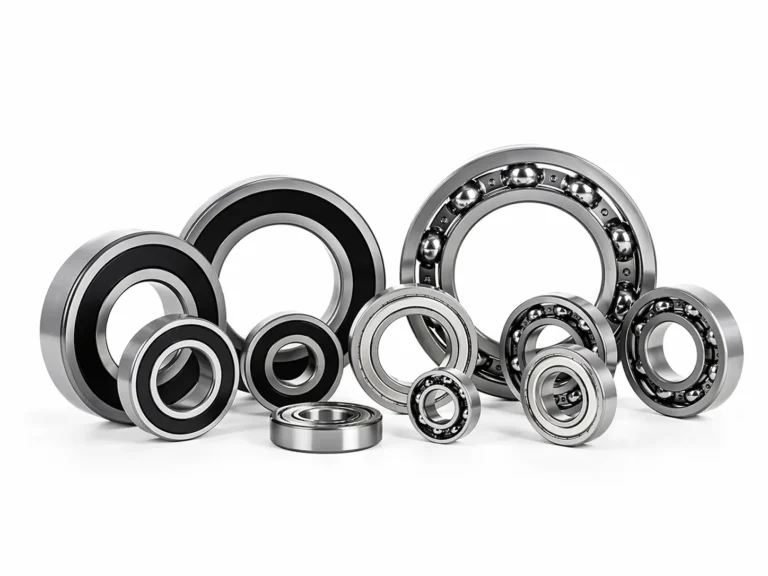
How to Choose a Reliable Bearing Manufacturer for OEM and Industrial Projects
Choosing a reliable bearing manufacturer for OEM and industrial programs means managing risk, not just buying parts. The right supplier offers traceable quality, engineering support, stable capacity, validation, and clear terms across global and China bearing factory options. Video Guide: This 8-step selection framework helps you translate application requirements into bearing type, load, life, and […]
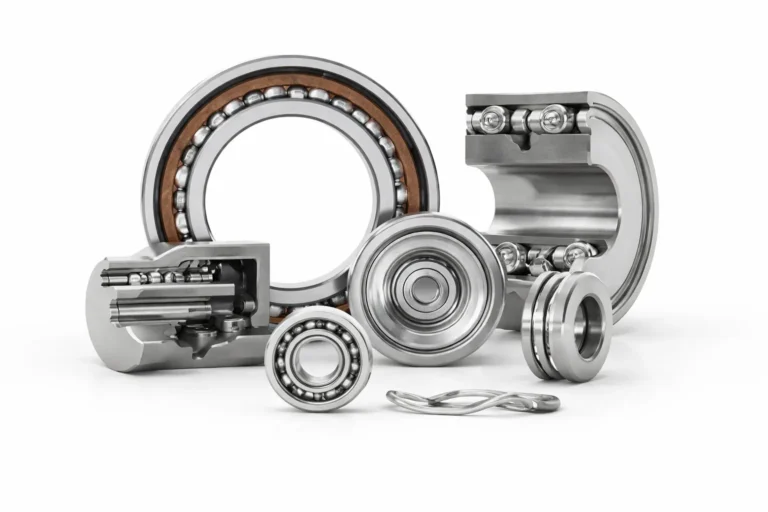
How to Judge Bearing Quality Before You Buy
Full ceramic bearings use ceramic rings and rolling elements, typically silicon nitride or zirconia, for harsh environments. They offer corrosion resistance, electrical insulation, and high-temperature capability, but cost more and may be brittle under shock loads. Video Guide: This overview explains what ceramic bearings are, where they help most, and common misconceptions to avoid during […]
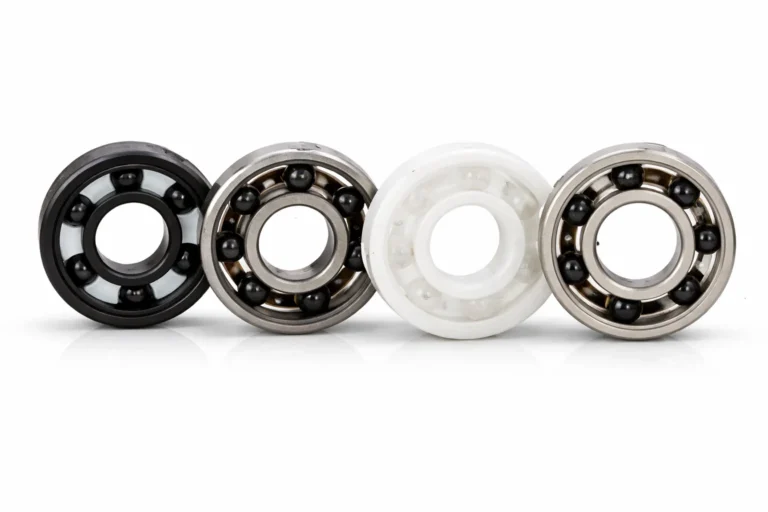
What Are Full Ceramic Bearings? Properties, Uses, and Limitations
Full ceramic bearings use ceramic rings and rolling elements, often silicon nitride or zirconia, for corrosion resistance, electrical insulation, and high-temperature use. They suit harsh environments but may be brittle under shock loads and cost more. Video Guide: This overview explains what ceramic bearings are, where they help most, and common misconceptions to avoid during […]
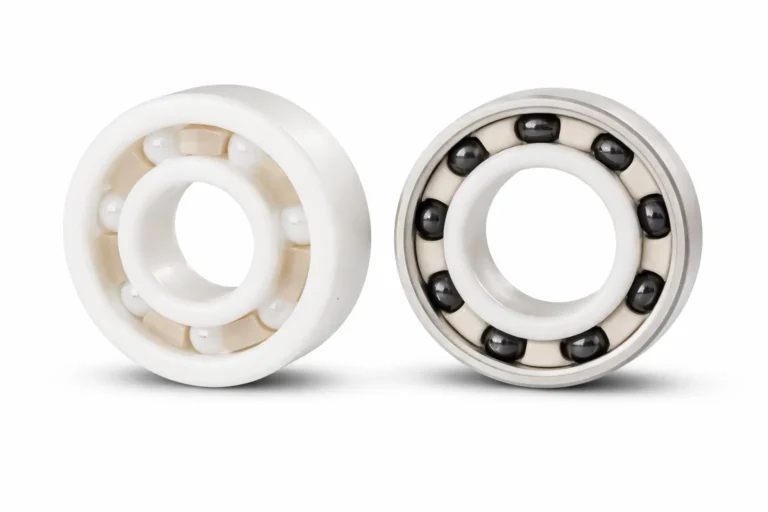
Full Ceramic Bearings vs. Hybrid Ceramic Bearings: Which Should You Use?
Choosing full ceramic bearings vs hybrid ceramic bearings depends on speed, environment, and risk. Full ceramic suits corrosion, insulation, and non-magnetic needs; hybrids offer better load tolerance and cost efficiency. This guide compares silicon nitride and zirconia applications. Video Guide: A practical overview comparing steel, hybrid ceramic, and full ceramic bearings to help frame the […]
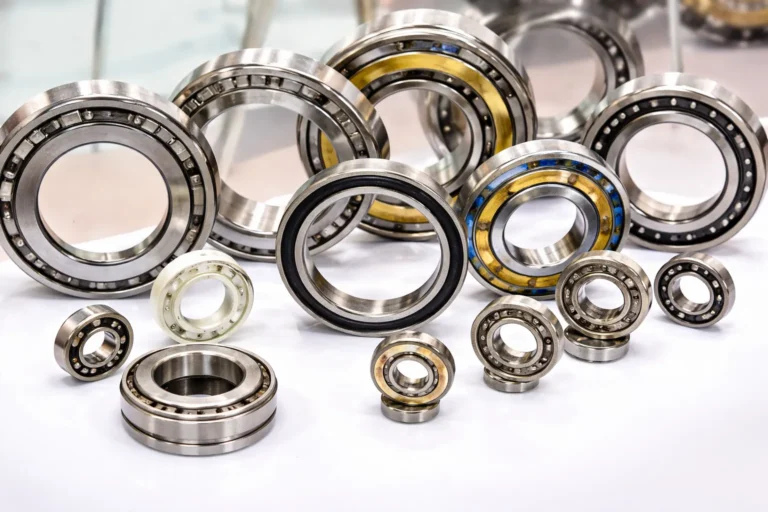
Stainless Steel Bearings: Benefits, Limitations, and Best Applications
Choosing 440C, 304, or 316 stainless steel bearings depends on hardness, load capacity, and corrosion resistance. 440C suits higher wear and load, 316 fits marine, washdown, and chemical environments, while 304 offers a balanced, cost-effective option. 440C vs 304 vs 316 Stainless Steel Bearings: What’s the Difference? 440C vs 304 vs 316 stainless steel bearings […]
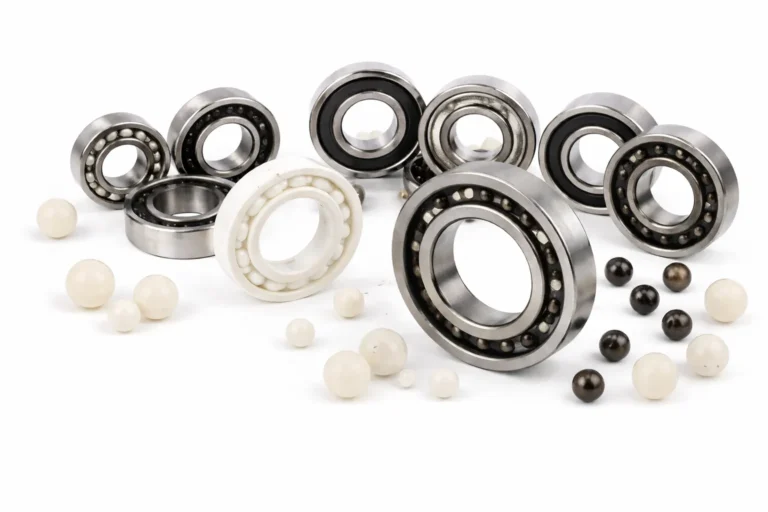
440C vs. 304 vs. 316 Stainless Steel Bearings: Which Grade Is Best?
Choosing 440C, 304, or 316 stainless steel bearings depends on hardness, load, and corrosion needs. 440C offers higher hardness and load capacity, 316 suits marine, washdown, and chemical environments, while 304 balances cost and corrosion resistance. 440C vs 304 vs 316 Stainless Steel Bearings: Which Material Is Best? 440C vs 304 vs 316 stainless steel […]
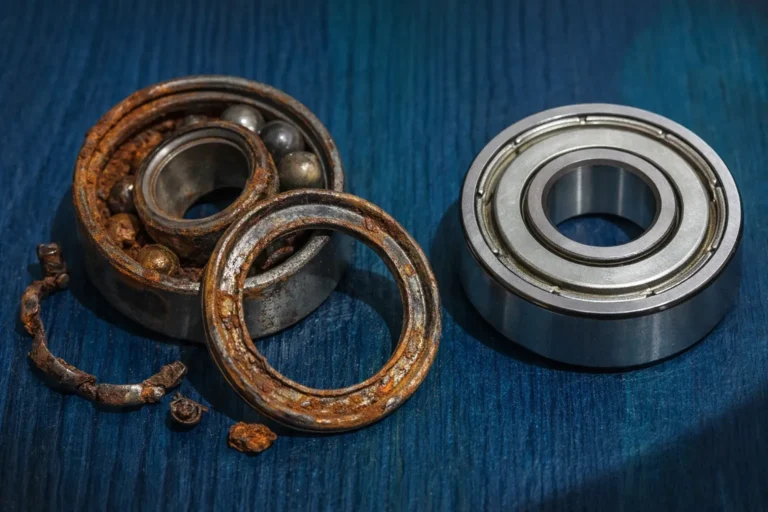
Bearing Failure Analysis: The 10 Most Common Causes and How to Prevent Them
Bearing failure analysis helps identify root causes like contamination, lubrication breakdown, misalignment, overload, and poor installation. This guide explains common bearing failures, including overheating, spalling, and wear, with practical steps to prevent premature failure. What causes bearing failure, and how can it be analyzed, prevented, and troubleshot in industrial applications? Bearing failure analysis is a […]
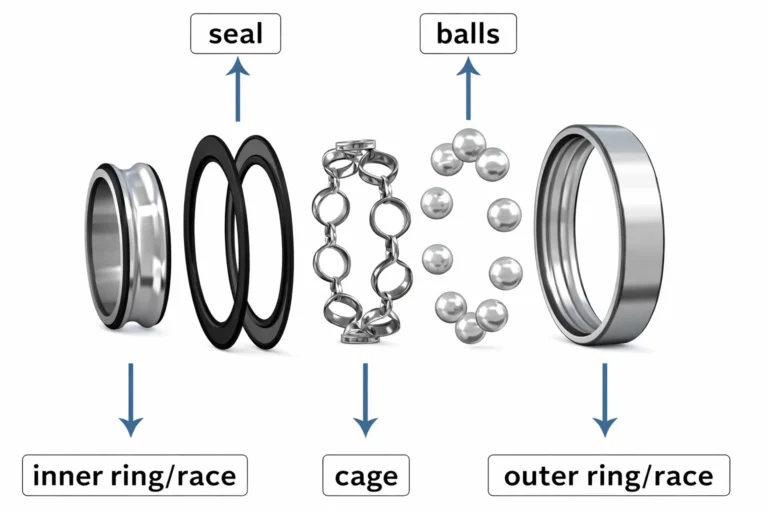
How to Choose the Right Bearing Material: Steel vs. Stainless Steel vs. Ceramic
Choosing bearing material means balancing load, corrosion, speed, temperature, and total cost. Steel offers strength and value, stainless steel improves corrosion resistance, and ceramic hybrids support higher speed and chemical resistance at a premium. What is bearing material selection? Bearing material selection is the process of matching bearing ring/ball materials to your operating conditions—load, speed, […]
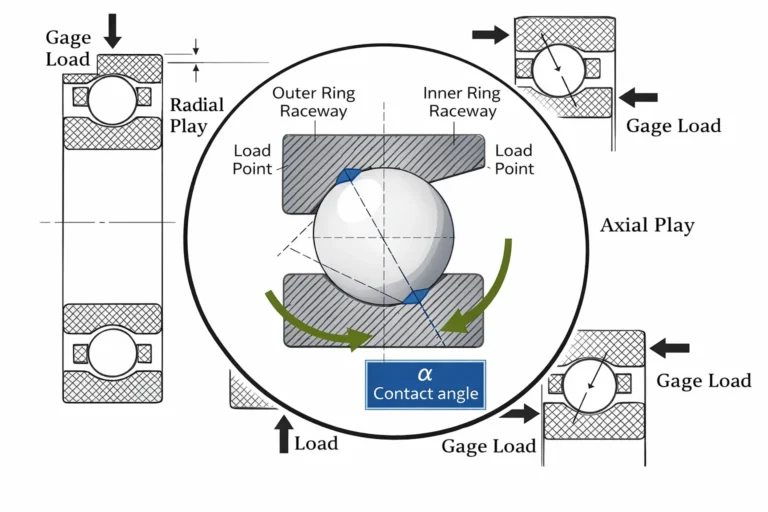
How Bearing Clearance Affects Performance: Radial Play, Axial Play, and Precision
Bearing clearance is the internal gap that helps a bearing run smoothly under load, temperature changes, and mounting fits. Too little clearance increases heat and friction; too much causes vibration and accuracy loss. Choose the right radial/axial play for reliable performance. What is bearing clearance? Bearing clearance is the internal looseness between rolling elements and […]
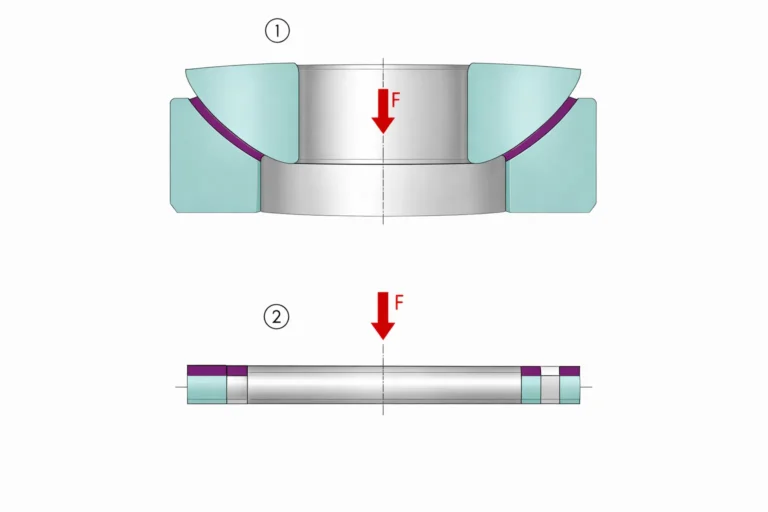
Bearing Load Capacity Explained: What Buyers Need to Know Before Ordering
Bearing load capacity shows whether a bearing can handle real forces without early fatigue or failure. Buyers should understand static/dynamic ratings, equivalent load, speed, misalignment, lubrication, and mounting quality to turn catalog data into safe specifications. What is bearing load capacity? Bearing load capacity is the maximum load a bearing can support under defined conditions […]