albertshenjunjie@gmail.com
+85257163675

Industry News & Insights
Stay updated with the latest advancements in high-precision bearing manufacturing, engineering solutions, and global market trends.
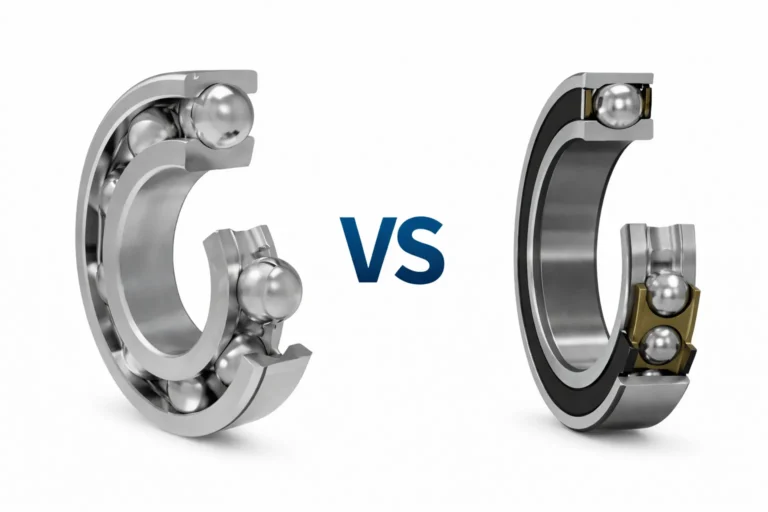
Deep Groove Ball Bearings vs. Angular Contact Bearings: Which One Should You Choose?
Selecting between deep groove ball bearings and angular contact bearings comes down to load direction, required rigidity, speed, and mounting constraints. Deep groove designs excel as a versatile bearing for radial load and moderate axial load, while angular contact types are purpose-built as a bearing for combined load at higher axial capacity and stiffness. This […]
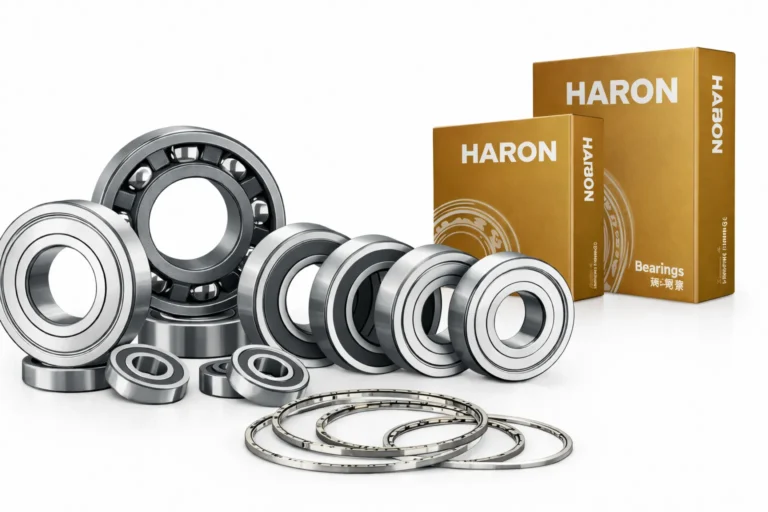
Deep groove ball bearings: what are they and what are they used for?
Deep groove ball bearings are the most widely used rolling bearings because they balance versatility, efficiency, and cost. They support primarily radial loads while also handling moderate axial loads in both directions, making them a go-to choice for motors, pumps, gearboxes, fans, and general machinery. Below is a practical, application-focused guide from Haron Bearing to […]
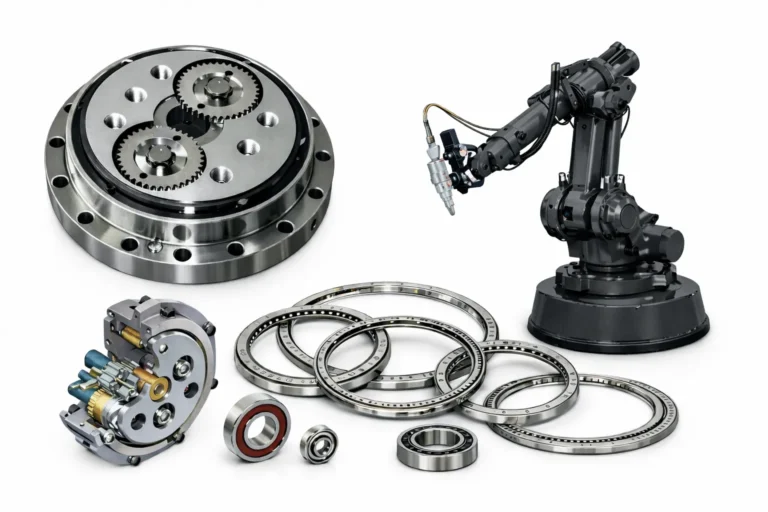
What is a bearing in robotics?
Bearings are the quiet enablers behind smooth, accurate robot motion. In robotics, a bearing supports a rotating or sliding part (like a wheel, joint, or arm shaft) while reducing friction, controlling play, and carrying loads. Choosing the right bearing improves efficiency, repeatability, speed, and component life—especially in compact, high-cycle automation. Video Guide: This overview shows […]
What Are Bushings?
Bushings are simple yet critical components that reduce friction, control movement, and isolate vibration between two mating parts. You’ll find bushings in vehicles (suspension and steering), industrial machinery, pumps, and tools—anywhere a shaft, pin, or joint needs guided motion with controlled noise and wear. Selecting the right bushing material and fit directly impacts lifespan, precision, […]
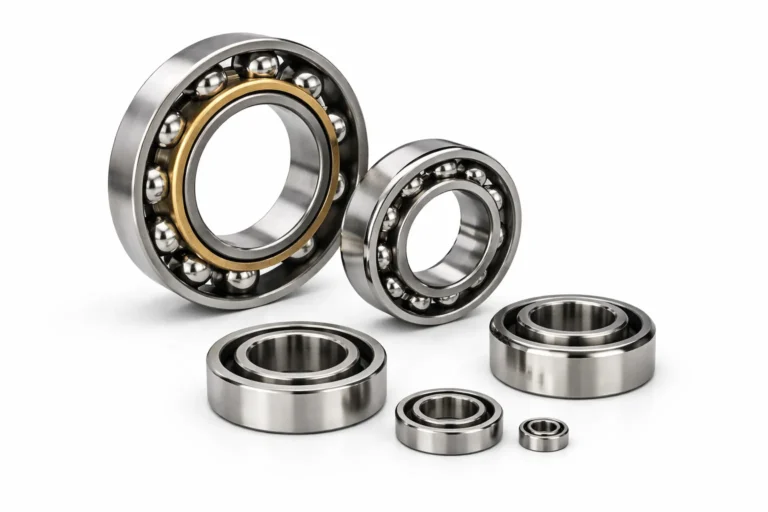
Angular Contact Ball Bearings: Types, Contact Angle, and When to Use Them
Angular contact ball bearings are designed to carry combined radial loads and axial loads by offsetting the ball-to-raceway contact line at a defined contact angle (typically 15°, 25°, or 40°). Use them when you need higher axial stiffness, controlled preload, and better speed/load balance than deep groove bearings—especially in machine tool spindles, pumps, and gearboxes. […]
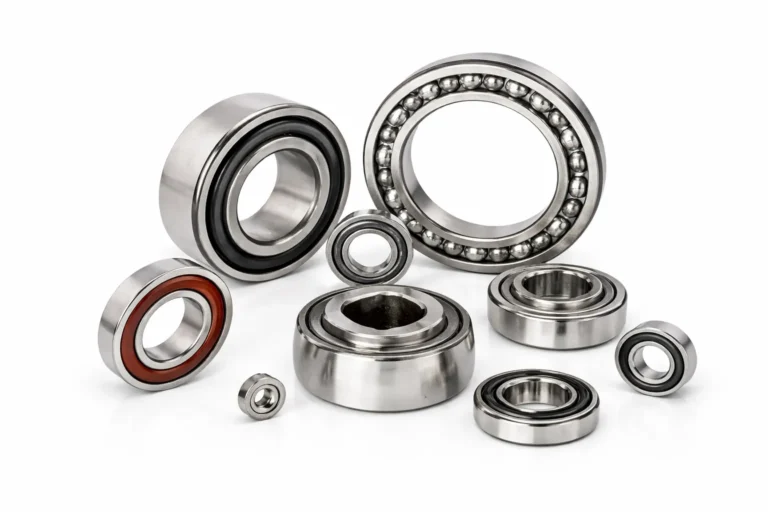
Deep Groove Ball Bearings: Structure, Benefits, and Common Applications
Deep groove ball bearings support high radial loads and moderate axial loads in both directions. Their simple structure offers low friction, quiet running, high speed, and easy sourcing for motors, pumps, and many industrial applications. What is Deep Groove Ball Bearings? Deep groove ball bearings are single-row radial ball bearings designed with deep raceway grooves […]
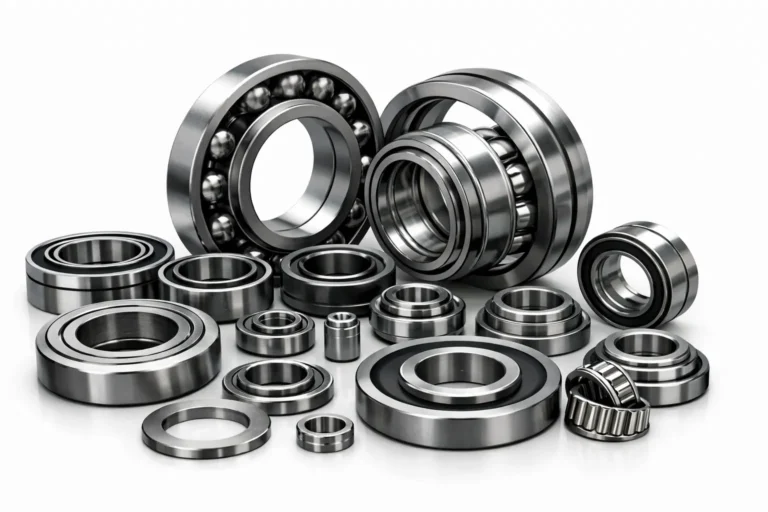
Types of Bearings: A Complete Guide for Industrial Buyers
Industrial bearings include rolling bearings and plain bearings (bushings). Rolling bearings (ball and roller) offer lower friction and higher speed, while plain bearings handle shock, contamination, and compact spaces. Selection depends on load, speed, alignment, lubrication, and application. What is Rolling Bearings? Rolling bearings use balls or rollers between inner and outer rings to support […]
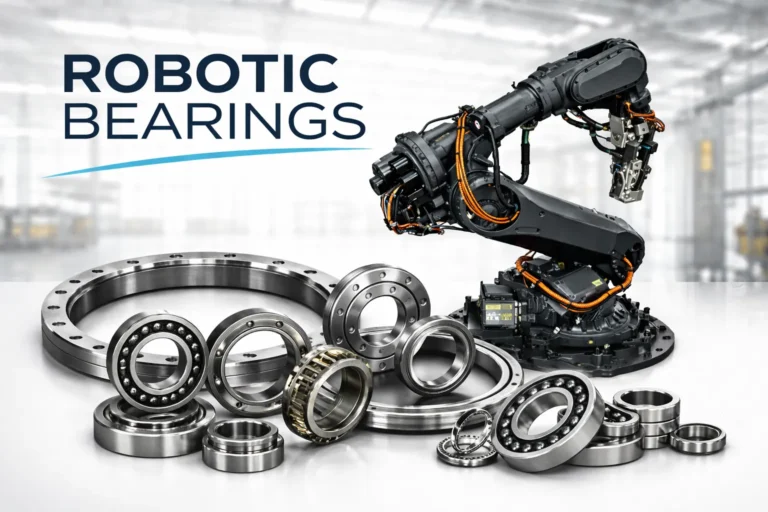
Future Trends in Robot Bearings: What Buyers Should Watch
Robot bearing trends are moving toward higher speed, precision, and safer human-adjacent use. Buyers should focus on lower friction, longer grease life, cleaner operation, and smarter monitoring to improve uptime, accuracy, and total cost of ownership. Video Guide: A practical overview of manufacturing-focused robotics trends that indirectly drive bearing requirements like precision, uptime, and maintainability. […]
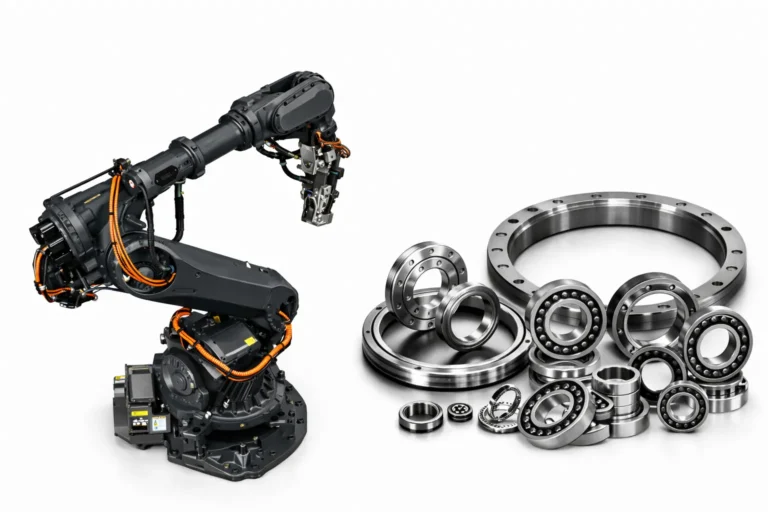
How to Choose a Robot Bearing Manufacturer
Choosing a robot bearing supplier is both a sourcing and risk-management decision. Evaluate engineering capability, quality systems, traceability, testing, lead times, and support to ensure application fit and reduce downtime. Video Guide: Use this structured, step-by-step selection method to translate your robot’s requirements into bearing specifications and supplier qualification criteria. What is robot bearing manufacturer […]
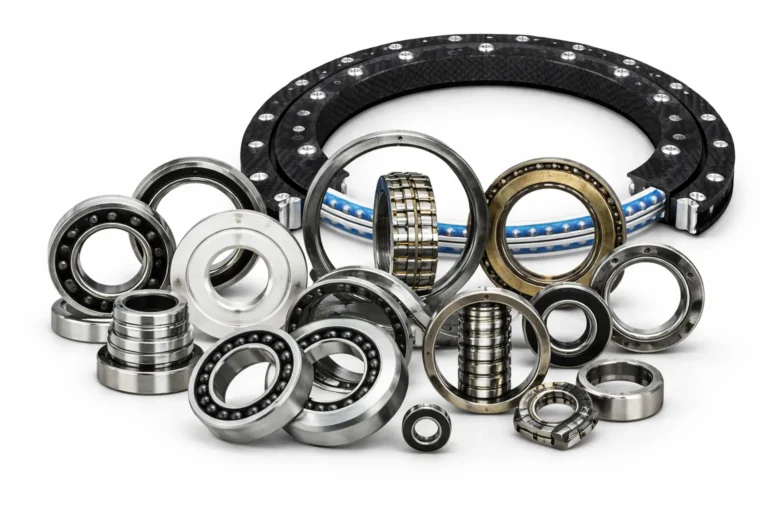
Custom Bearings for Robotics: When Standard Bearings Are Not Enough
Custom robotics bearings solve issues standard parts can’t, such as backlash, wear, noise, or integration limits. Haron can tailor geometry, materials, seals, lubrication, and preload to match compact joints, special loads, cleaning conditions, and accuracy needs. Video Guide: Use this overview to align bearing selection with robotics needs like repeatability, life, speed, and contamination control. […]