albertshenjunjie@gmail.com
+85257163675

Four Point Contact Ball Bearings Manufacturer
Compact precision bearing solutions for bidirectional axial load, limited radial load and space-saving rotating assemblies.
Haron Bearing manufactures four point contact ball bearings for compressors, pumps, gearboxes, reducers, rotary tables, robotics, automation equipment and precision machinery. Our factory supports QJ series bearings, thin section four point bearings, custom precision, axial clearance control, cage selection, material options, drawing review and OEM packaging for industrial projects.
Feature
Bidirectional Axial Load
Series
QJ Series Available
What Is a Four Point Contact Ball Bearing?
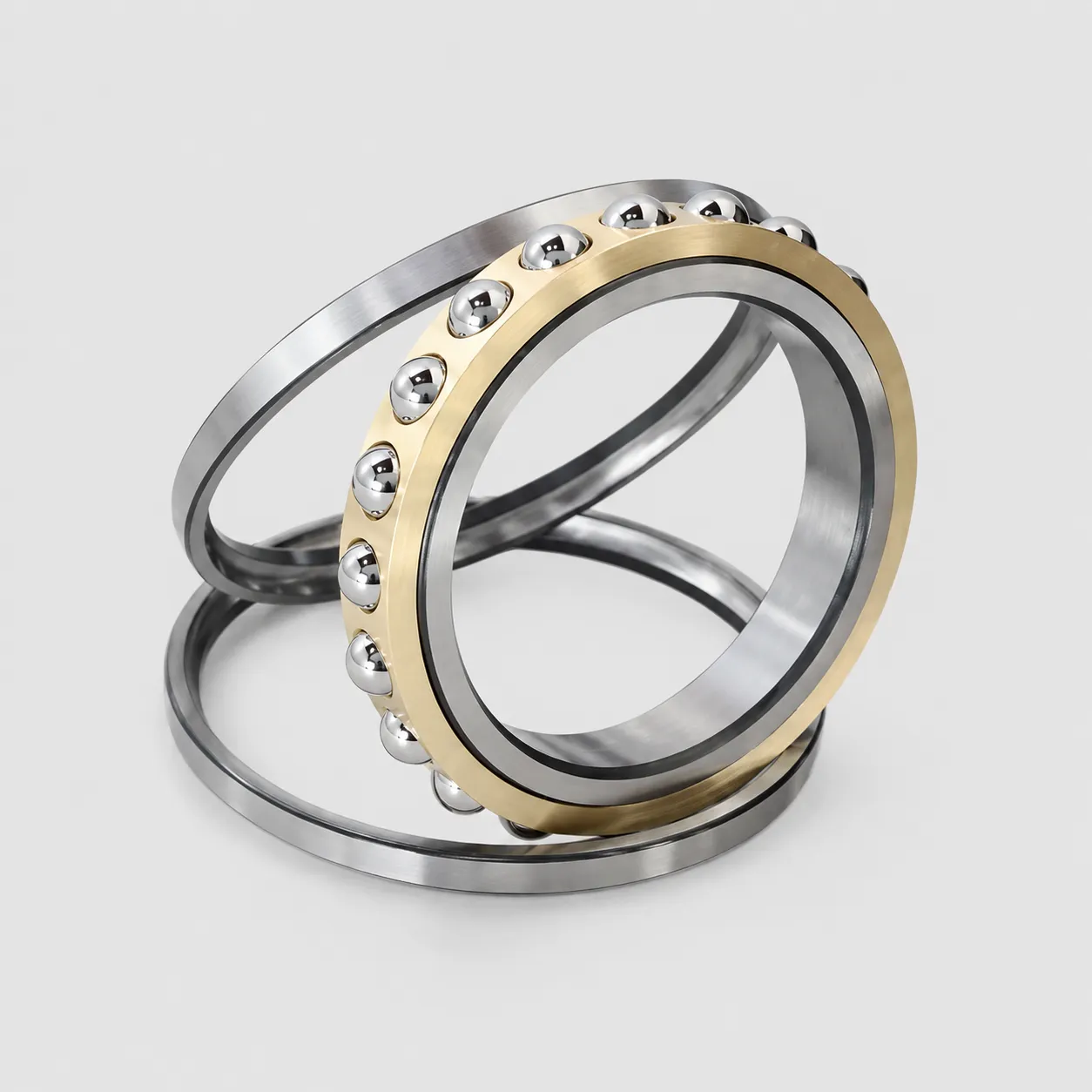
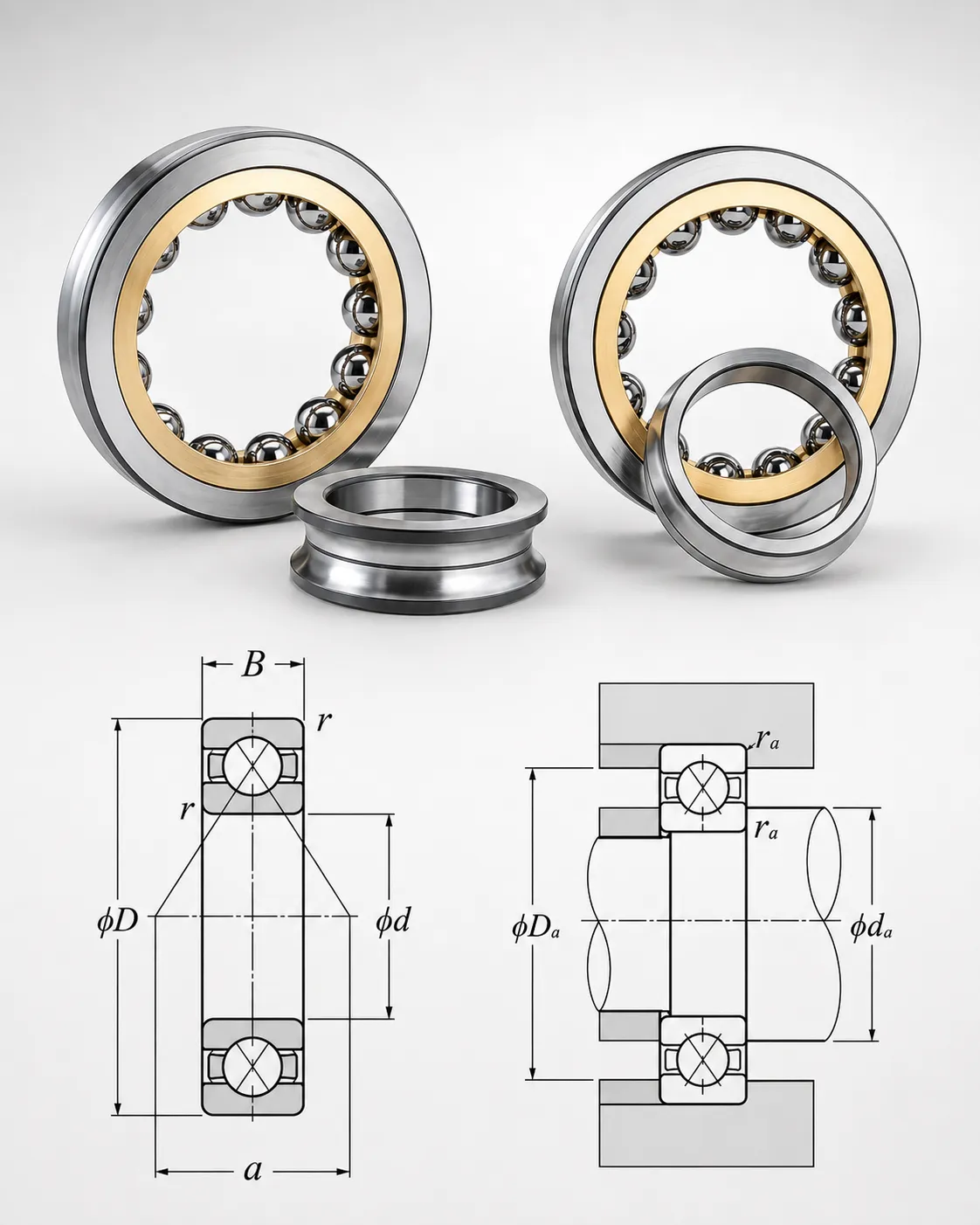
A four point contact ball bearing is a single row angular contact ball bearing designed to support axial load from both directions in a compact axial space. Its special raceway geometry allows the balls to contact the raceways at four possible contact points under axial loading.
Force Explanation
- Axial load: Force pushing along the shaft direction.
- Radial load: Force pushing from the side of the shaft.
- Four point contact: Bearing geometry allows load transmission through contact points on both sides of the raceway.
This helps one bearing support axial force from two directions, while taking up less axial space than a double row angular contact bearing. In many designs, a four point contact bearing is used mainly for axial positioning, while another radial bearing supports the main radial load.
Beginner Note: If your design has axial load from both directions and limited installation space, a four point contact ball bearing may be a better solution than two separate angular contact bearings. If the radial load is heavy, it should usually be combined with a separate radial bearing.
Factory Production Process: From Bearing Steel to Compact Axial Load Support
Haron Bearing controls key manufacturing and inspection steps to support stable quality for QJ series, four point contact bearings and custom OEM bearing projects.

Raw Material Inspection
Bearing steel, stainless steel or ceramic materials are checked before production. Material traceability helps support stable batch quality.
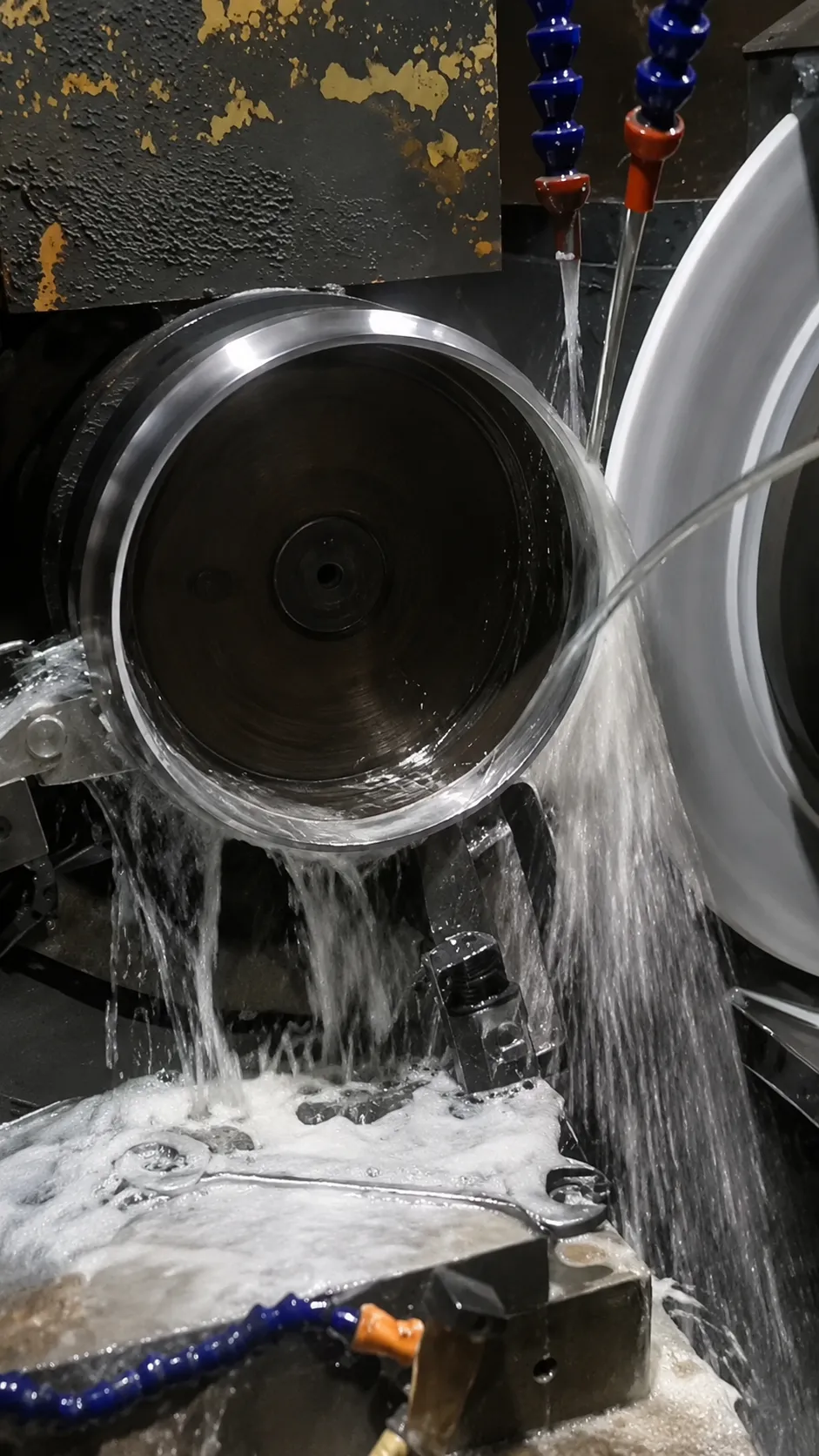
Ring Turning
Outer rings and split inner ring blanks are machined to prepare accurate geometry for grinding and assembly.
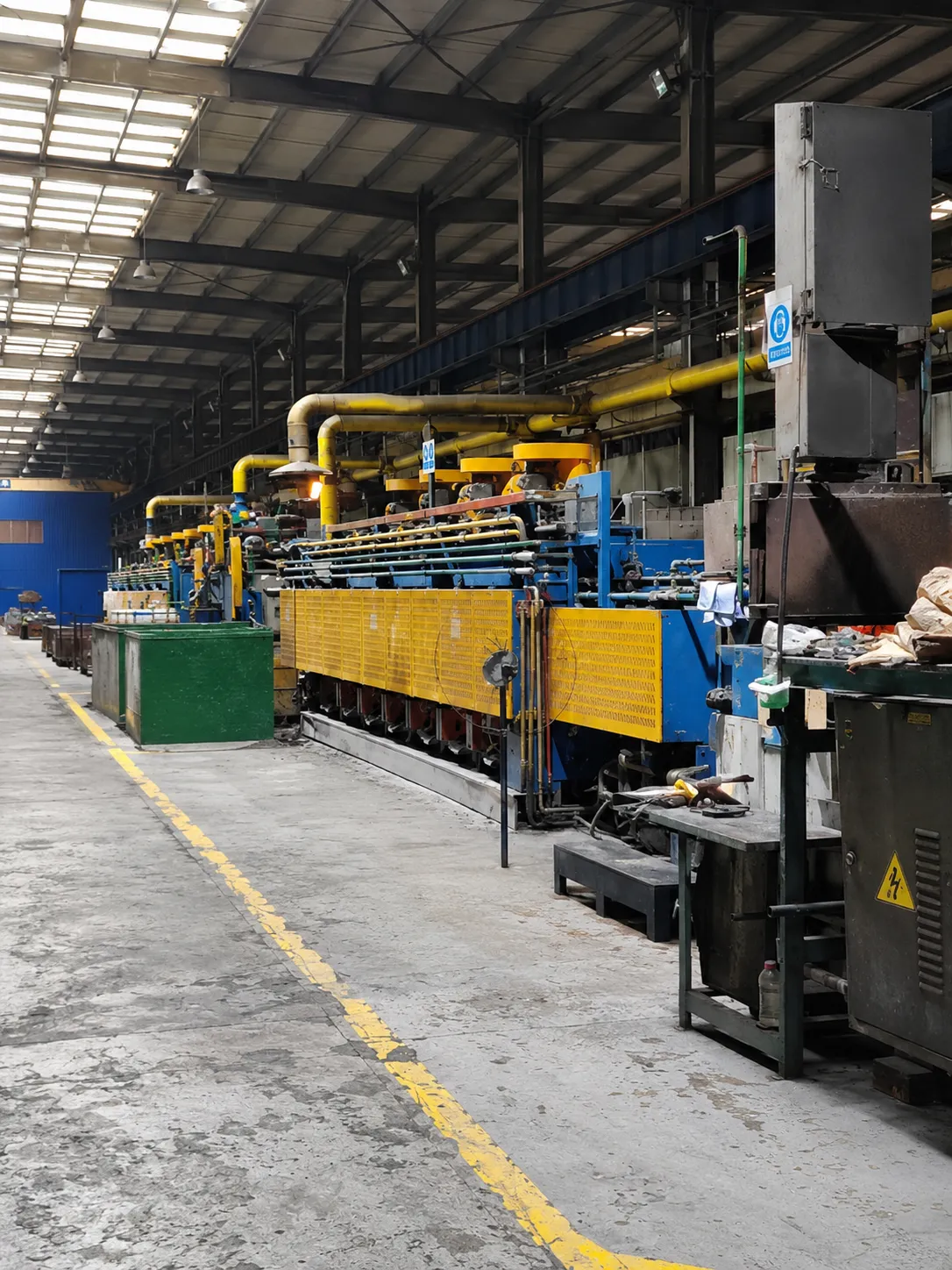
Heat Treatment
Controlled heat treatment improves hardness, wear resistance and dimensional stability.
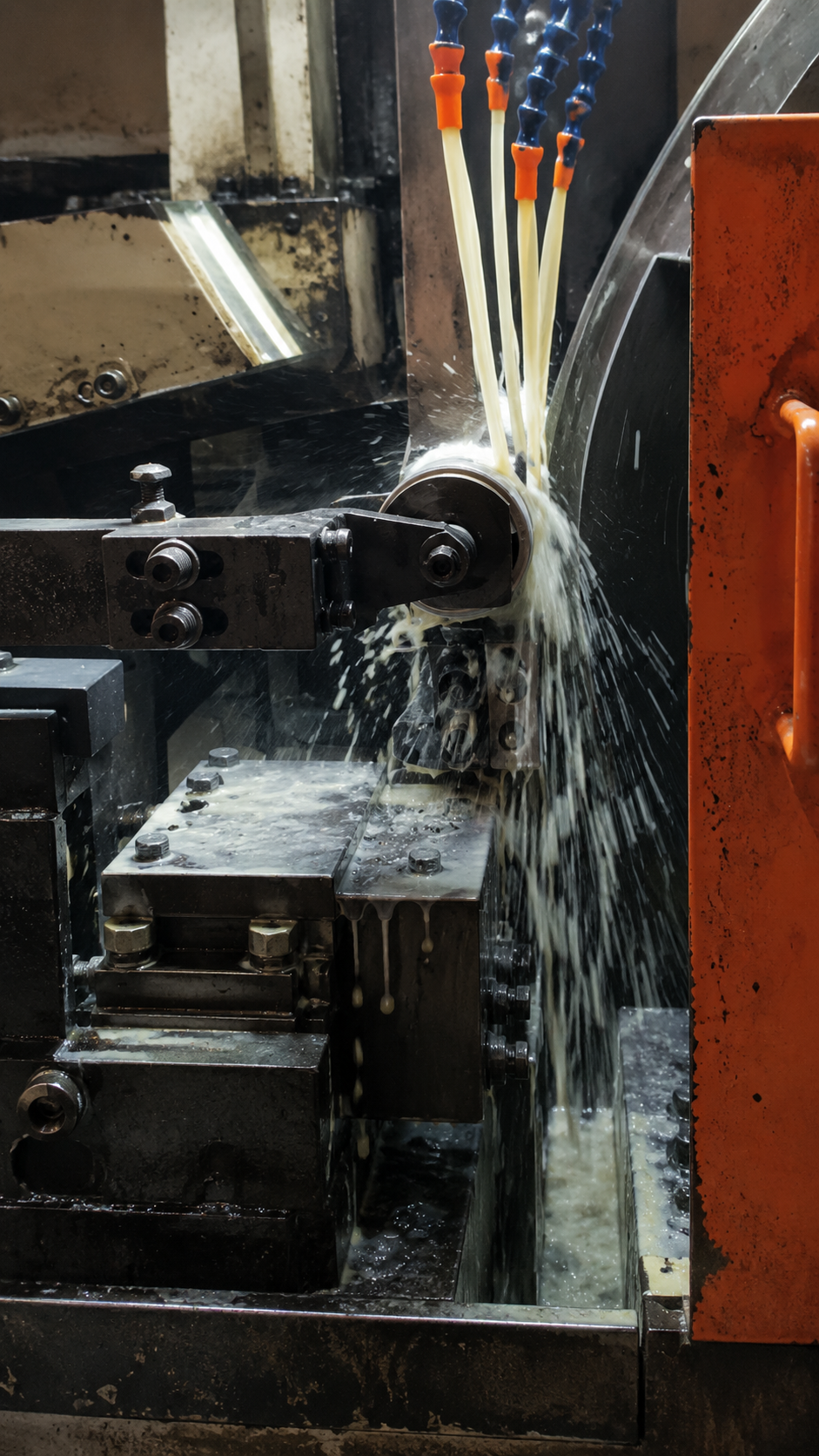
Raceway Grinding
Precision grinding controls the special raceway geometry that affects contact angle, axial clearance, noise, vibration and running accuracy.
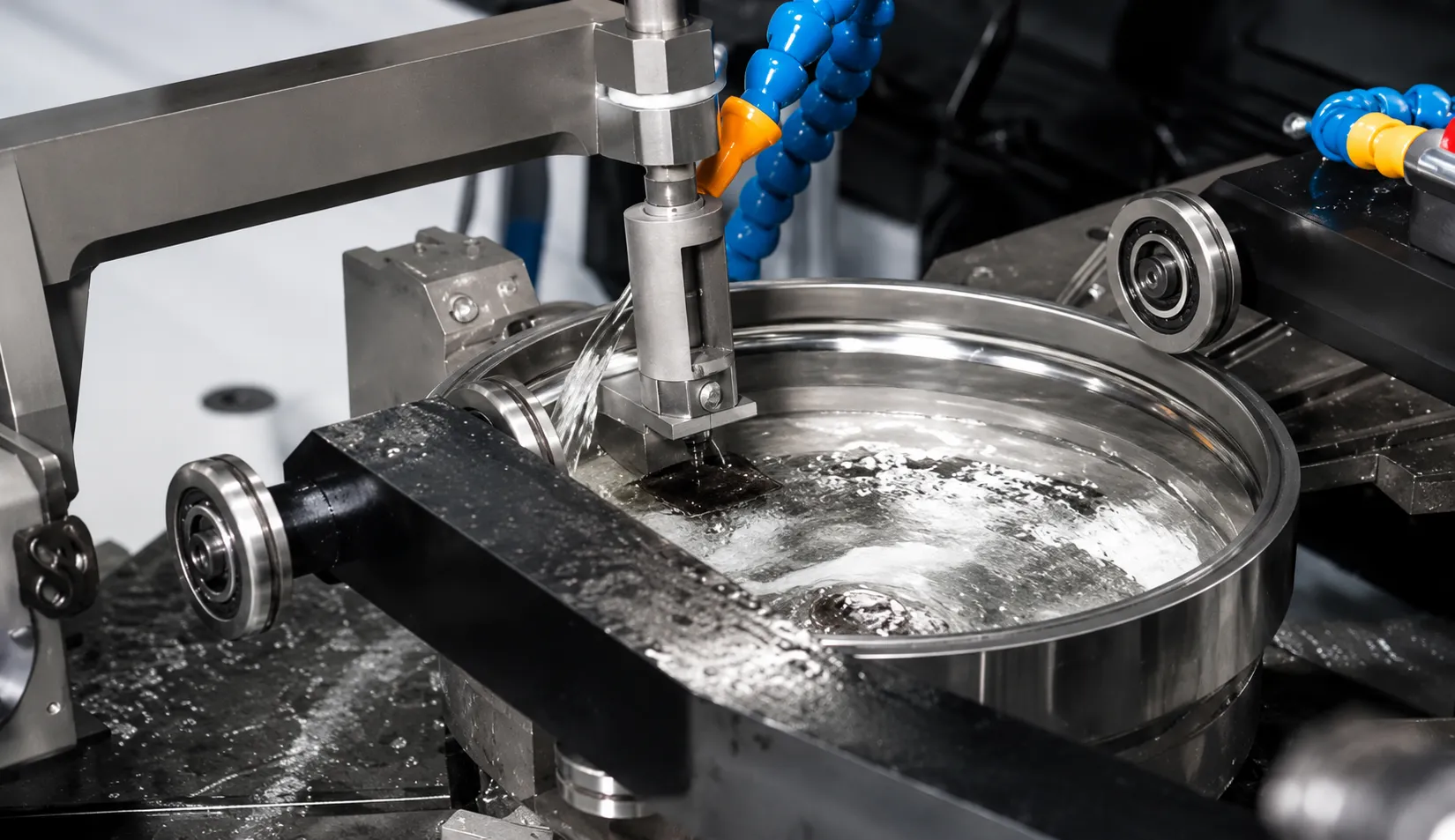
Superfinishing
Raceway surface finish is improved to reduce friction and support smoother contact under axial loading.
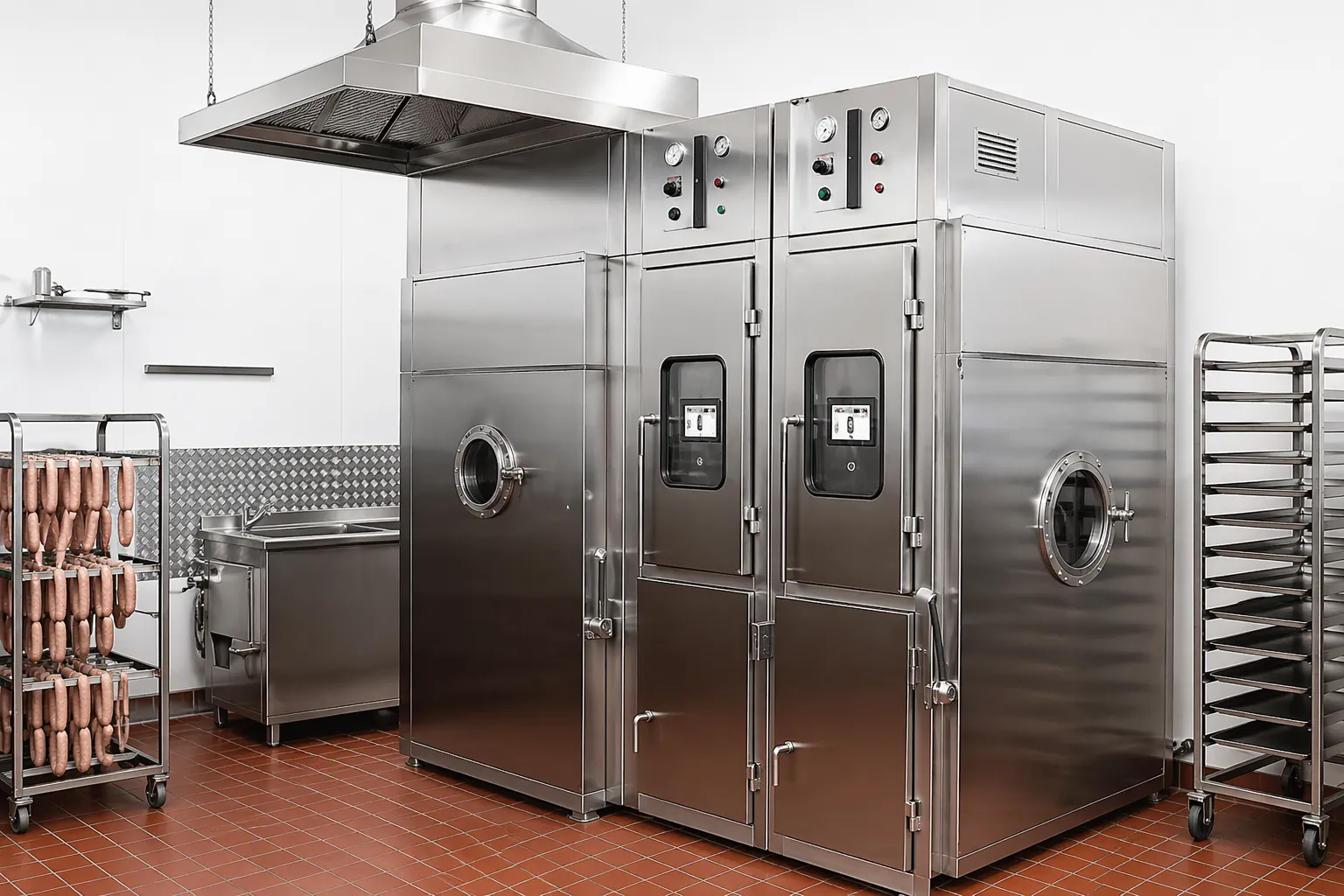
Cleaning & Assembly
Components are cleaned before assembly. Balls, cages, outer rings and split inner rings are assembled according to specification.
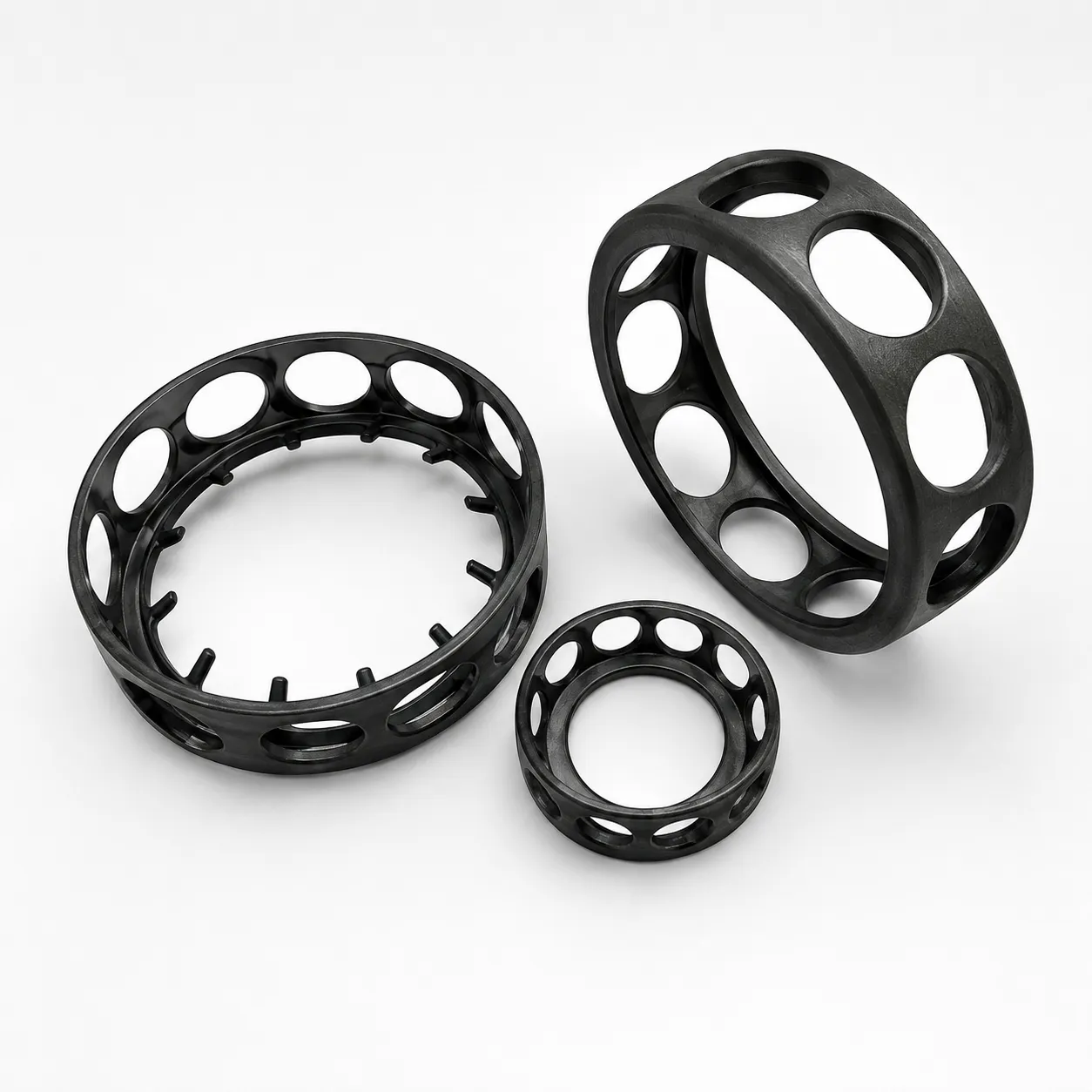
Clearance & Cage Check
Axial clearance, cage guidance and ring matching are checked to support stable operation and correct mounting.
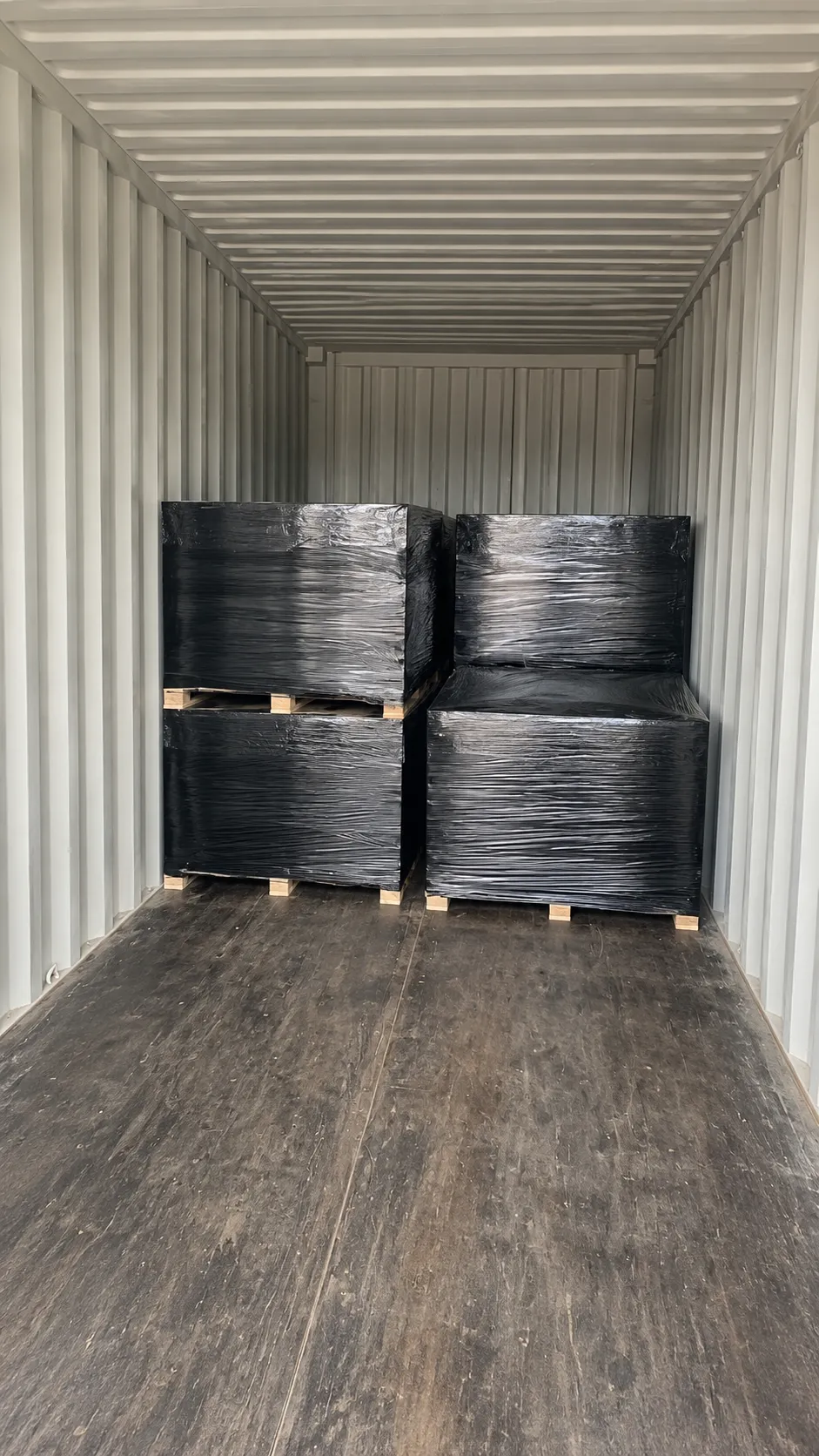
Final Inspection
Dimensions, noise, vibration, appearance, label and export packaging are checked before shipment.
Product Details That Affect Four Point Contact Bearing Performance
Precision manufacturing in the smallest details ensures stable operation under demanding industrial conditions.
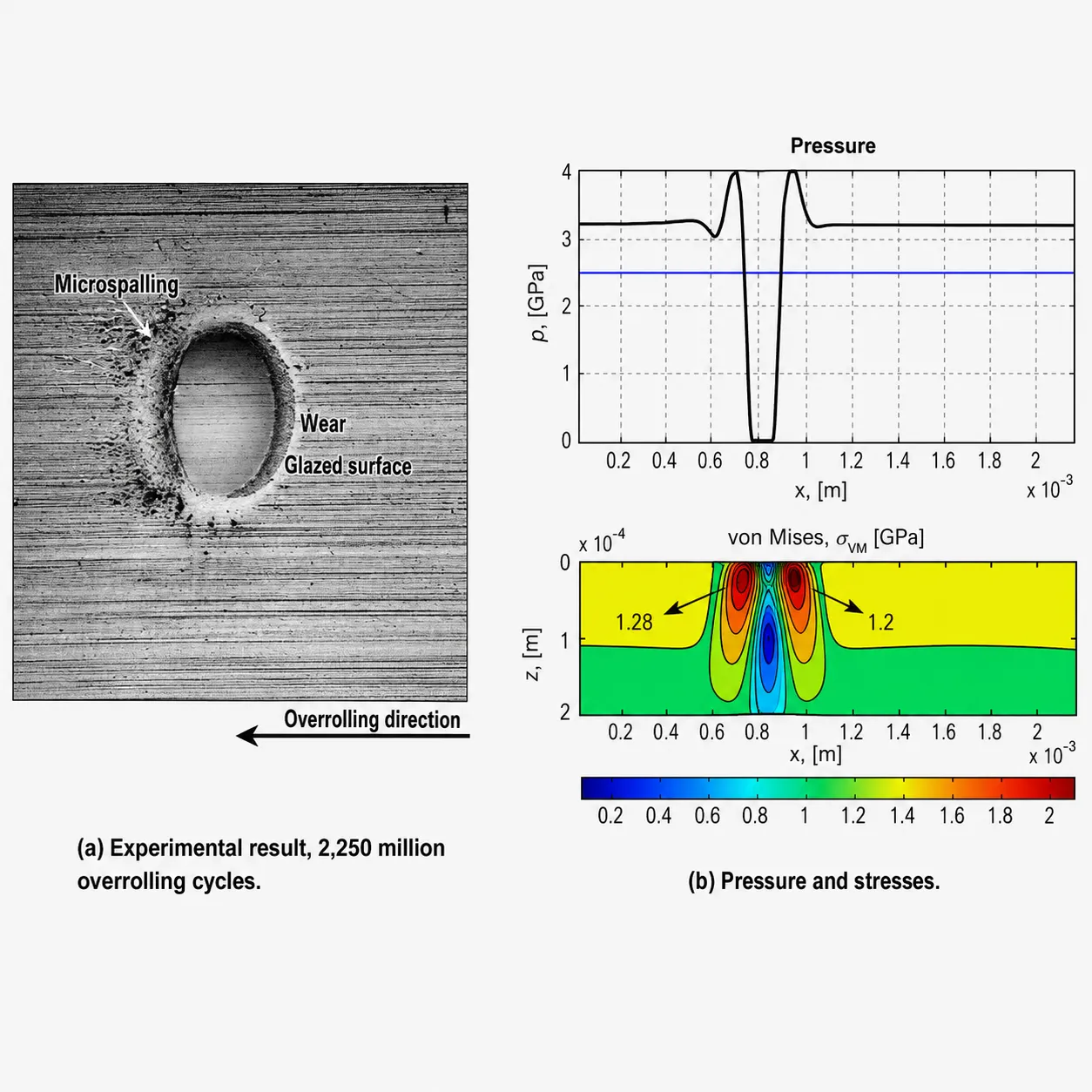
Raceway Geometry
Determines contact path, load capacity and stability under bidirectional force.
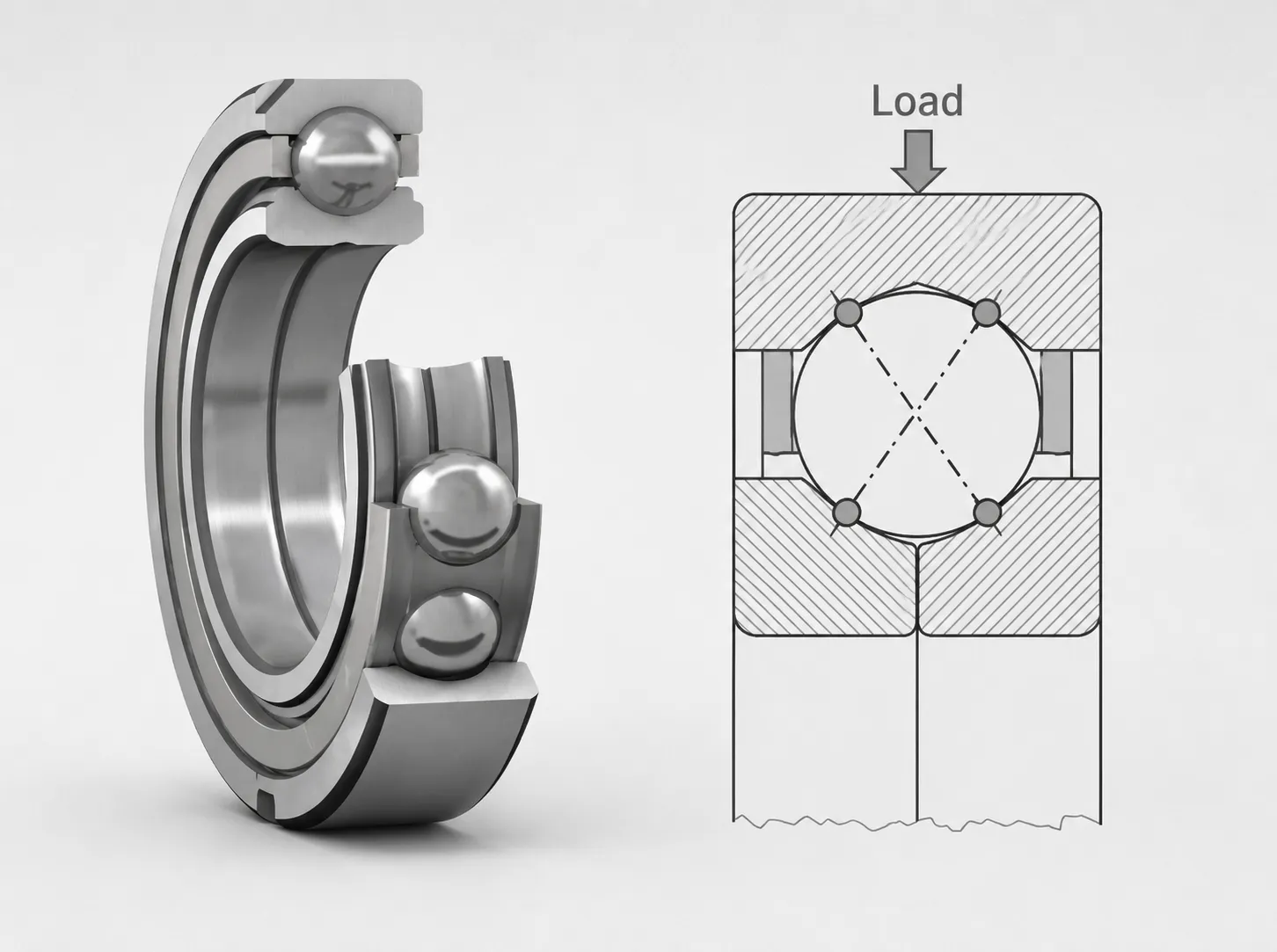
Split Ring Matching
The two halves must be matched correctly. Do not interchange with other bearings.

Ball Quality
Precision steel or ceramic balls selected for speed, noise, and life requirements.
Cage Design
Brass, steel, or polyamide depending on speed, temp, and lubrication.
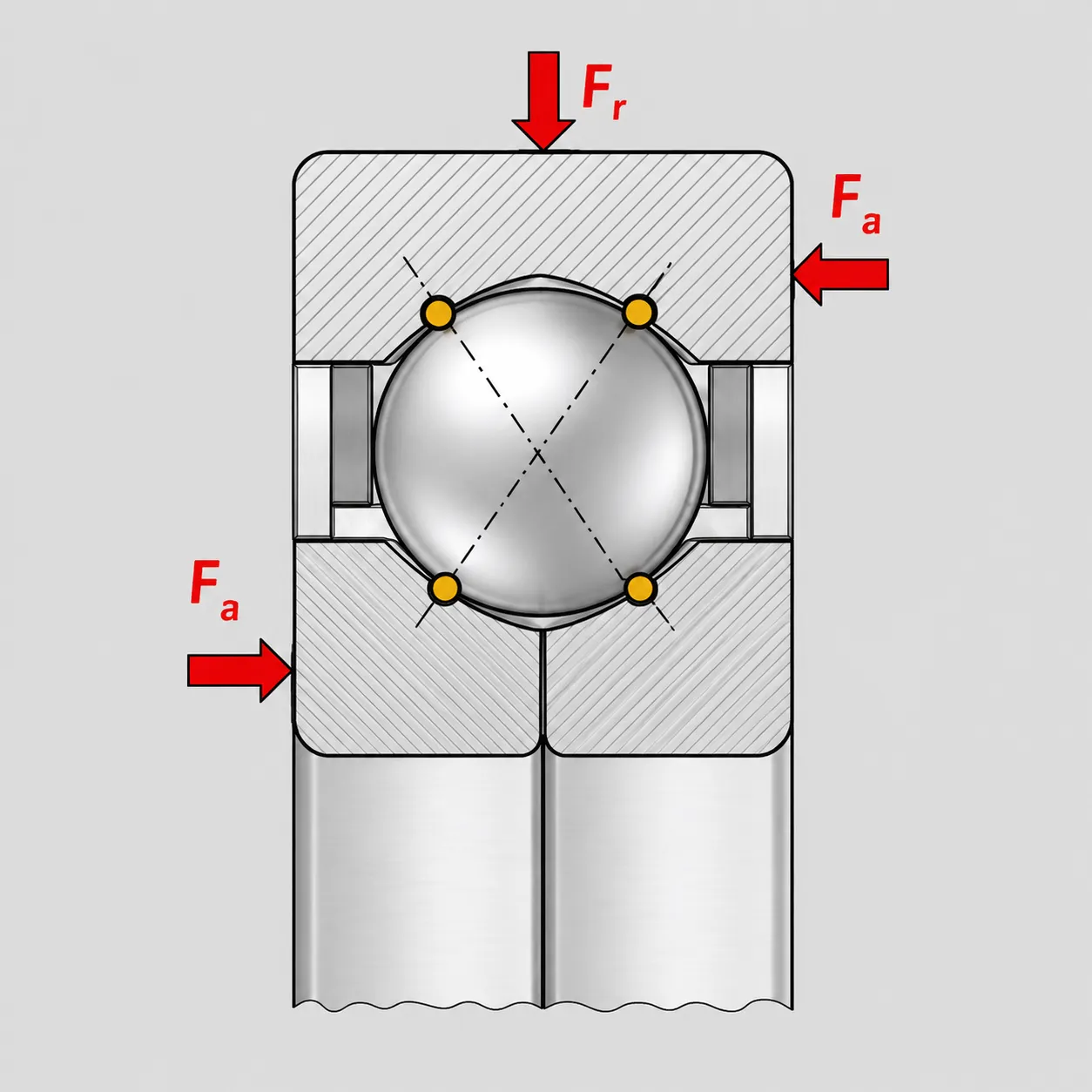
Axial Clearance
Affects heat, stiffness, positioning and running accuracy. Crucial for OEM.
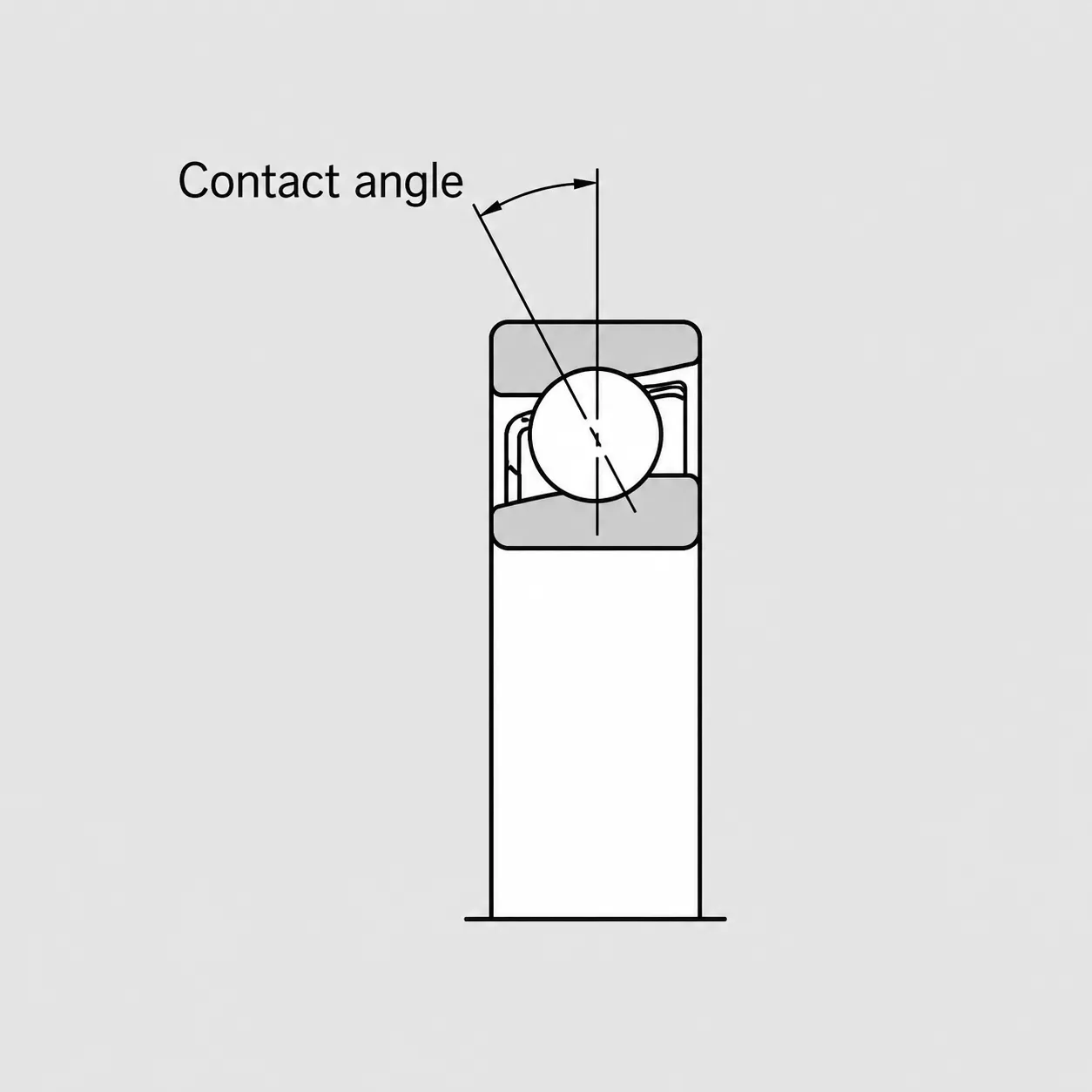
Contact Angle
Larger angle improves axial load capacity; speed and heat must be considered.
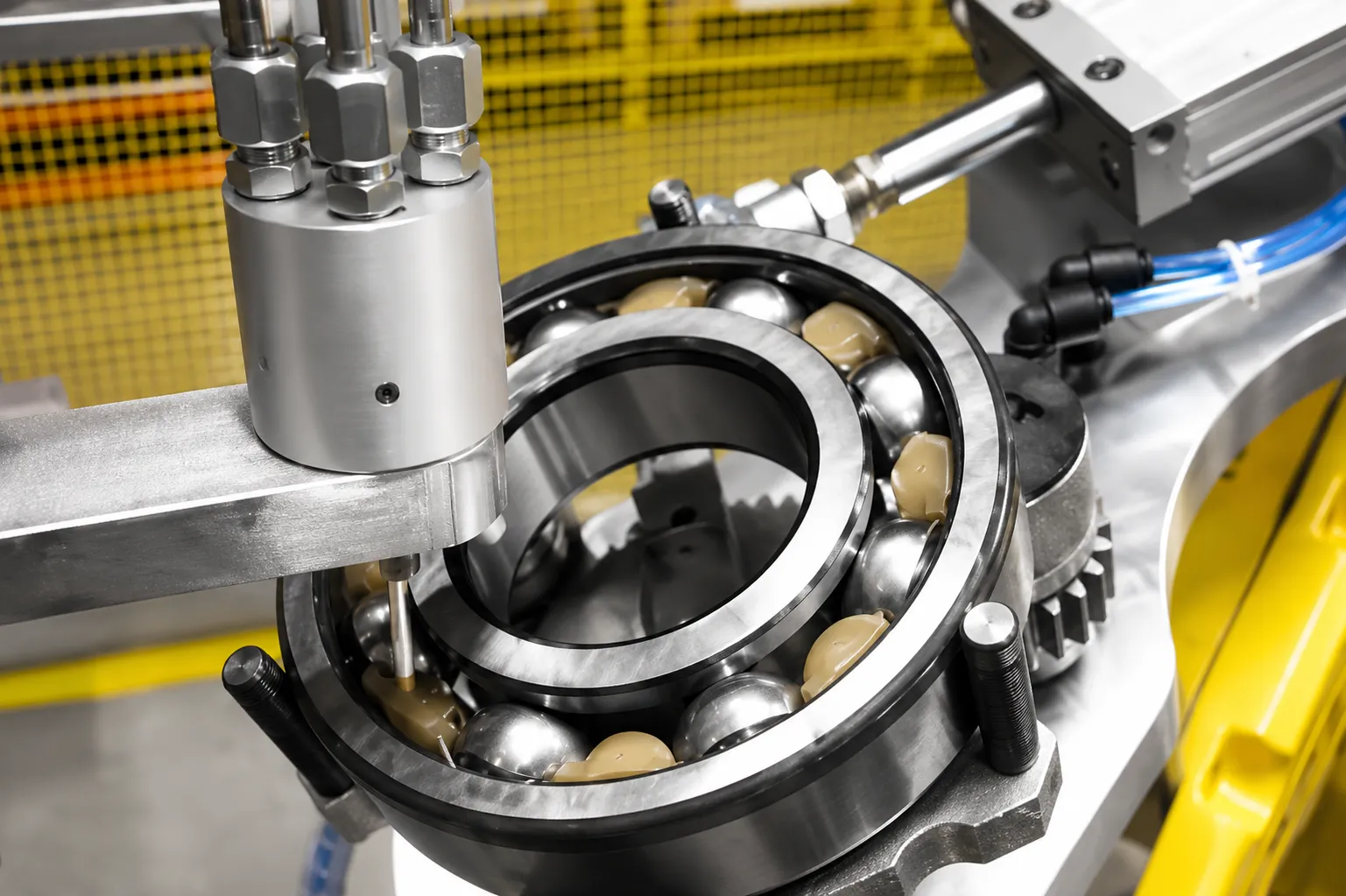
Lubrication
Grease or oil selected according to speed, temperature, load and environment.
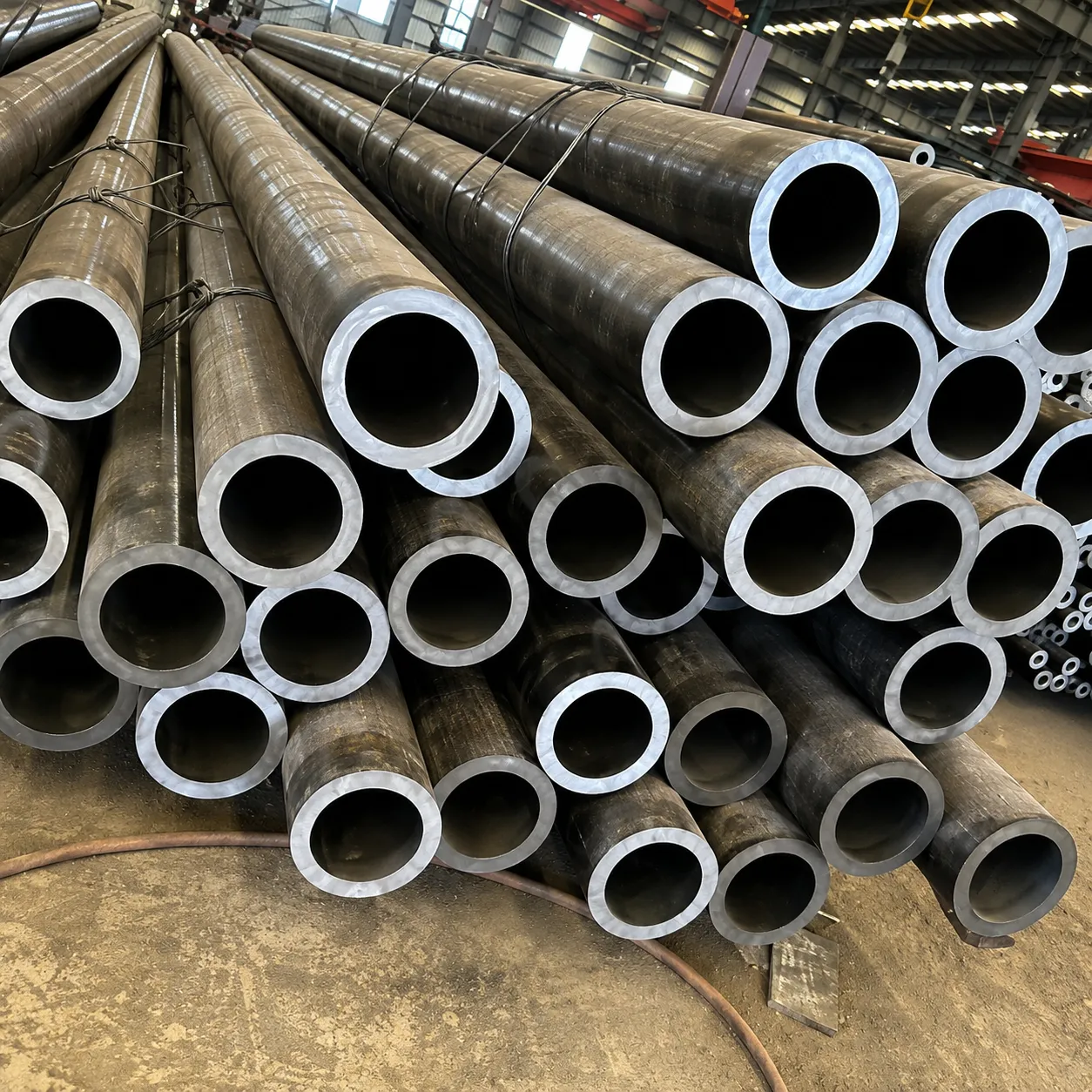
Material Options
GCr15 steel standard. Stainless or ceramic options for special projects.
Four Point Contact Ball Bearings We Supply
From standard QJ series to thin section, slewing bearings, and custom OEM designs, Haron Bearing supports diverse industrial applications.
QJ Series Four Point Contact Ball Bearings
Standard four point contact bearings for bidirectional axial load in compact axial space.
Suitable for: Compressors, pumps, gearboxes, reducers, industrial transmission systems, machine tools and power transmission equipment.
- Single-row angular contact structure
- Supports axial load in both directions
- Common split inner ring design
- Compact axial width
- Suitable for high-speed and axial positioning applications
- Brass, steel or polyamide cage options
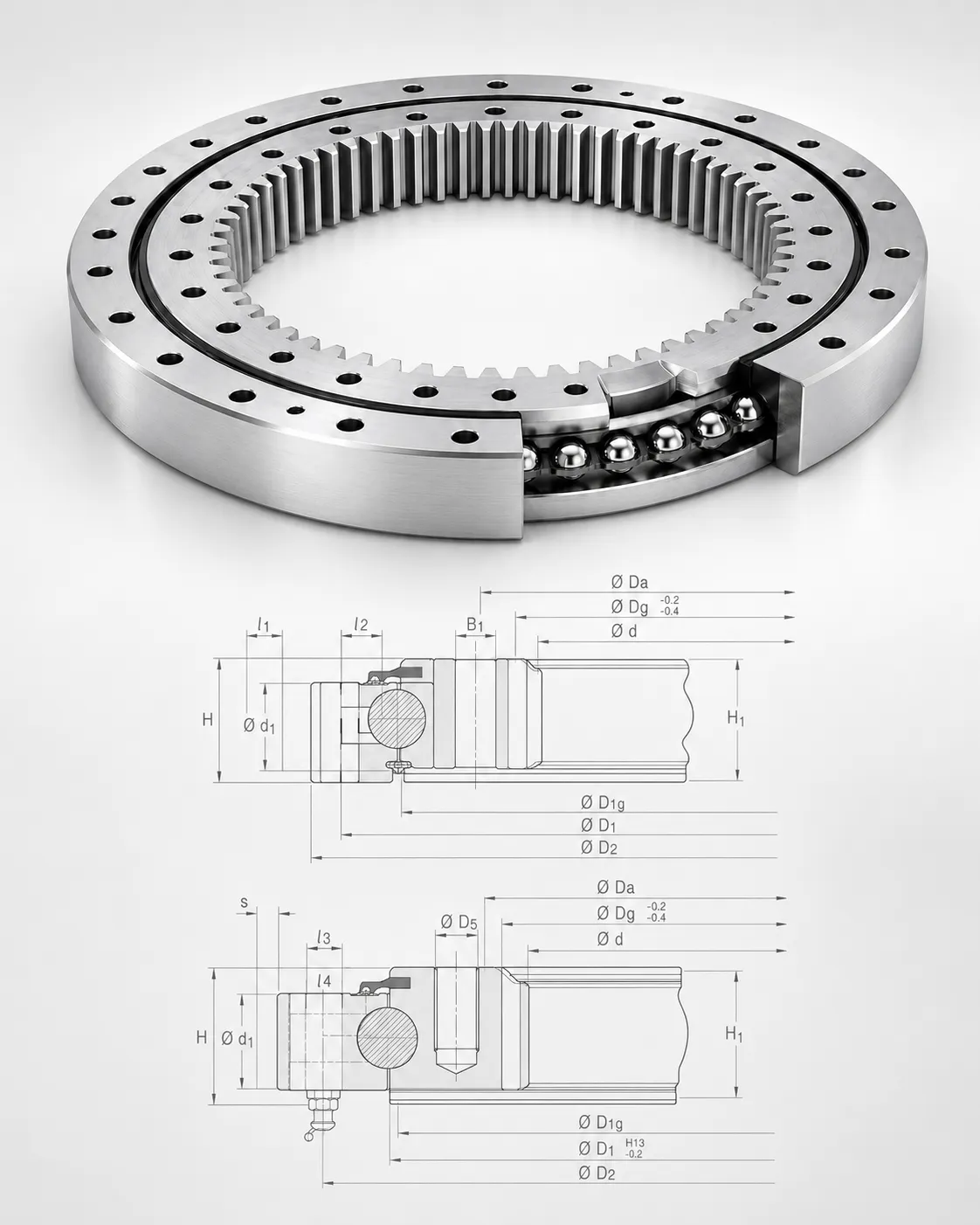
Slewing Bearing Series Four Point Contact Ball Bearings
For heavy-duty applications requiring the ability to support significant axial, radial, and moment loads simultaneously.
Suitable for: Cranes, excavators, wind turbines, solar tracking systems, rotary tables, and heavy construction equipment.
- Large diameter turntable bearing design
- Supports high combined loads effectively
- Available with internal, external, or no gear
- Integrated mounting holes for easy installation
- Robust and durable construction for harsh environments
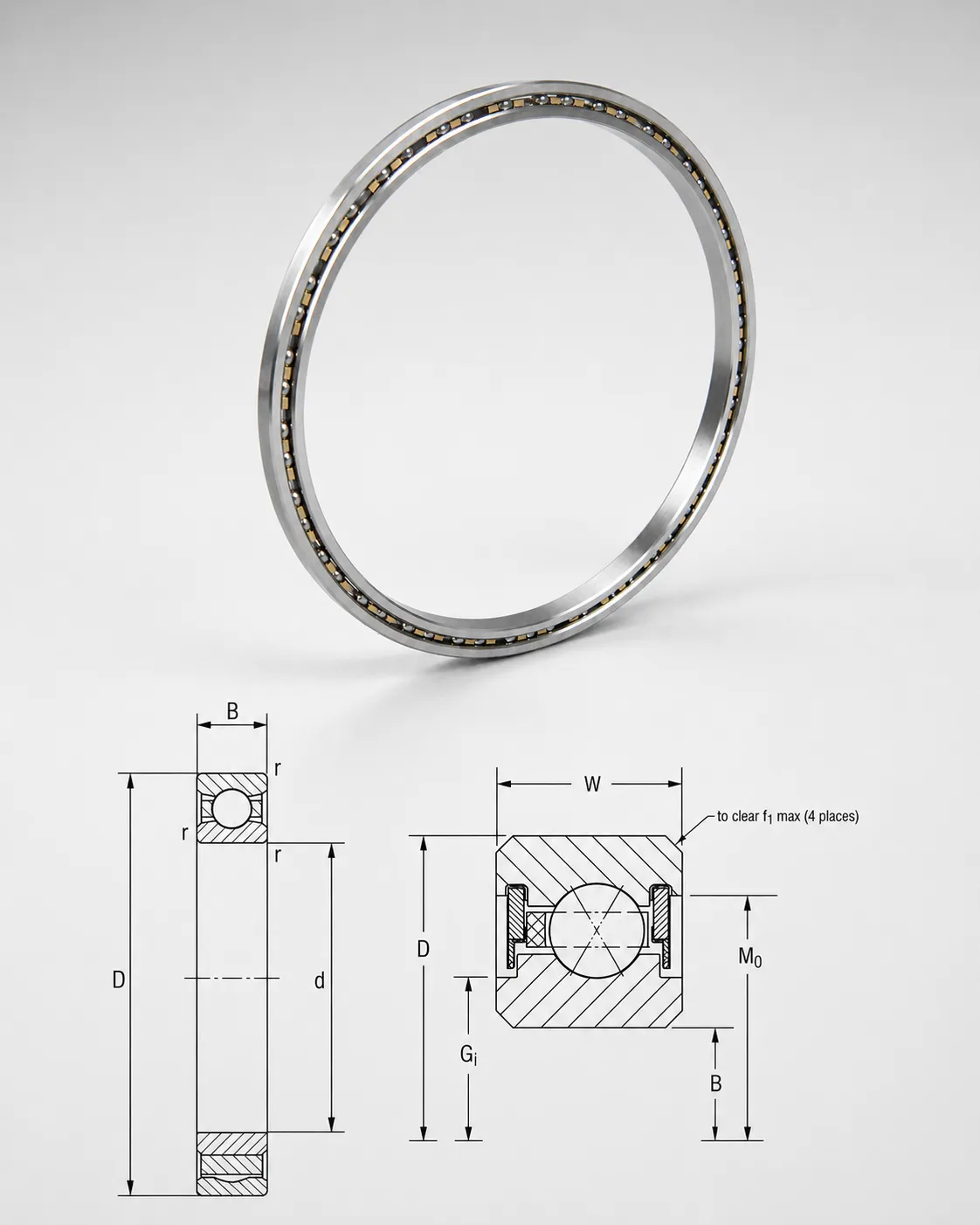
Thin Section Four Point Contact Ball Bearings
For compact, lightweight structures where radial space and axial space are both limited.
Suitable for: Robotics, rotary joints, medical equipment, semiconductor equipment, aerospace-type compact assemblies, optical equipment and automation systems.
- Thin section design
- Large bore with small cross-section
- Supports radial, axial and moment load in compact assemblies
- Helps reduce weight and save space
- Custom size support available
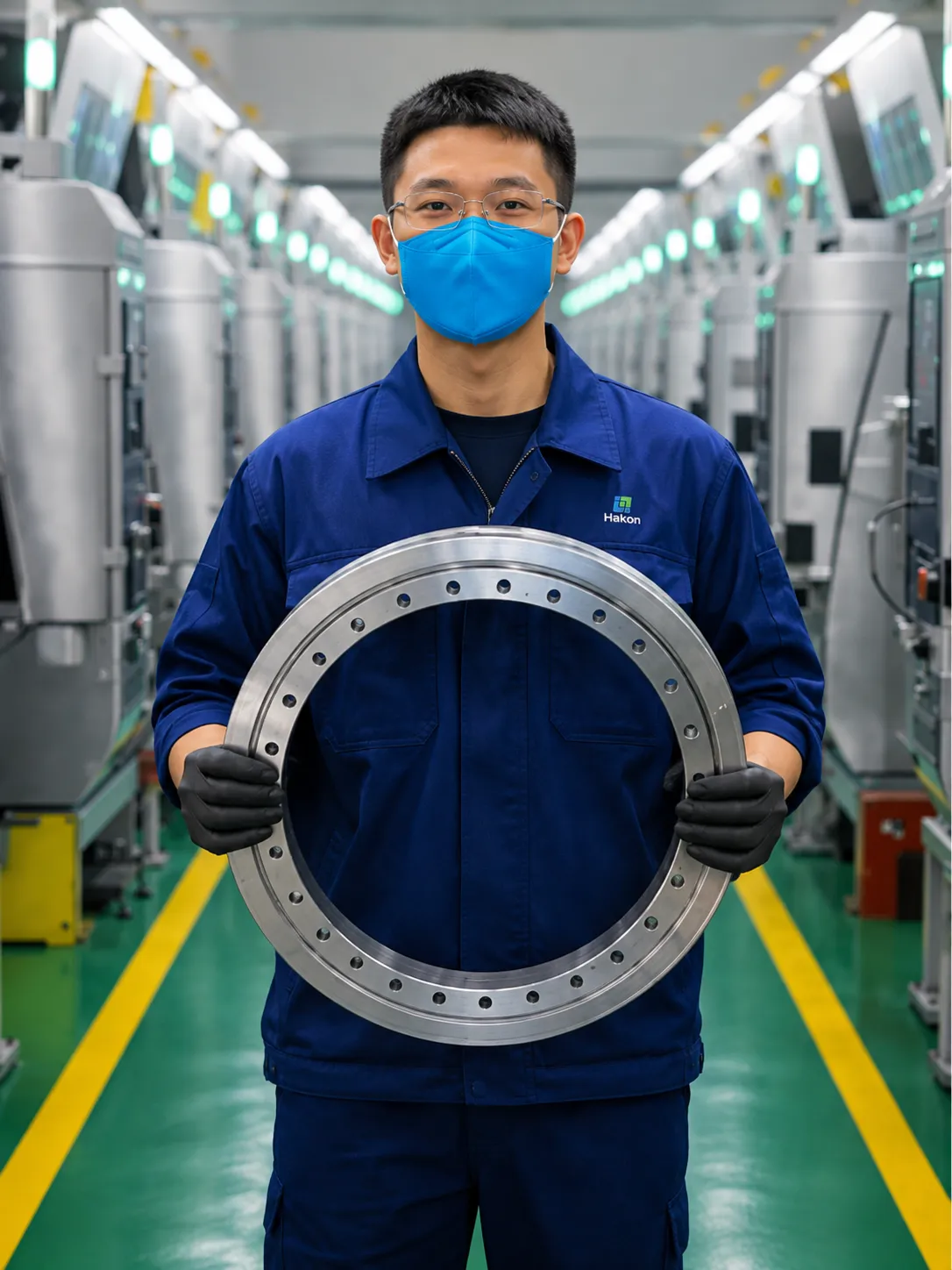
Custom Four Point Contact Ball Bearings
For OEM machinery and non-standard rotating assemblies that cannot use standard QJ dimensions.
Suitable for: Special gearboxes, rotary tables, robotic joints, customized machinery, compact reducers and special industrial equipment.
- Custom dimensions, clearance, cage & material
- Custom grease
- Drawing review support
- OEM private label packaging
Common Four Point Contact Ball Bearing Models
Reference table for standard and custom series. Contact us for final selection based on operating conditions.
| Series | Model Examples | Design Character | Load Direction | Precision Options | Cage Options | Typical Applications | Action |
|---|---|---|---|---|---|---|---|
| QJ 200 Series | QJ 202–QJ 240 | Light / compact QJ design | Bidirectional axial load | P0 / P6 / P5 / P4 | brass / steel / polyamide | compressors, pumps, gearboxes, light machinery | |
| QJ 300 Series | QJ 303–QJ 340 | Higher load than QJ 200 series | Bidirectional axial load | P0 / P6 / P5 / P4 | brass / steel / polyamide | reducers, power transmission, industrial machinery | |
| High Precision QJ | QJ 206 / QJ 306 / QJ 309 / custom | Improved running accuracy | Bidirectional axial load with controlled clearance | P6 / P5 / P4 / P2 | brass / special cage | machine tools, high-speed compressors, precision equipment | |
| Thin Section Four Point | KA / KB / KC style custom reference | Thin section / compact design | radial + axial + moment load combination | P6 / P5 / P4 | steel / brass / special cage | robotics, rotary joints, medical equipment, semiconductor equipment | |
| Custom Four Point | According to drawing | Non-standard design | According to working conditions | P0 / P6 / P5 / P4 / P2 | custom | OEM machinery, compact reducers, rotary units |
Note: The above models are for reference only. Final selection should consider axial load direction, radial load ratio, moment load, speed, shaft fit, housing fit, temperature, lubrication, axial clearance, cage material and service life requirements. Please send your model, drawing or working conditions for confirmation.
Application Scenarios for Four Point Contact Ball Bearings
Engineered for compact rotating assemblies requiring reliable bidirectional axial positioning.
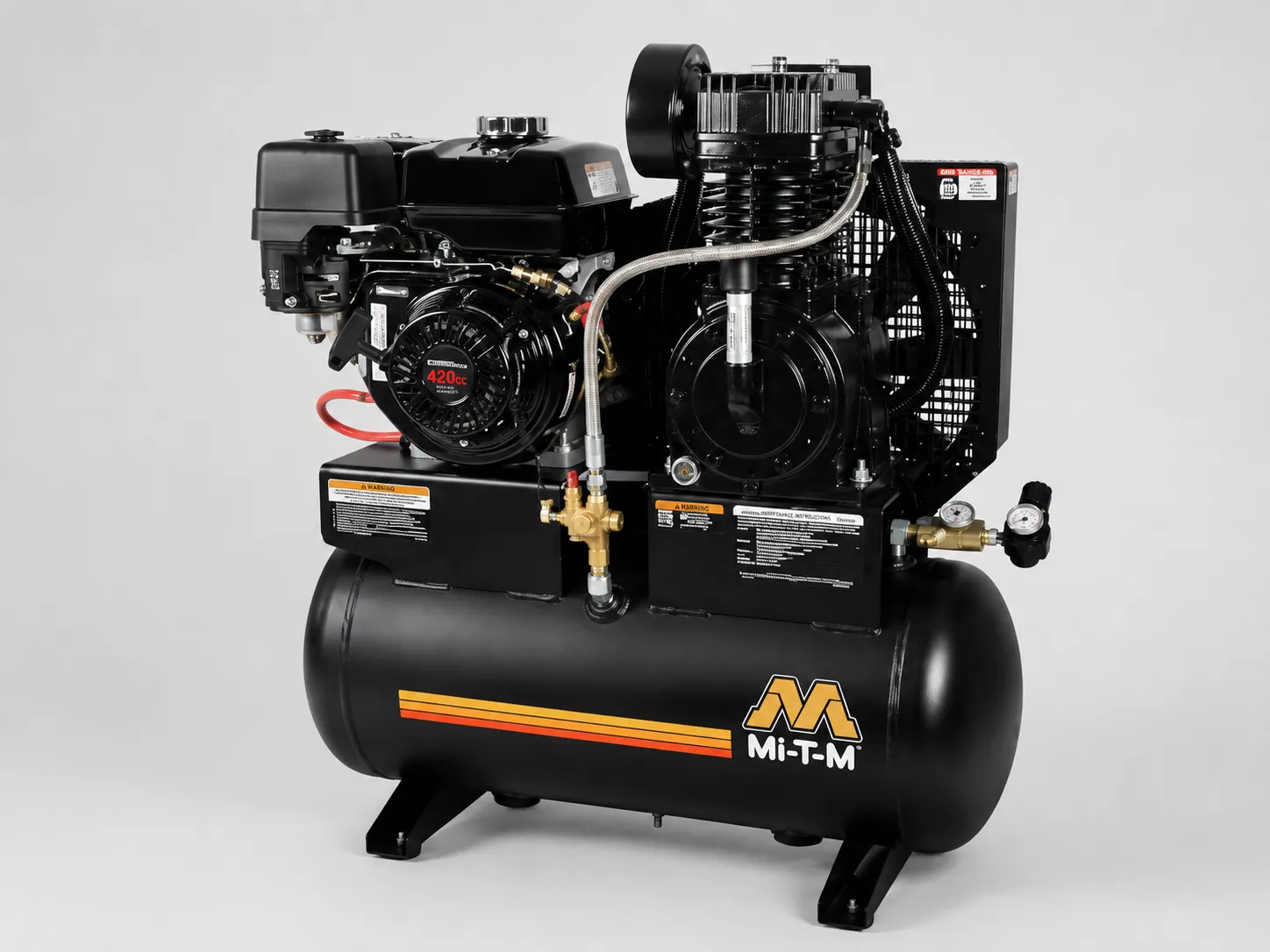
Screw Compressors
Four point contact ball bearings can help support bidirectional axial load and high-speed shaft positioning in screw compressor systems, especially where compact bearing arrangements are required.
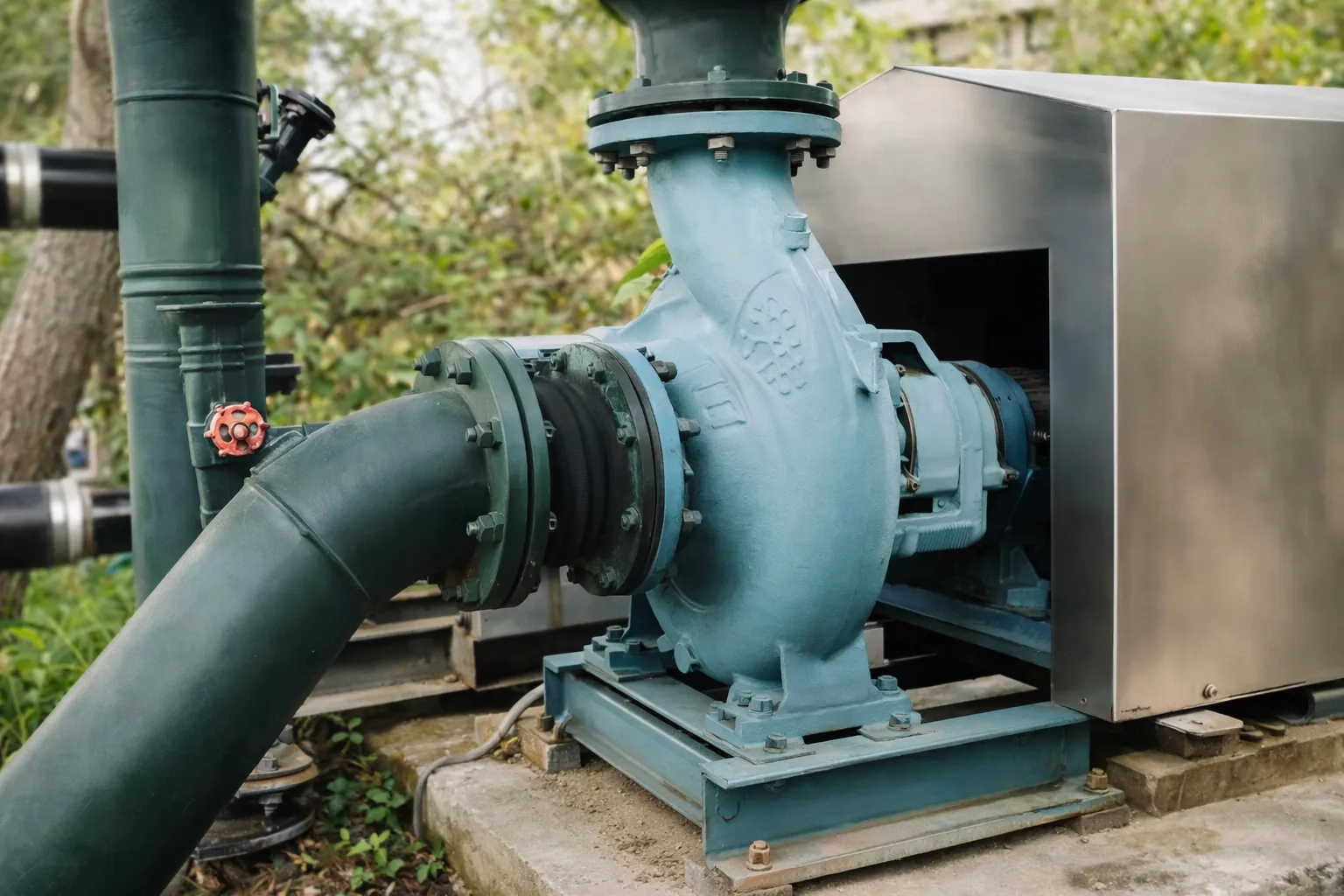
Pumps
In pump systems, four point contact bearings can help control axial force generated by impellers and fluid pressure while saving axial space.

Gearboxes & Reducers
Four point contact bearings can support shaft positioning in compact transmission systems where axial load may act from both directions.
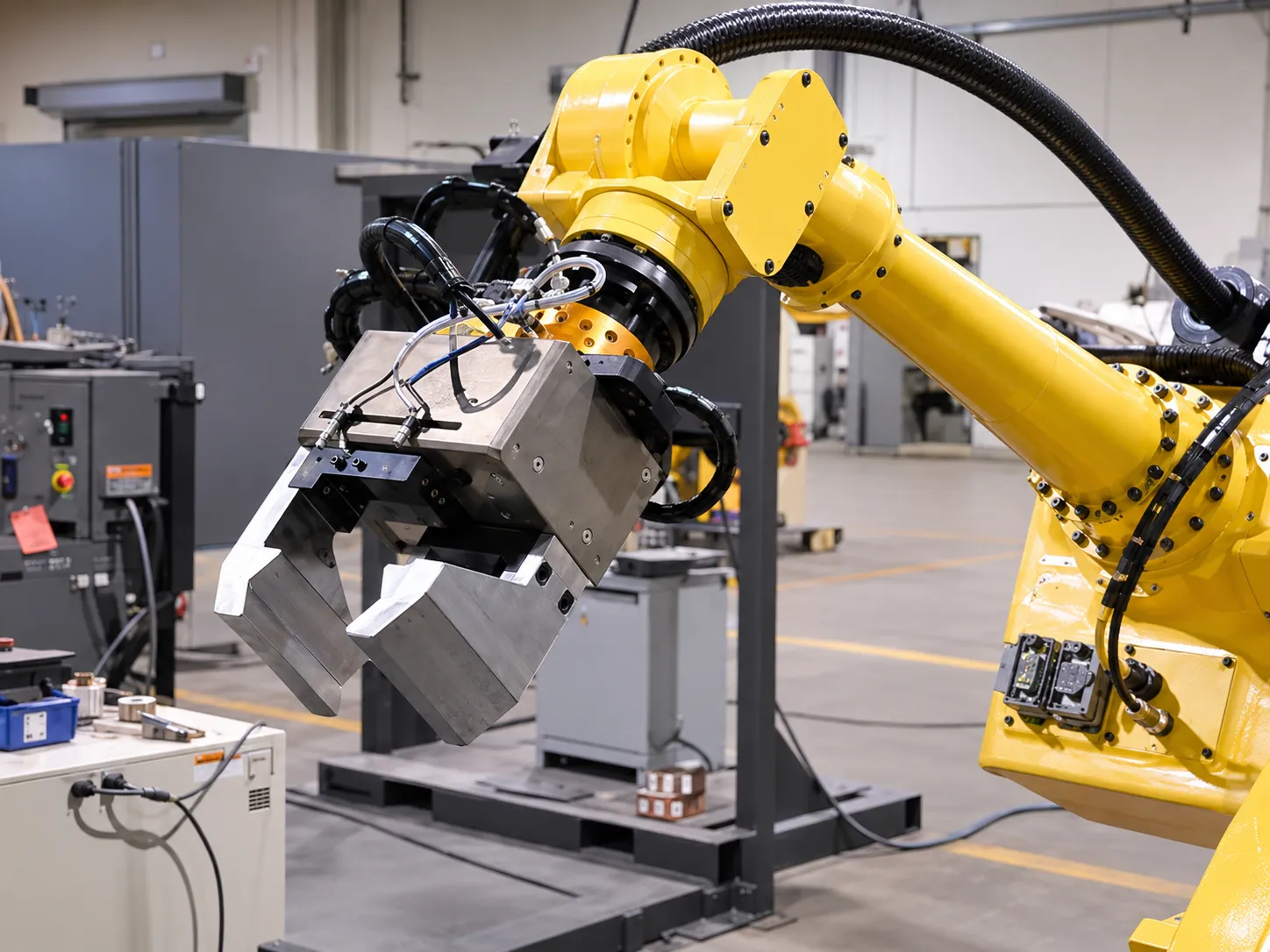
Robotics & Automation
Thin section four point contact bearings are suitable for compact robotic joints, rotary modules and automation systems where space saving and accurate rotation are important.
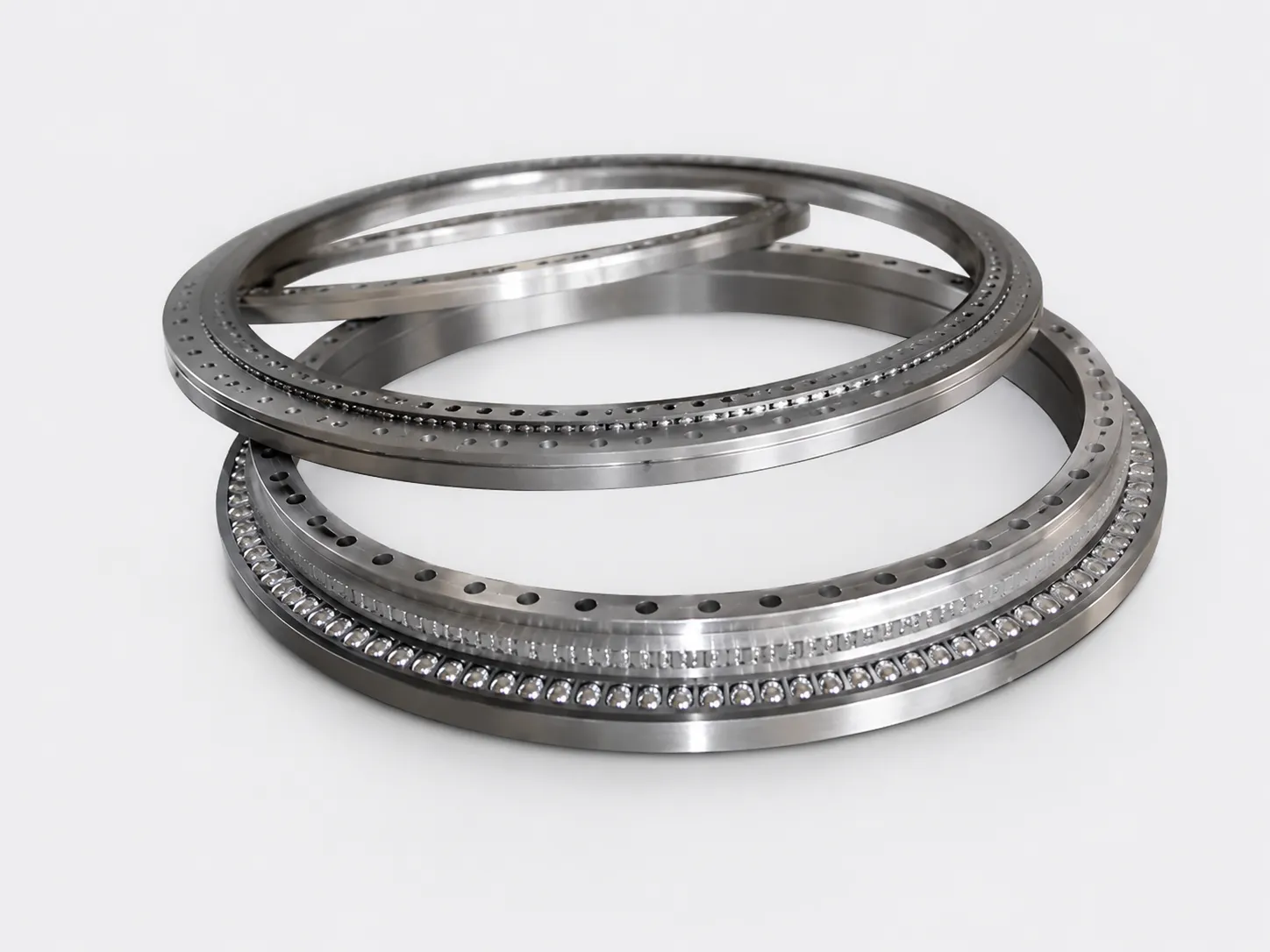
Rotary Tables
Four point contact bearings can support axial load and moment load in rotary table and indexing applications when properly selected.

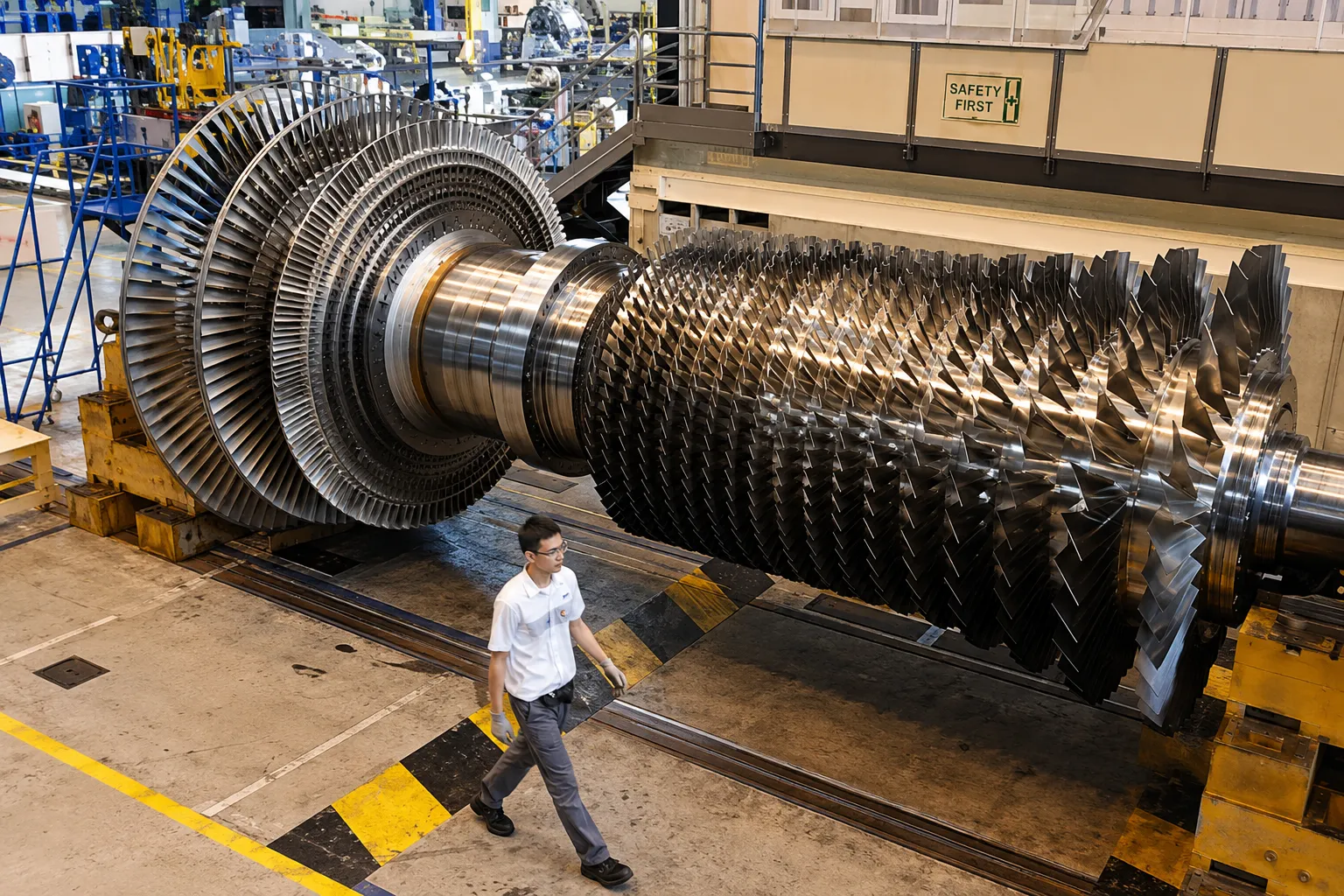
Machine Tools
High precision four point contact bearings help support axial positioning and compact arrangements in precision machine tool structures.
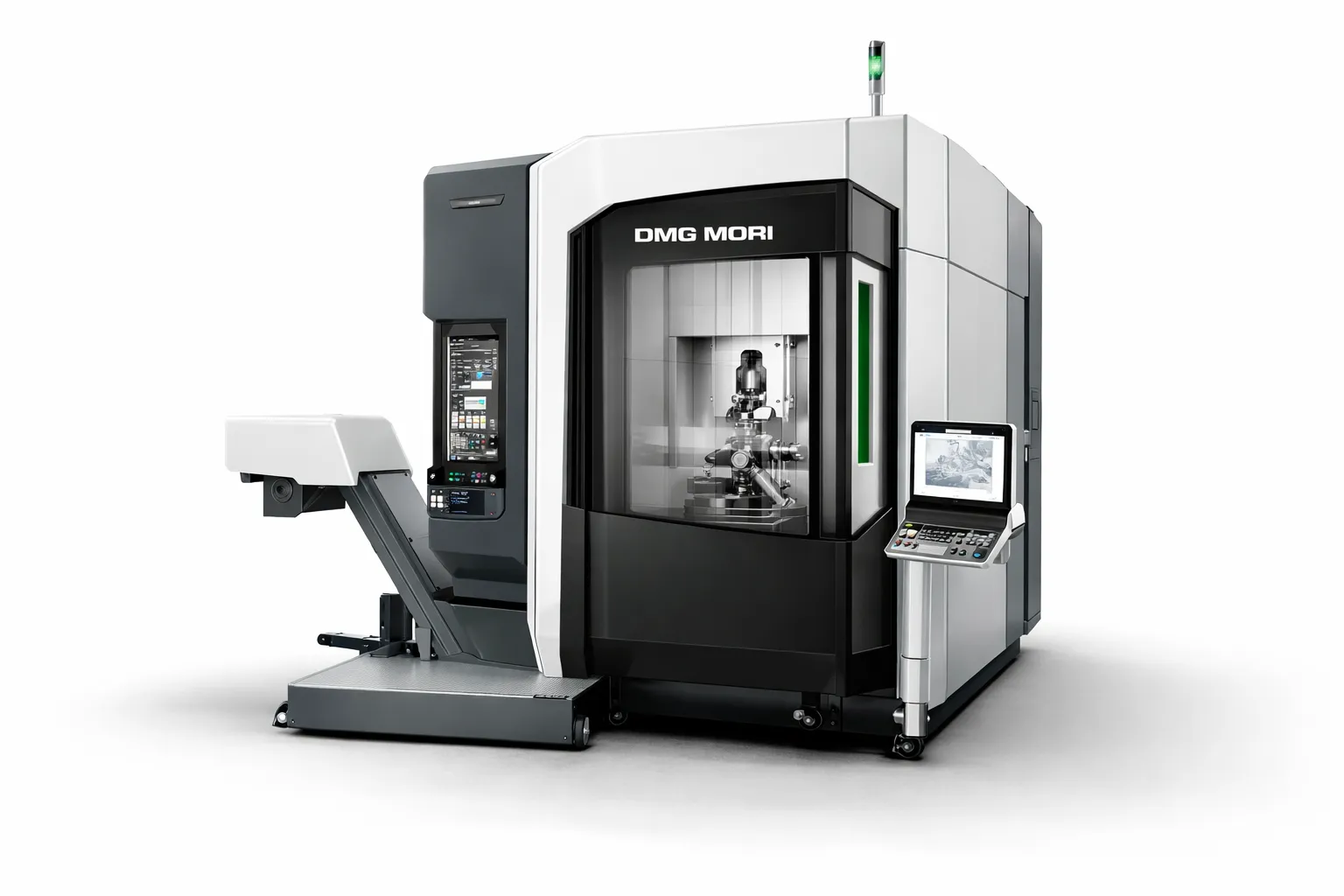
Industrial Power Transmission
For power transmission systems, four point contact bearings provide compact axial support where bidirectional thrust load needs to be controlled.
General Industrial Machinery
Suitable for machinery that requires compact axial positioning, bidirectional axial load support and reliable bearing supply.
How to Choose the Right Four Point Contact Ball Bearing
A step-by-step approach to ensuring you select the correct bearing parameters for your application.
Confirm Axial Load Direction
- Does axial force come from one direction or both directions?
- Is the axial load continuous or alternating?
- Is the bearing mainly used for thrust positioning?
Confirm Radial Load
- Is the radial load small, moderate or heavy?
- Will another radial bearing support the main radial load?
Guide: For heavy radial load, combine with a suitable radial bearing.
Confirm Moment Load
- Is there overturning moment?
- Is the bearing used in a rotary joint or compact module?
- Is a thin section four point bearing more suitable?
Choose Bearing Series
- QJ 200/300 for general applications.
- High precision QJ for better running accuracy.
- Thin section for robotics/compact rotary systems.
- Custom for non-standard OEM designs.
Choose Precision Grade
- P0 for general industrial machinery.
- P6 for improved running accuracy.
- P5 for high-speed or lower vibration.
- P4 / P2 for precision machinery.
Choose Axial Clearance
- Smaller clearance improves positioning accuracy but increases heat risk.
- Larger clearance improves tolerance to mounting but reduces rigidity.
Guide: Confirm according to load, speed, fit and temp.
Choose Cage Material
- Brass: strength, high speed, demanding use.
- Steel: standard industrial use.
- Polyamide: lightweight, lower friction.
- Special: high speed, temperature or OEM requirements.
Material & Lubrication
- GCr15 steel standard; Stainless/Ceramic for special environments.
- Grease or oil lubrication should match speed, temperature and load.
Four Point Contact Bearing Structure: Why Split Rings and Load Direction Matter
Understanding internal geometry ensures correct mounting and prevents premature failure.
QJ Structure
- Innovative Design: Comprises a solid, one-piece outer ring paired with a precisely engineered split inner ring.
- Advanced Kinematics: Accommodates a significantly higher number of rolling elements compared to standard deep groove designs.
- Compact Performance: Delivers exceptionally high axial load-carrying capacity within a highly compact geometric envelope.
Bidirectional Axial Load
- Dual-Direction Support: Uniquely capable of supporting substantial axial loads in both directions simultaneously.
- Gothic Arch Profile: Internal raceway geometry creates four distinct contact points under pure axial loading.
- Streamlined Positioning: Eliminates the need for matched angular contact pairs, reducing system weight and installation footprint.
Limited Radial Load
- Constrained Capacity: Fundamental kinematics dictate a limited capacity for pure radial loads to avoid internal stress.
- Friction Prevention: Prevents multi-point contact that generates excessive internal friction, elevated temperatures, and micro-spalling.
- Optimal Deployment: Best deployed as pure thrust bearings in conjunction with dedicated radial bearings to decouple load vectors.
Compact Bearing Arrangement
- Space Optimization: Drastically reduces required axial space by replacing two conventional bearings with a single unit.
- Architectural Simplification: Streamlines the assembly process and significantly lowers the overall bill of materials (BOM).
- Enhanced Stability: Improves dynamic stability of the rotating shaft, offering the ultimate minimalist solution for tight spaces.
Understand the Difference Before You Choose
Compare four point contact bearings with other bearing types to ensure optimal selection for your machinery.
Four Point Contact Bearings vs Double Row Angular Contact Bearings
Four Point Contact Ball Bearing
- Supports axial load in both directions
- More compact axial width
- Usually single-row angular contact design
- Can support limited radial load
- Often used with a separate radial bearing
- Apps: Compressors, gearboxes, pumps, rotary systems, robotics
- When to choose: When bidirectional axial load and compact axial space are important
Double Row Angular Contact Ball Bearing
- Supports axial load in both directions
- More compact than two single-row bearings, but usually wider than one QJ bearing
- Two-row structure
- Better combined load support in many general applications
- Easier replacement in some compact bearing arrangements
- Apps: Pumps, motors, gearboxes, general machinery
- When to choose: When combined load support and easier installation are more important
vs Single Row Angular Contact
Four Point Contact Bearing
- Supports axial load in both directions
- Special raceway geometry
- Compact axial arrangement
- Can act mainly as a thrust positioning bearing
- Often used where axial space is limited
Single Row Angular Contact
- Supports axial load mainly in one direction
- Often mounted in DB / DF / DT pairs for bidirectional axial load
- More flexible preload arrangement
- Suitable for high-speed precision paired bearing systems
vs Deep Groove Ball Bearings
Four Point Contact Bearing
- Designed for axial load from both directions
- Has angular contact geometry
- Better axial positioning than deep groove bearings in thrust applications
- Requires more careful mounting and load analysis
Deep Groove Ball Bearing
- Mainly supports radial load
- Can support limited axial load in both directions
- Easier installation and more general use
- Suitable for motors, fans, conveyors and general machinery
Quality Inspection Before Shipment
Stringent factory quality control ensures every bearing meets required precision, clearance and load capacity standards.
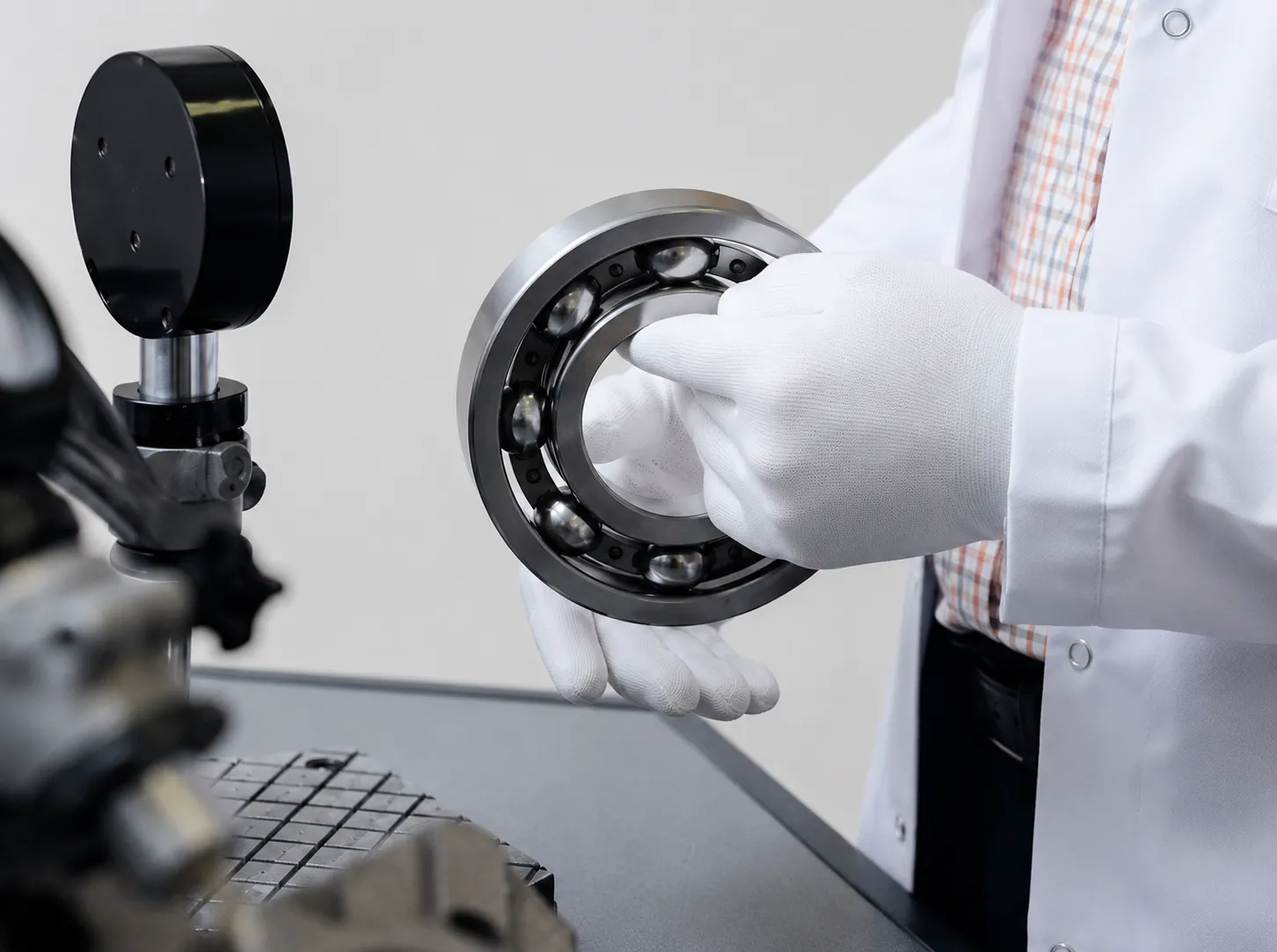
Dimensional Inspection
Bore diameter, outside diameter, width, chamfer and ring geometry are checked according to specification.
Raceway Geometry
Special raceway geometry is checked because it directly affects contact angle, axial load capacity and running stability.
Axial Clearance
Controlled according to application requirements to support stiffness, heat control and shaft positioning.
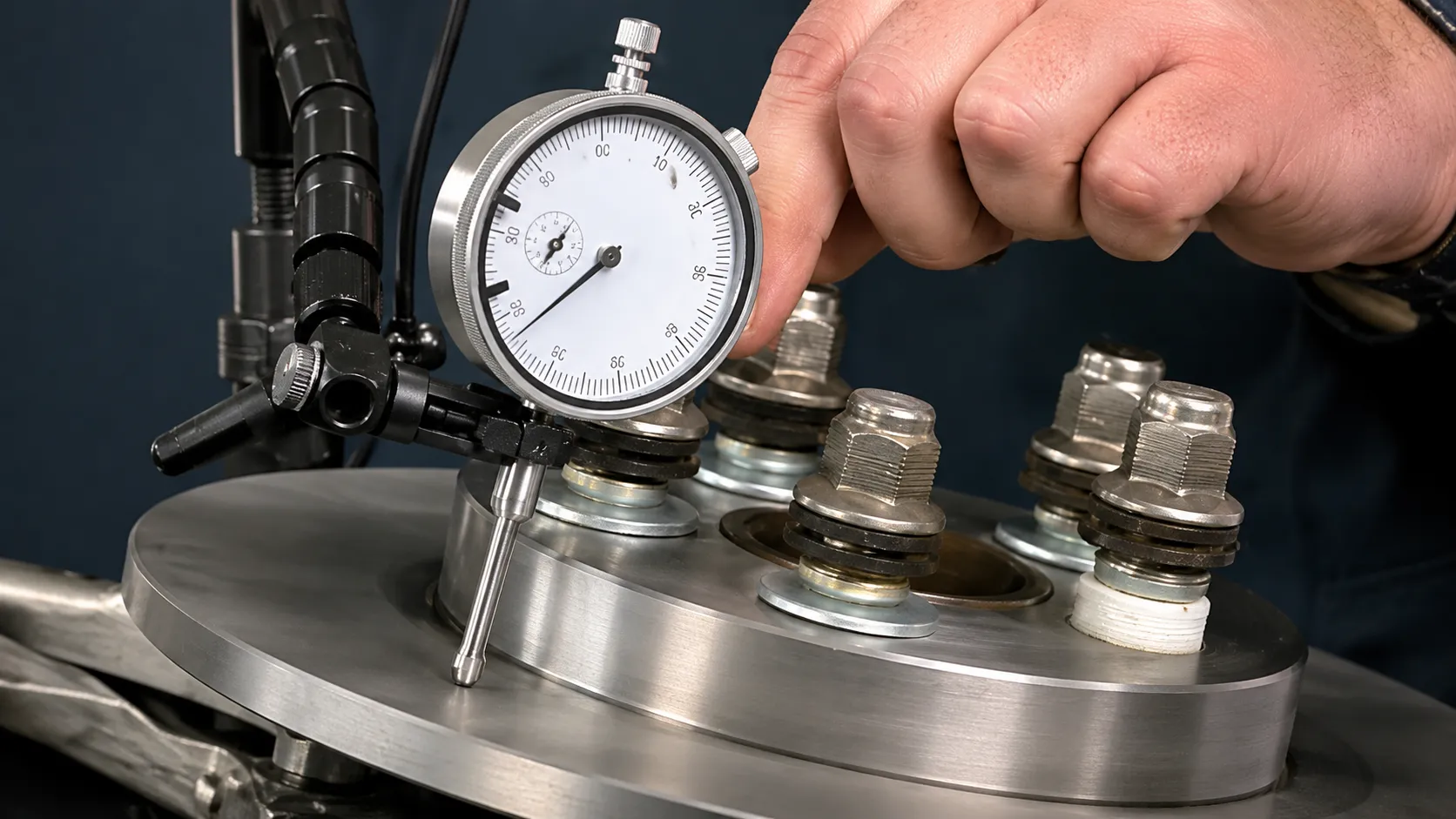
Runout Inspection
Radial runout and axial runout are checked for applications requiring stable rotation and high accuracy.
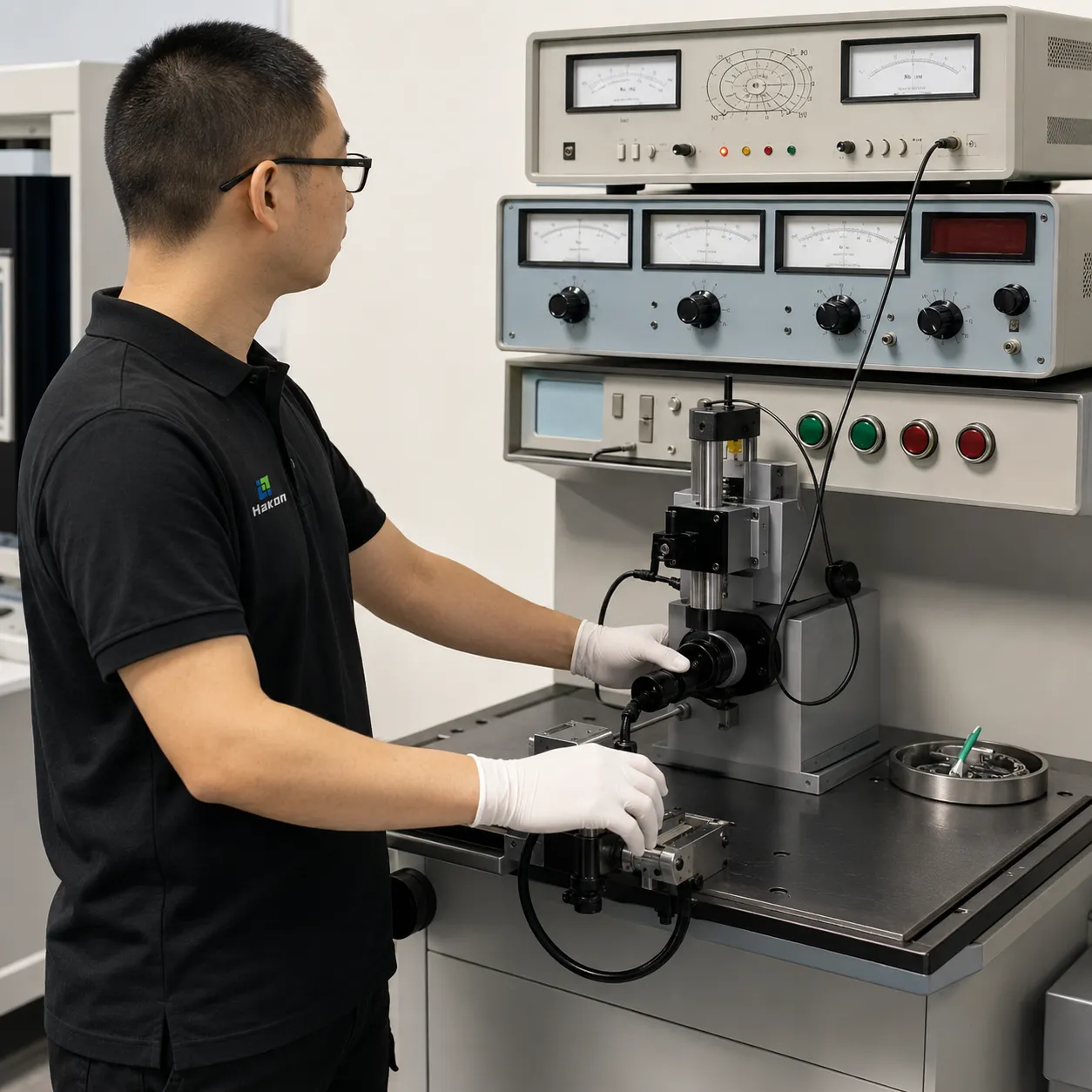
Noise & Vibration
Noise level, vibration and smoothness of rotation are tested before shipment.

Hardness Testing
Ring hardness and heat treatment consistency are checked to support wear resistance and service life.
Cage & Ring Matching
Cage guidance, split ring matching and assembly condition are checked before packaging.

Packaging Inspection
Anti-rust protection, label accuracy, carton strength and export packing condition are checked before shipment.
Packaging Designed for Protection, Identification and Export
Secure packaging solutions to ensure bearings arrive in perfect condition, ready for assembly or distribution.
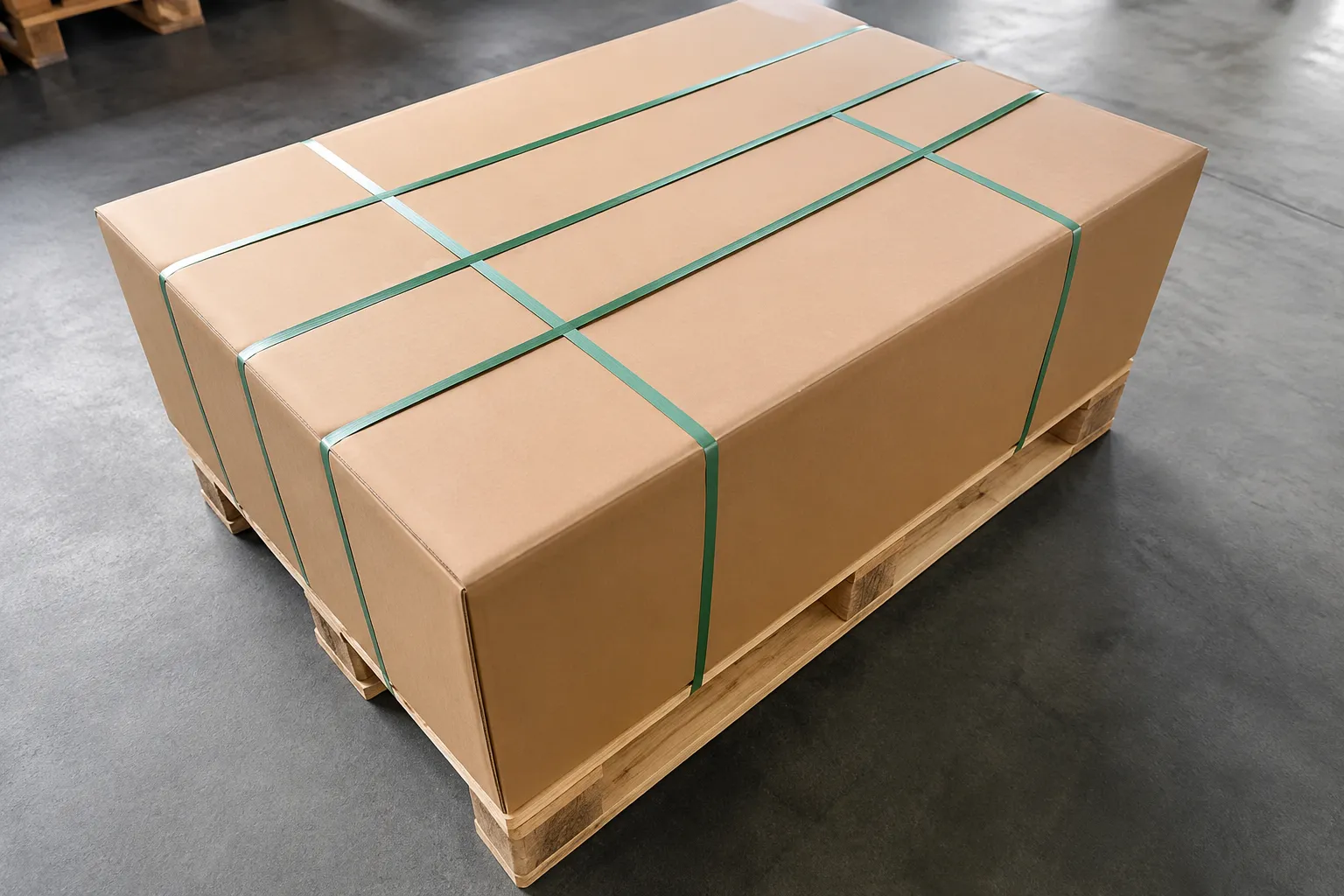
Standard Industrial Packaging
Suitable for regular export orders and distributor inventory.
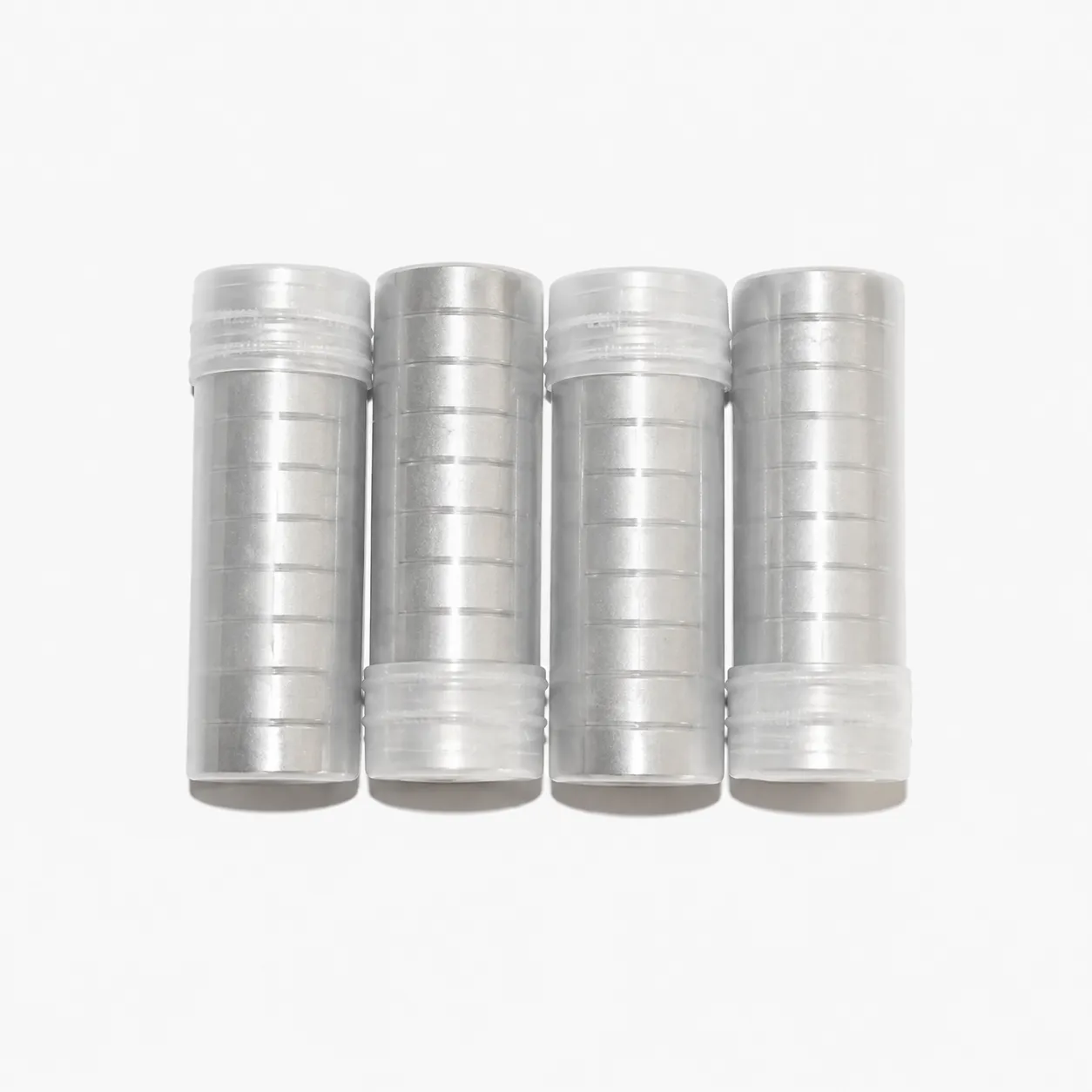
Individual Box Packaging
Each bearing can be packed with model label for easy warehouse management.
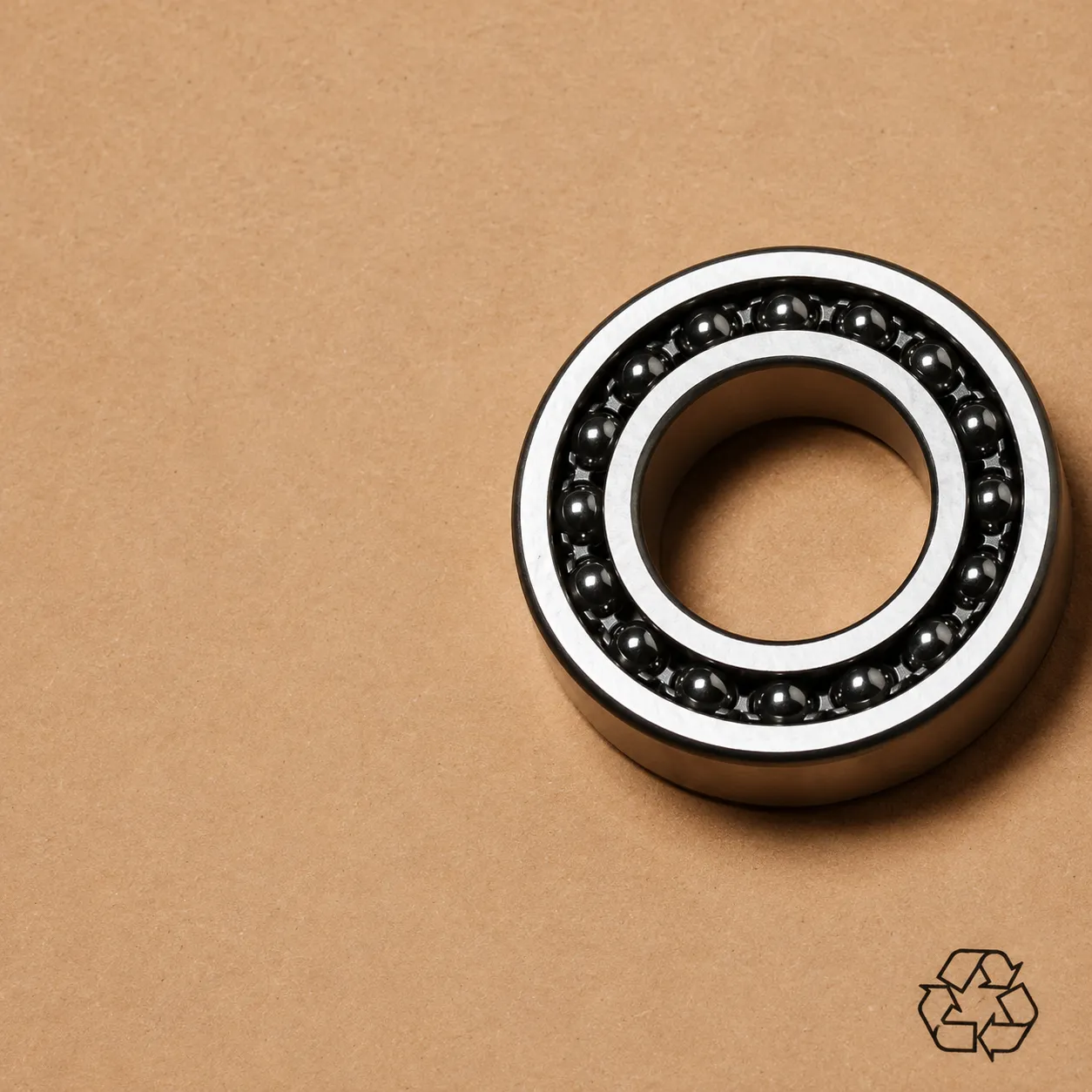
Anti-Rust Protection
Anti-rust oil, VCI paper or sealed bags selected according to shipping and storage requirements.
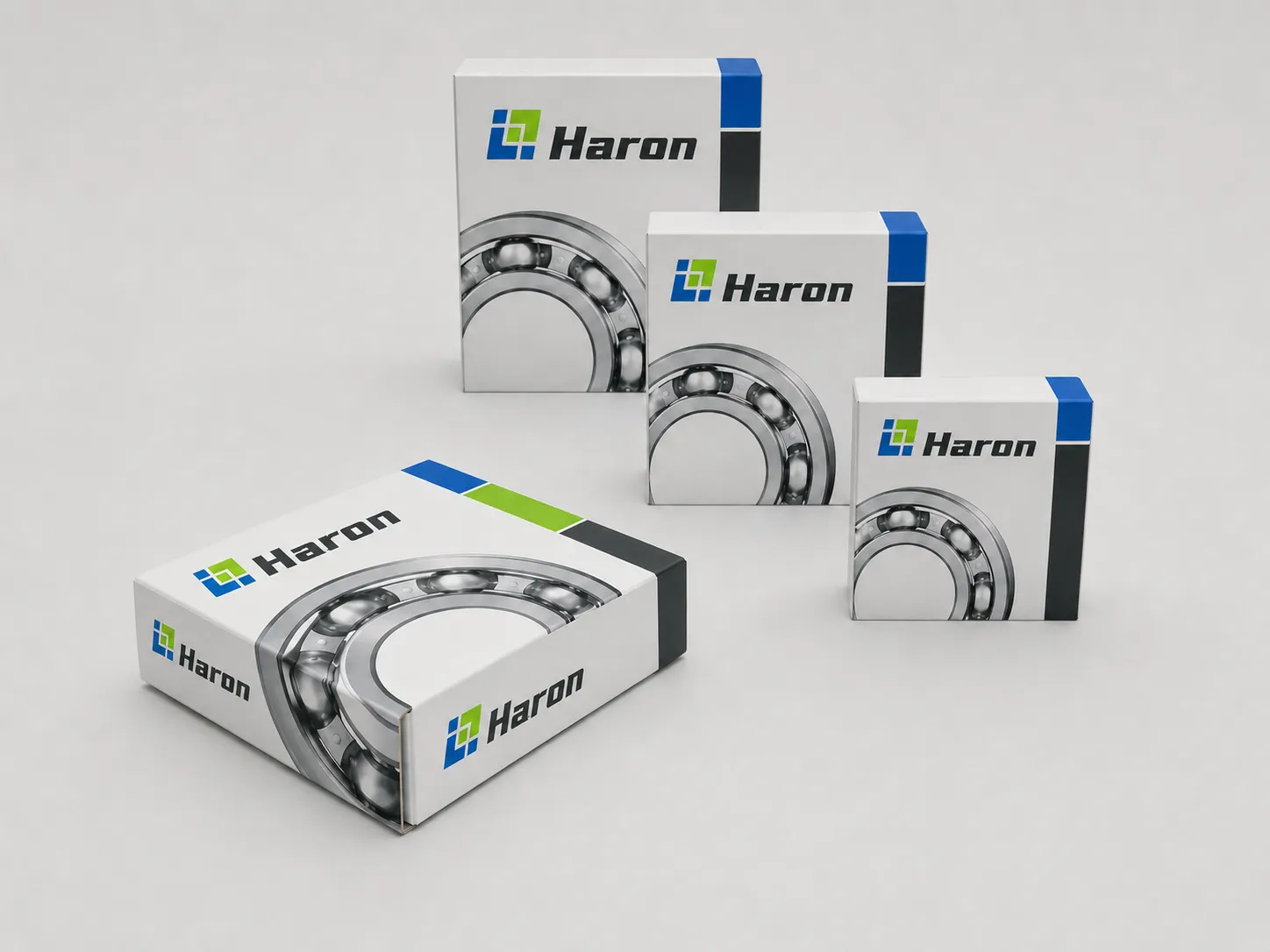
Split Ring Protection
Matched ring halves should be protected and clearly identified to avoid incorrect assembly or mixing during storage.

Carton and Pallet Export
Suitable for sea freight, air freight and long-distance transportation.
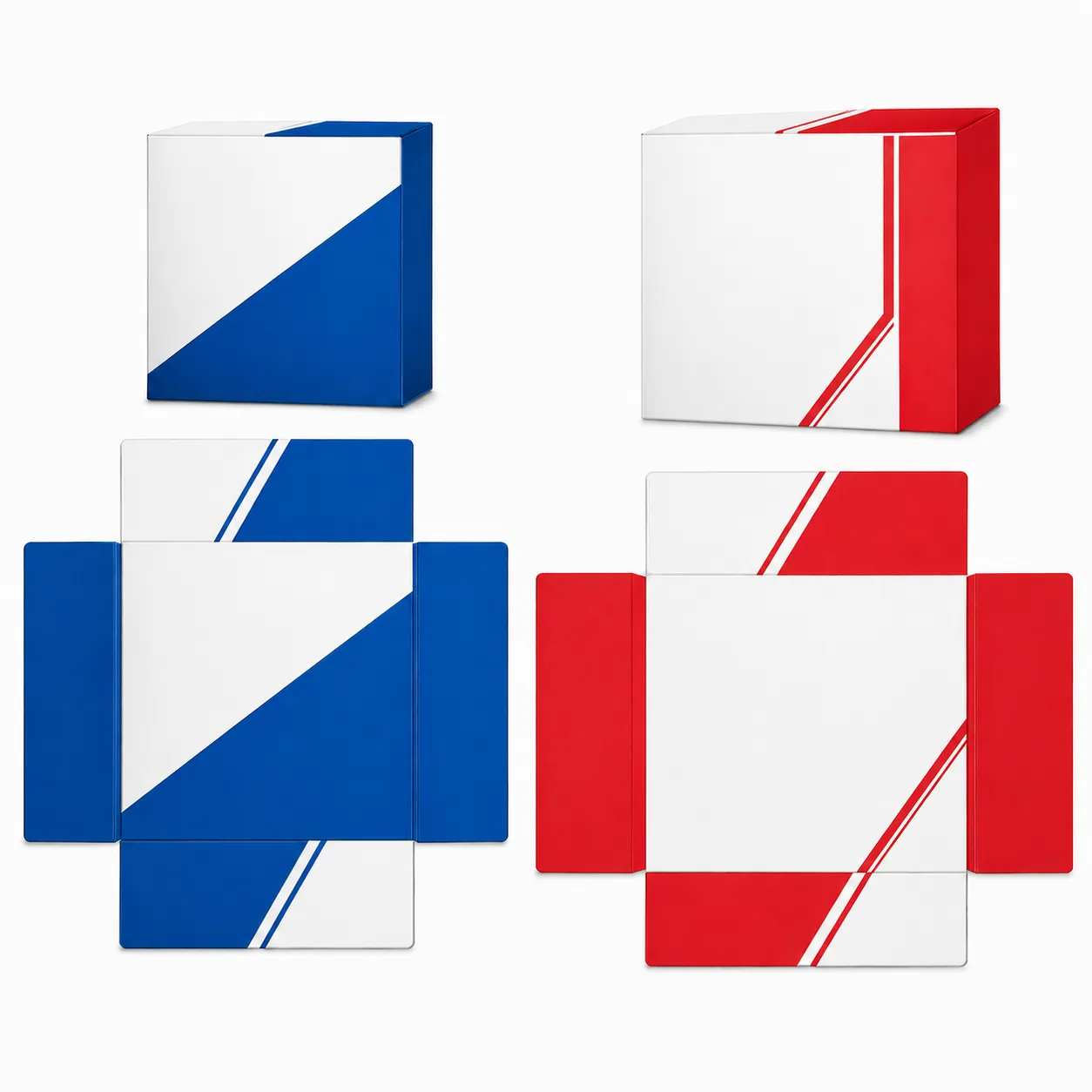
OEM / Private Label
Customer logo, label, barcode and carton marks can be customized if required.
Standard Label Information Includes:
Bearing model, Quantity, Batch number, Precision grade, Axial clearance (if required), Brand, Country of origin, Customer PO number (if required).
Why B2B Buyers Choose Haron Bearing
Reliable manufacturing capacity, strict quality control, and comprehensive documentation support for industrial projects.
Years Experience
Founded in 2000, long-term experience in manufacturing and export.
Production Lines
Stable capacity supports both standard and customized bearing orders.
QC Inspectors
Quality control integrated from incoming material to final shipment.
R&D Engineers
Engineering support for structure, clearance, precision, and application.
Haron Bearing: Precision Four Point Contact Bearing Manufacturer for Industrial Projects
Haron Bearing focuses on manufacturing and exporting precision bearings for industrial equipment and OEM machinery. With more than 20 years of production experience, 400+ employees, 100 advanced production lines, 30 QC inspectors and 15 R&D engineers, we support global buyers with standard bearings, customized bearings, four point contact bearings, thin section bearings, matched bearing sets and OEM packaging.


Key Takeaways About Four Point Contact Ball Bearings
- Four point contact ball bearings are single-row angular contact ball bearings designed for bidirectional axial load.
- They use special raceway geometry to support axial force from both directions.
- QJ series four point contact bearings commonly use a one-piece outer ring and split inner ring structure.
- A four point contact bearing can save axial space compared with using two separate angular contact bearings.
- Four point contact bearings can carry limited radial load, but heavy radial load should usually be supported by a separate radial bearing.
- Common applications include screw compressors, pumps, gearboxes, reducers, rotary tables, robotics, automation equipment and precision machinery.
- Important selection factors include axial load, radial load, moment load, speed, axial clearance, cage material, precision grade, lubrication and mounting method.
- Haron Bearing supports QJ series, high precision, thin section, custom four point contact bearings and OEM packaging.
FAQ About Four Point Contact Ball Bearings
Answers to common engineering and procurement questions.