albertshenjunjie@gmail.com
+85257163675

Industry News & Insights
Stay updated with the latest advancements in high-precision bearing manufacturing, engineering solutions, and global market trends.
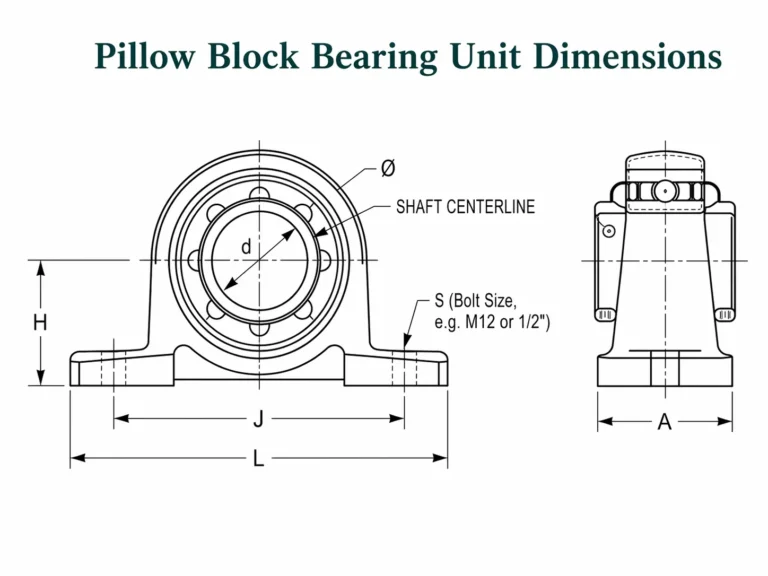
Pillow Block Bearing Size Chart: How to Select the Correct Unit
Selecting the right mounted unit starts with a clear reading of the pillow block bearing size chart: bore (shaft size), housing footprint, pillow block bolt spacing, and pillow block center height. For UCP dimensions in particular, matching shaft tolerance, load, and mounting space prevents misalignment, premature wear, and costly rework—especially when swapping between brands or […]
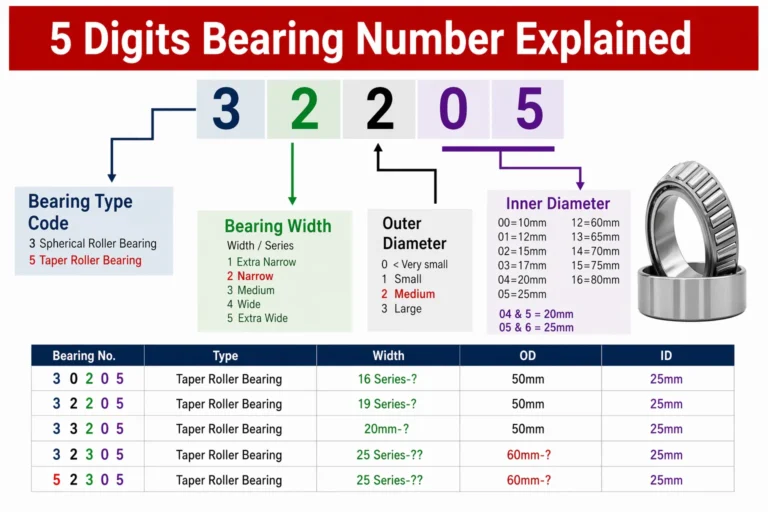
How to Read Bearing Numbers and Bearing Model Codes Correctly
Bearing numbers and bearing model codes are the fastest way to confirm bearing type, dimensions, internal design, accuracy, and mounting details—without guessing or measuring. Once you know how the bearing numbering system is structured (basic designation + prefixes/suffixes), you can match replacements correctly, avoid costly misfits, and standardize purchasing across brands and factories with confidence. […]
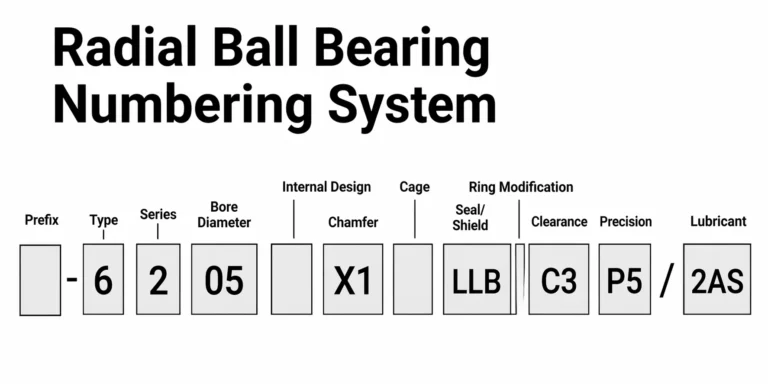
Bearing Cross Reference Guide: How to Replace Equivalent Bearing Models
Selecting an equivalent bearing is safest when you treat the bearing number as a starting point, then verify dimensions, internal design, clearance, cage, seals, and load/speed requirements. A reliable bearing cross reference and bearing interchange guide reduces downtime, but only when you confirm the full specification and application conditions before ordering an OEM bearing replacement […]

How to Choose Bearings for Medical and Dental Equipment
Selecting bearings for medical and dental equipment is a risk-managed engineering decision: you’re balancing speed, noise, sterilization, corrosion resistance, and repeatable precision under strict regulatory expectations. The right choice starts with the application profile (loads, RPM, duty cycle), then narrows by material, sealing, lubrication, and tolerances. This guide outlines a practical selection workflow used for […]

Food-Grade Bearings: Materials, Lubrication, and Hygiene Considerations
Food-grade bearings are engineered to reduce contamination risk while surviving aggressive cleaning, moisture, and chemicals common in food plants. The right combination of corrosion-resistant materials, sanitary sealing, and food grade lubrication helps prevent premature failure and supports audit readiness. This guide explains how to specify food safe bearings for washdown zones, high-load machinery, and hygienic […]

Aerospace Bearings: What Makes a Bearing Suitable for Aviation Applications?
Stainless steel needle roller bearings are a practical choice for food processing and packaging equipment where frequent washdown, chemicals, and moisture are unavoidable. By combining high radial load capacity with corrosion resistance, they help reduce downtime while supporting industrial hygiene programs. Choosing the right stainless grade, sealing, and lubrication strategy is essential for reliability in […]

Stainless Steel Needle Roller Bearings for Food Processing Equipment
Precision systems in robotics, rotary tables, and metrology often fail not from motor choice but from bearing selection. Crossed roller bearings and angular contact bearings can both deliver high precision motion, yet they differ sharply in stiffness, load direction handling, envelope size, and integration complexity. The right choice comes down to how your loads combine […]
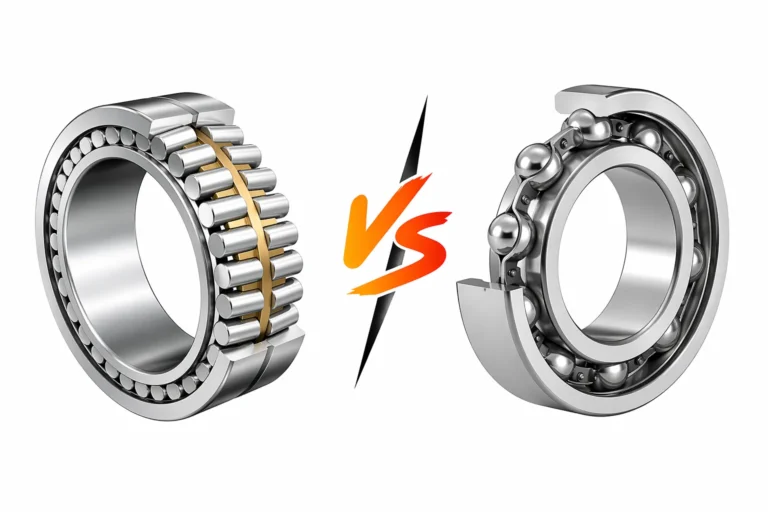
Crossed Roller Bearings vs. Angular Contact Bearings for Precision Systems
Precision systems in robotics, rotary tables, and metrology often fail not from motor choice but from bearing selection. Crossed roller bearings and angular contact bearings can both deliver high precision motion, yet they differ sharply in stiffness, load direction handling, envelope size, and integration complexity. The right choice comes down to how your loads combine […]
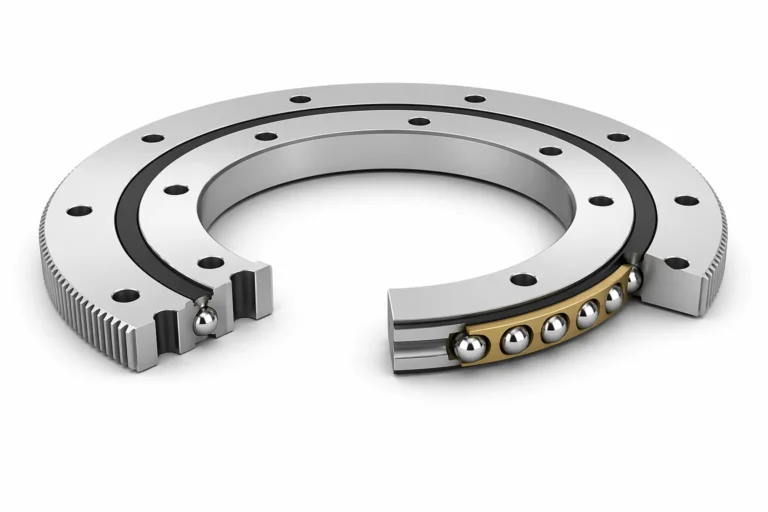
Reali-Slim Bearings Explained: Why Thin Cross-Section Designs Matter
Thin cross-section bearings—often discussed under reali slim bearings, slim section bearings, or thin section bearing design—solve a common engineering problem: keeping high rotational accuracy when space and weight are limited. They enable compact rotary bearings for robots, indexing tables, medical devices, and other precision compact assemblies where traditional bearing envelopes are too bulky. Video Guide: […]
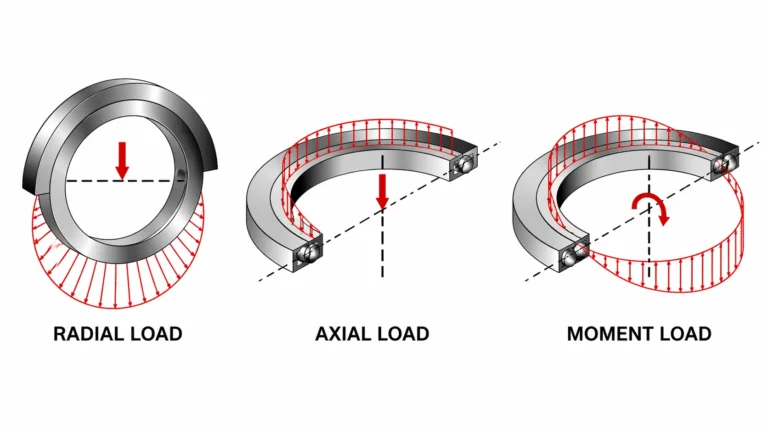
Understanding Thin Section Bearing Load Capacity in Compact Designs
Thin section bearings enable compact, lightweight assemblies while still carrying meaningful radial and axial loads, but their reduced cross-section makes load rating, stiffness, and mounting precision far more sensitive than standard bearings. Designing for thin wall bearing load performance requires balancing dynamic/static ratings, contact stress, deflection, and fit-up. This guide explains thin section bearing load […]