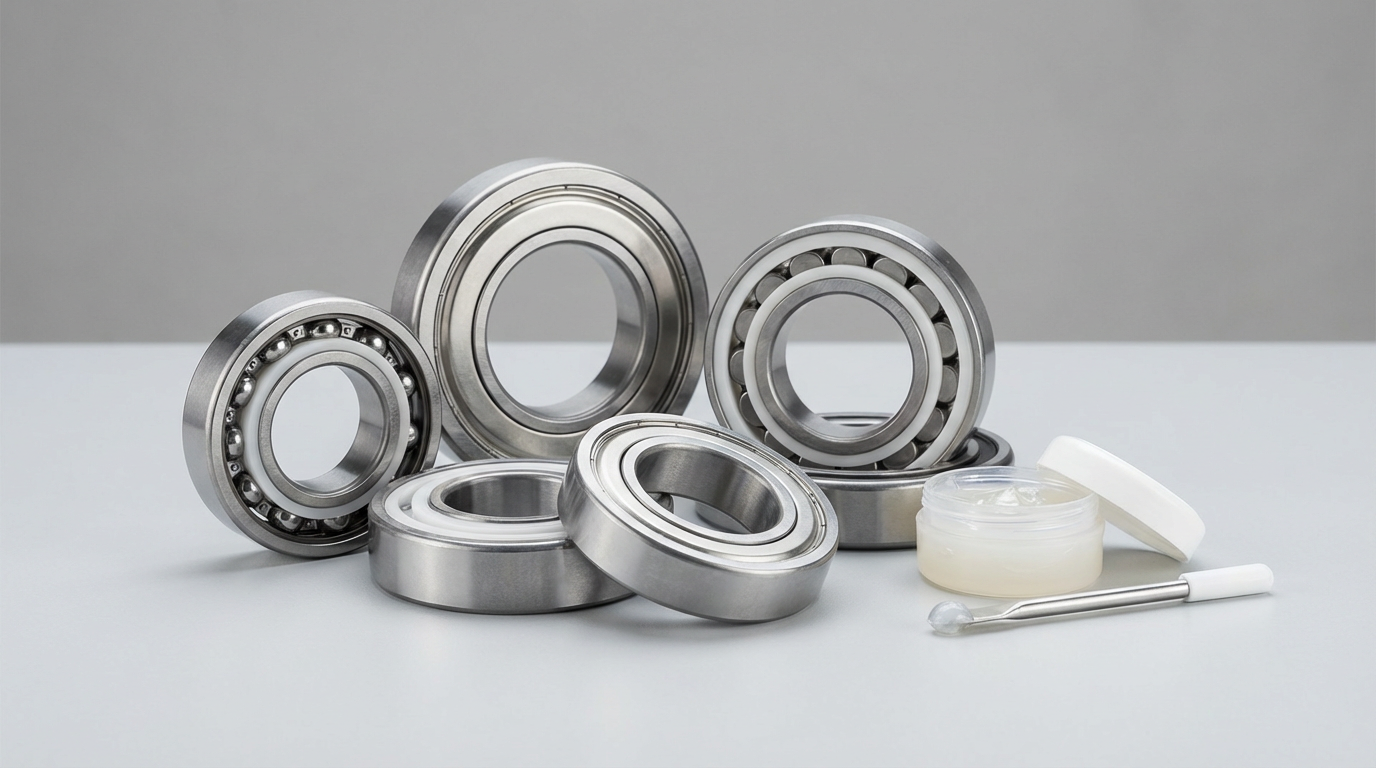
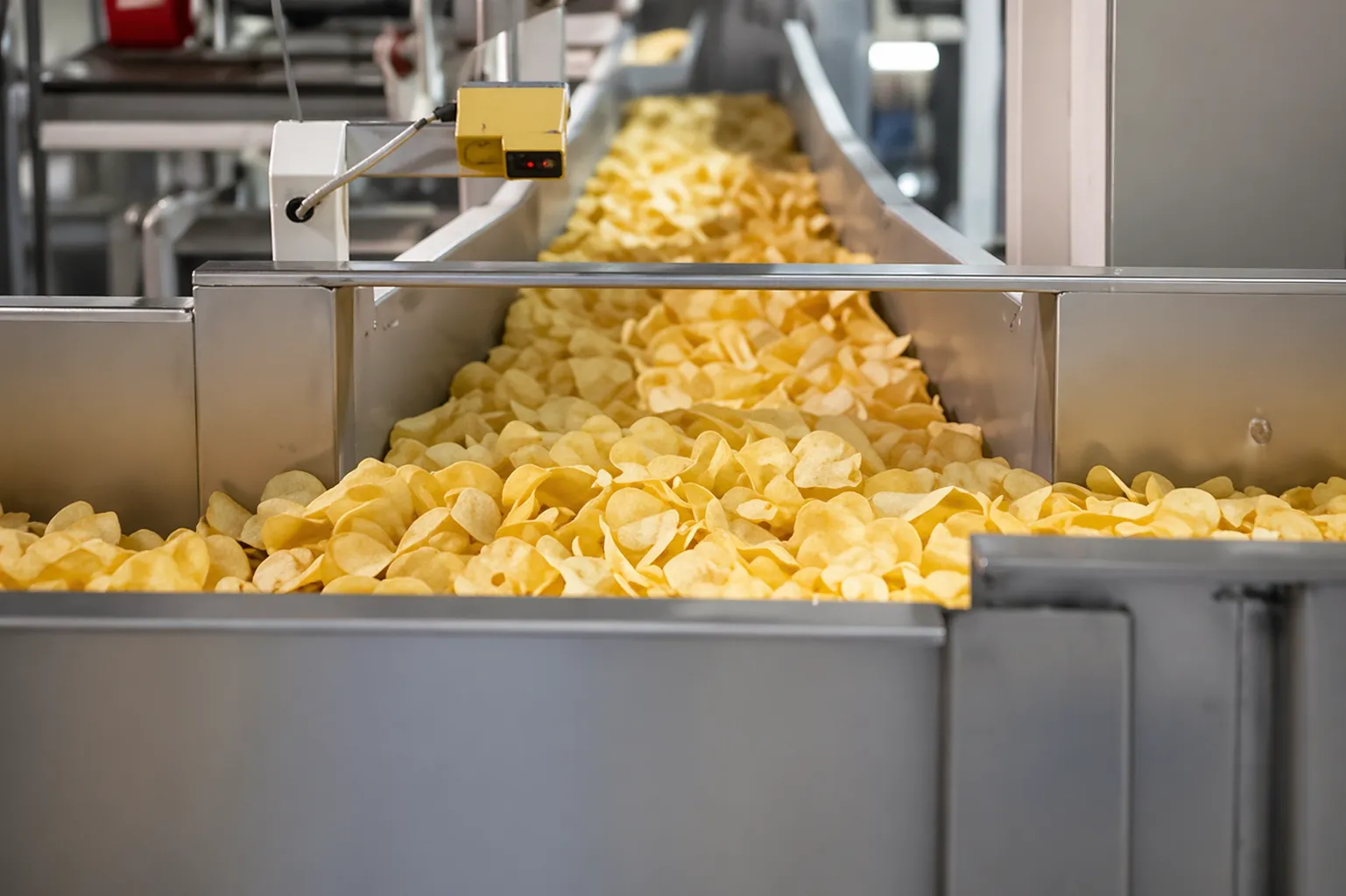
Food-grade bearings are engineered to reduce contamination risk while surviving aggressive cleaning, moisture, and chemicals common in food plants. The right combination of corrosion-resistant materials, sanitary sealing, and food grade lubrication helps prevent premature failure and supports audit readiness. This guide explains how to specify food safe bearings for washdown zones, high-load machinery, and hygienic designs—aligned with practical maintenance needs from Haron Bearing.
Video Guide: This overview helps connect food and beverage lubrication practices to bearing reliability and contamination control.
What are food grade bearings and where are they used?
Food grade bearings (food safe bearings) are bearing assemblies designed to operate in food machinery while minimizing contamination risks. They typically use corrosion resistant materials (often stainless steel food bearings such as 316 stainless), hygienic bearing design features, robust sealing for washdown, and NSF-compliant bearing grease to support sanitation and regulatory expectations.
Video Guide: This shows how hygienic stainless bearing solutions are built for wet, washdown-heavy food industry environments.
Where they are used and what “food safe” really means
Food processing equipment bearings appear across mixers, conveyors, slicers, fillers, packaging lines, and washdown-rated drive systems. “Food safe” does not mean the bearing touches food directly; it means the risk of contaminating product is reduced through material selection, sealing, and appropriate lubricants—especially under frequent sanitation cycles.
Key elements commonly expected in sanitary bearings include:
- Corrosion resistance: stainless and/or coated components for moisture, salt, and cleaning chemicals.
- Hygienic geometry: smooth surfaces, minimized crevices, and drainable features to reduce harborage.
- Sealing strategy: contact seals, labyrinths, or protective housings tuned for washdown vs speed/temperature.
- Food grade lubrication: food-grade lubricants to manage incidental contact risk.
- Maintainability: relubrication approach (sealed-for-life vs regreasable) matched to plant SOPs.
Haron Bearing Pro Tip: I treat “food grade bearings” as a system spec—bearing + seal + grease + mounting + cleaning method. If any one piece is mismatched (especially seal type vs washdown pressure), the line will fail early even with premium 316 stainless food bearings.
How do food grade bearings work in food processing equipment?
Food grade bearings work like standard rolling bearings—balls or rollers reduce friction between rotating parts—but are optimized for hygiene and washdown. Corrosion resistant food bearings use stainless or protected metals, seals block water and debris ingress, and NSF bearing grease provides lubrication that supports incidental-contact safety while maintaining film strength under load and cleaning cycles.
Video Guide: This demonstrates food-industry bearing unit concepts for wet areas, including sealing approaches designed for washdown exposure.
How the bearing survives washdown, chemicals, and heat
In food zones, failure modes are often driven less by fatigue life and more by contamination and corrosion. Washdown bearings for food industry applications rely on a balanced design: tighter sealing reduces water entry but can increase heat; stainless improves corrosion resistance but may change load ratings and galling behavior; grease choice impacts both safety and service interval.
Common functional mechanisms to understand:
- Lubrication film formation: grease/oil separates rolling elements from races to prevent metal-to-metal contact.
- Ingress protection: seals and shields restrict water, caustic foam, sugar dust, flour, and proteins from entering.
- Corrosion control: stainless steel food bearings (often 304/316) and passivation reduce pitting and rust staining.
- Retention under cleaning: thickener type and base oil viscosity help grease resist washout and emulsification.
- Hygienic mounting: pillow blocks and housings should avoid flat ledges and allow drainage where possible.
Haron Bearing Pro Tip: If a “washdown bearing” runs hot after sanitation, I first check seal drag and over-greasing—not the shaft alignment. In wet zones, too much grease can churn, raise temperature, and push contaminants past seals.
What type of lubricant should be used on food processing equipment?
Use food grade lubrication that matches the exposure risk and operating conditions: typically NSF H1 grease or oil for incidental food contact, selected for washout resistance, load (EP/AW) needs, temperature range, and compatibility with seal elastomers. For washdown bearings, prioritize water resistance and corrosion protection over generic multi-purpose grease.
Video Guide: This provides practical guidance on selecting food-grade lubricants with food safety and plant reliability in mind.
Selecting NSF-class lubricants without sacrificing bearing life
Food plants commonly standardize lubricants to reduce mixing errors, but bearings vary widely by speed, load, temperature, and cleaning method. Selection should start with the contamination category, then move to performance factors.
A practical selection checklist:
- NSF category:
- H1: incidental contact possible (most common for bearings in processing/packaging areas).
- H2: no contact expected (typically non-food areas; often not allowed near open product).
- 3H: direct food contact (release agents; generally not for rolling bearings).
- Washout resistance: critical for high-pressure rinse, foaming detergents, and hot water.
- Base oil viscosity: higher for heavy loads/low speed; lower for high speed/low temperature.
- Additives: choose food-approved EP/AW packages where needed (gear-driven bearings, shock loads).
- Compatibility: verify compatibility with existing grease (thickener type) and with seals (NBR/EPDM/FKM).
- Relube strategy: regrease intervals must match line access and sanitation schedule.
Haron Bearing Pro Tip: I recommend treating grease changeovers like an ingredient change—label guns, color-code cartridges, and purge fully. Most “mystery failures” I see come from mixing incompatible thickeners or using the right NSF grade but the wrong viscosity for the bearing speed.
What makes a bearing food grade?
A bearing is considered food grade when its design and supporting components reduce contamination risk and suit sanitary environments. This usually includes corrosion resistant food bearings (often stainless steel), hygienic bearing design that avoids dirt traps, effective sealing for washdown, and the use of NSF-compliant bearing grease or sealed-for-life lubrication aligned to food processing equipment requirements.
Video Guide: This illustrates a food-contact-safe bearing solution concept and how material choices support hygiene-focused applications.
Core criteria auditors and engineers look for
“Food grade” is not a single universal engineering standard for bearings; it’s a practical specification combining material, cleanability, lubrication, and process risk. In purchasing and QA discussions, the most defensible approach is to document why each design choice reduces risk in the specific zone (wet, dry, splash, or non-product).
Key criteria to document:
- Material compliance and corrosion resistance:
- 316 stainless food bearings for chloride-rich washdown or brine exposure.
- 304 stainless for less aggressive environments.
- Polymer cages or stainless cages depending on temperature/chemicals.
- Hygienic design features: smooth housings, minimal crevices, drainability, cleanable seal interfaces.
- Sealing method and rating: sealing adequate for pressure/temperature without excessive friction.
- Lubricant documentation: NSF listing, supplier declarations, and internal lubricant control procedures.
- Traceability and change control: consistent bill of materials and controlled substitutions.
Haron Bearing Pro Tip: When customers ask me to “quote food grade bearings,” I always ask for the zone (open product vs enclosed), cleaning chemistry, and washdown pressure. Without that, you risk overspending on 316 stainless or underspecifying seals and paying for downtime later.
What should you lubricate bearings with?
Lubricate bearings with a grease or oil specified by speed, load, temperature, and contamination risk—then ensure it is food grade lubrication (typically NSF H1) where incidental contact is possible. For stainless steel food bearings in washdown zones, choose a grease engineered for water washout resistance, corrosion inhibition, and mechanical stability to avoid purge-out during cleaning.
Video Guide: This focuses on storage and handling practices that keep food-grade lubricants clean and audit-ready before they ever reach the bearing.
A field-ready approach: the right product plus the right method
Even the correct grease fails if application practices introduce water, dirt, or overpacking. A strong program pairs a standardized lubricant set with disciplined delivery and verification.
Recommended lubrication practices:
- Use dedicated, sealed grease guns (one grease per gun; clear labeling and caps).
- Clean the grease fitting and area first to avoid injecting debris into the raceways.
- Apply small, measured amounts—avoid churn and heat from over-greasing.
- Relube based on environment, not calendar only: washdown frequency can cut intervals dramatically.
- Purge thoughtfully: in food areas, purge just enough to refresh grease without creating excess discharge risk.
- Record lubricant type and amount for maintenance traceability and audit support.
Haron Bearing Pro Tip: I prefer measured relube volumes (grams or pump counts) tied to each asset. In sanitary areas, “until you see purge” can create housekeeping issues and, worse, product contamination exposure if excess grease migrates.
Key Features & Comparison
Food grade bearings differ mainly in corrosion resistance, sealing, and lubrication strategy—features that determine whether they survive washdown and meet hygiene expectations. Comparing 316 stainless food bearings vs coated steels, sealed-for-life vs relubricatable units, and NSF bearing grease performance helps match sanitary bearings to each machine zone and sanitation routine.
Video Guide: This explains food-grade lubricant concepts that directly influence bearing selection, relube intervals, and washdown reliability.
Feature trade-offs that matter on real food lines
Based on our internal data and market analysis, here is the breakdown:
| Feature / Option | Best Fit Use Case | Advantages | Limitations / Watchouts |
|---|---|---|---|
| 316 stainless food bearings | Wet zones, chloride exposure, aggressive detergents | Highest corrosion resistance; reduced rust staining risk | Higher cost; can be more sensitive to galling if misapplied; verify load ratings |
| 304 stainless steel food bearings | Moderate washdown, less chloride | Good corrosion resistance at lower cost | Can pit in harsh chemical/chloride environments |
| Coated corrosion resistant food bearings (steel + coating) | Splash zones, cost-sensitive lines | Good corrosion protection; often strong load capacity | Coating damage can become corrosion initiation points; inspect regularly |
| Sealed-for-life sanitary bearings | Hard-to-access locations, consistent duty cycles | Lower maintenance; reduces lube handling risk | Life depends on seal integrity and heat; not forgiving if washdown is severe |
| Relubricatable washdown bearings | Heavy washdown, variable duty, higher loads | Grease refresh improves life; flexible intervals | Requires strong lube control to prevent wrong grease and contamination |
| NSF H1 bearing grease (washout-resistant) | Open-product risk areas | Food safety alignment; good water resistance when properly selected | Not all H1 greases handle the same loads/temps—spec carefully |
| Hygienic bearing design housings | Areas audited for sanitation | Easier cleaning; fewer harborage points | May need specific mounting and alignment practices |
| High-performance seals (contact/labyrinth hybrids) | High-pressure rinse zones | Better ingress control | Can increase friction/heat; confirm speed and temperature margins |
Haron Bearing Pro Tip: I match seal type to the cleaning method first (pressure, temperature, chemistry), then select bearing material (304/316/coated). In washdown bearings for food machinery, seals usually decide service life more than the steel grade.
Cost & Buying Factors
The cost of food grade bearings is driven by stainless grade (especially 316 stainless food bearings), sealing complexity for washdown, lubricant approach (sealed vs regreasable), and documentation needs like NSF bearing grease compliance. Buying decisions should weigh downtime cost, sanitation frequency, and corrosion exposure—not just unit price—especially for food processing equipment bearings.
Video Guide: This helps evaluate lubricant performance at elevated temperatures, which often drives both bearing life and total operating cost in food plants.
A practical pricing and specification checklist
Key buying factors that typically move total cost up or down:
- Environment severity: high-pressure hot washdown + caustic/acid cycles typically requires better seals and materials.
- Material selection: 316 stainless costs more, but can be cheaper than repeated replacements in chloride-rich zones.
- Bearing unit style: insert + housing vs integrated hygienic units; drainable housings often cost more.
- Lubrication strategy: sealed-for-life reduces routine labor; regreasable reduces replacement frequency in harsh washdown.
- Lead time and standardization: standardizing sizes and units reduces spares inventory and expedite costs.
- Compliance documentation: lubricant NSF listings, material declarations, and traceability support audits and change control.
Buying checklist (send to your supplier):
- Machine and bearing size, speed (RPM), load, and duty cycle.
- Zone classification (wet/dry/splash; open product proximity).
- Cleaning method (pressure, water temp, chemicals, frequency).
- Preferred material (304/316/coated) and any plant standards.
- Sealing requirements and relube access constraints.
- Lubricant requirement (NSF H1, temperature range, washout resistance).
- Target life, spares strategy, and failure history (corrosion, washout, overheating).
Haron Bearing Pro Tip: I ask customers to price two scenarios: (1) lower-cost bearing with more frequent planned replacement and (2) premium washdown bearing with longer intervals. When you add labor, sanitation downtime, and scrap risk, the “expensive” option is often the cheapest.
Conclusion
Food grade bearings succeed when material choice, hygienic bearing design, sealing, and food grade lubrication are specified together for the real sanitation regime. For washdown bearings, corrosion resistant food bearings (often stainless steel food bearings, including 316 stainless) and correctly selected NSF bearing grease are the practical foundation for longer life and lower contamination risk. If you share your application details, Haron Bearing can recommend a bearing-and-lubrication specification aligned to your line conditions.