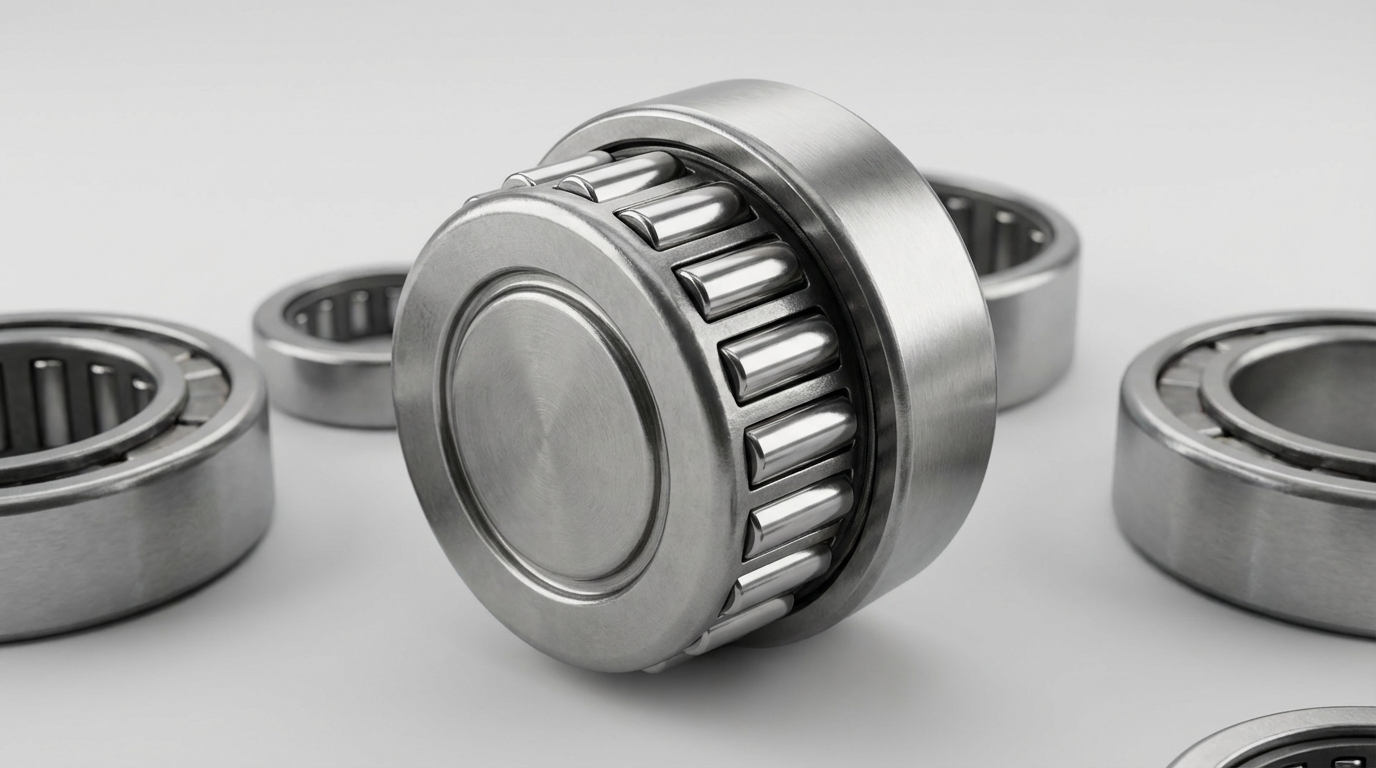
Stainless steel needle roller bearings are a practical choice for food processing and packaging equipment where frequent washdown, chemicals, and moisture are unavoidable. By combining high radial load capacity with corrosion resistance, they help reduce downtime while supporting industrial hygiene programs. Choosing the right stainless grade, sealing, and lubrication strategy is essential for reliability in wet environments and regulated lines.
Video Guide: This overview shows hygienic stainless bearing concepts relevant to washdown and food-industry contamination control.
What are stainless steel needle roller bearings for food processing?
Stainless steel needle roller bearings for food machinery are compact rolling-element bearings that use long, thin rollers to carry high radial loads while minimizing space. In food processing and packaging, stainless construction (often 316 stainless steel) improves corrosion resistance during washdown, supports hygiene requirements, and reduces rust-related failures in wet environments.
Video Guide: This explains what needle roller bearings are and why their geometry delivers high load capacity in a compact envelope.
Product Definition and Typical Configurations
In food-grade applications, “needle roller bearing” usually refers to one of these configurations:
- Drawn cup needle roller bearings: Thin outer shell, space-saving; best where housing strength is adequate.
- Machined ring needle roller bearings: More robust rings for higher rigidity and better geometry control.
- Caged needle roller assemblies: Maximum space efficiency when the shaft and housing act as raceways.
- Sealed/closed-end variants: Help reduce ingress of water, cleaners, and food residue.
Key selection terms you’ll see on hygienic lines:
- Corrosion resistant needle bearings: Stainless materials and/or corrosion-protective design details.
- Food grade stainless bearings: Typically paired with NSF H1 food-grade lubricants and cleanable geometries.
- 316 stainless needle bearings: Preferred when chloride exposure is meaningful (salts, brines, certain cleaners).
Haron Bearing Pro Tip: If your washdown uses chlorinated or high-chloride chemistry, treat “stainless” as a material family—not a guarantee. Confirm the exact stainless grade (and any heat-treatment limits) before locking the bearing into a packaging machine BOM.
How do stainless steel needle roller bearings work in food processing applications?
Stainless needle roller bearings work by distributing radial loads through multiple small-diameter rollers, creating a large contact area in a compact space. In food processing equipment, the stainless rings/rollers resist corrosion, while correct internal clearance, surface finish, and sealing help maintain smooth rotation despite washdown, temperature swings, and contamination risks.
Video Guide: This demonstrates a cage-guided needle bearing concept and how guidance influences stability and friction under load.
Load Transfer, Guidance, and Hygiene-Driven Design
Needle bearings primarily handle radial loads. The rollers “share” the load around the circumference, which is why the bearing can be compact yet strong.
Important functional elements in wet, hygienic environments:
- Raceways (shaft/housing or inner/outer rings)
- Surface hardness and finish matter; poor finish accelerates wear and fretting.
- Roller guidance (cage-guided vs full complement)
- Cage-guided designs can reduce friction and heat at higher speeds.
- Full complement can increase load capacity but may run hotter and be less forgiving at speed.
- Internal clearance & fits
- Washdown temperature changes and housing materials can alter effective clearance; fits should avoid preload unless intentional.
- Sealing strategy
- Seals reduce ingress but can increase torque and trap chemicals if not specified correctly.
Haron Bearing Pro Tip: In washdown zones, sealing is only half the battle—your shaft/housing finish and drain paths determine whether chemicals sit at the lip. Design the surrounding hardware to shed water so the bearing isn’t acting like a “chemical cup.”
What are the benefits of stainless steel needle roller bearings for food processing?
The main benefits are corrosion resistance, high radial load capacity in tight spaces, and better uptime on washdown-heavy food lines. Stainless needle bearings help limit rust contamination risk, support industrial hygiene goals, and maintain consistent motion in conveyors, slicers, fillers, and packaging machines where water, foam, and cleaning agents are routine.
Video Guide: This shows a needle roller bearing application example, helping connect bearing advantages to real machine layouts.
Benefits That Matter on Food and Packaging Lines
Key advantages, mapped to common food machinery pain points:
- Corrosion resistance
- Reduced pitting/rust in wet environments and during chemical exposure.
- Compact load capacity
- Useful in tight packaging modules, guide rollers, and compact conveyor assemblies.
- Hygiene support
- Lower risk of rust particles; easier to align with sanitation SOPs when paired with correct lubrication.
- Operational stability
- Better handling of shock and radial loads vs many small ball bearing options of similar envelope.
- Potential for longer service intervals
- When sealing + lubrication + metallurgy match the washdown regime.
Haron Bearing Pro Tip: Don’t assume “food grade stainless bearings” means the whole system is compliant—your grease, relube method, and purge practices must match the plant’s HACCP/SSOP requirements to truly reduce contamination risk.
How do you maintain stainless steel needle roller bearings for food processing?
Maintain stainless needle roller bearings by controlling washdown exposure, using food-grade lubrication correctly, and inspecting seals and raceways on a schedule. The best results come from matching grease type to temperature and chemicals, preventing pressure-washer intrusion, and tracking vibration/temperature trends to catch water ingress before it causes corrosion or spalling.
Video Guide: This reviews needle bearing features and application considerations that connect directly to maintenance checks and failure modes.
Maintenance Checklist for Washdown and Hygienic Areas
Recommended routine (adapt to your sanitation SOPs and duty cycle):
- Post-washdown checks
- Confirm no direct high-pressure jet is aimed at seal lips.
- Look for milky grease purge (water contamination indicator).
- Lubrication control
- Use NSF H1 grease where incidental contact is possible.
- Avoid over-greasing small needle bearings (heat + churning).
- Seal and hardware inspection
- Check seal lips for cuts, hardening, or chemical swelling.
- Verify shaft wear grooves at seal contact points.
- Condition monitoring
- Trend temperature, noise, and vibration at consistent load/speed.
- Sanitation chemical compatibility review
- Validate bearing materials + grease compatibility with foams, acids, caustics, and disinfectants used on-site.
Haron Bearing Pro Tip: If you see repeat failures after “improving” sanitation, it’s often pressure/angle, not frequency. Reduce nozzle pressure near bearings, change spray angle, and add simple shields—these changes usually outperform switching bearing models.
What is the price of stainless steel needle roller bearings for food processing?
Pricing varies widely because stainless needle roller bearing cost is driven by size, stainless grade (e.g., 316), sealing, cage design, and any hygienic modifications. For food packaging machines, unit prices typically increase with tighter tolerances, premium corrosion resistance, and validated lubrication/seal options designed for washdown and chemical exposure.
Video Guide: This provides a general look at needle roller bearing product forms, which helps explain why different constructions and sizes price differently.
Practical Price Drivers and What to Request in Quotes
When quoting “washdown needle bearings” for food machinery, ask suppliers to specify:
- Material callout (rollers, rings, cage, and any inserts): 304 vs 316 vs mixed stainless.
- Construction: drawn cup vs machined ring vs assembly-only.
- Sealing: open, single-lip, double-lip; contact vs non-contact; seal material.
- Clearance/tolerance class: tighter classes cost more and may be unnecessary at low speeds.
- Lubrication: dry, lightly oiled, or pre-greased with NSF H1 options.
- Quality documentation: material certs, RoHS/REACH where needed, traceability level.
Haron Bearing Pro Tip: To avoid overpaying, quote two versions: (1) the “sanitation critical” bearing with upgraded seals/316, and (2) a cost-optimized stainless option for non-product zones. Many lines only need premium washdown bearings at specific stations.
Key Features & Comparison
Based on our internal data and market analysis, here is the breakdown:
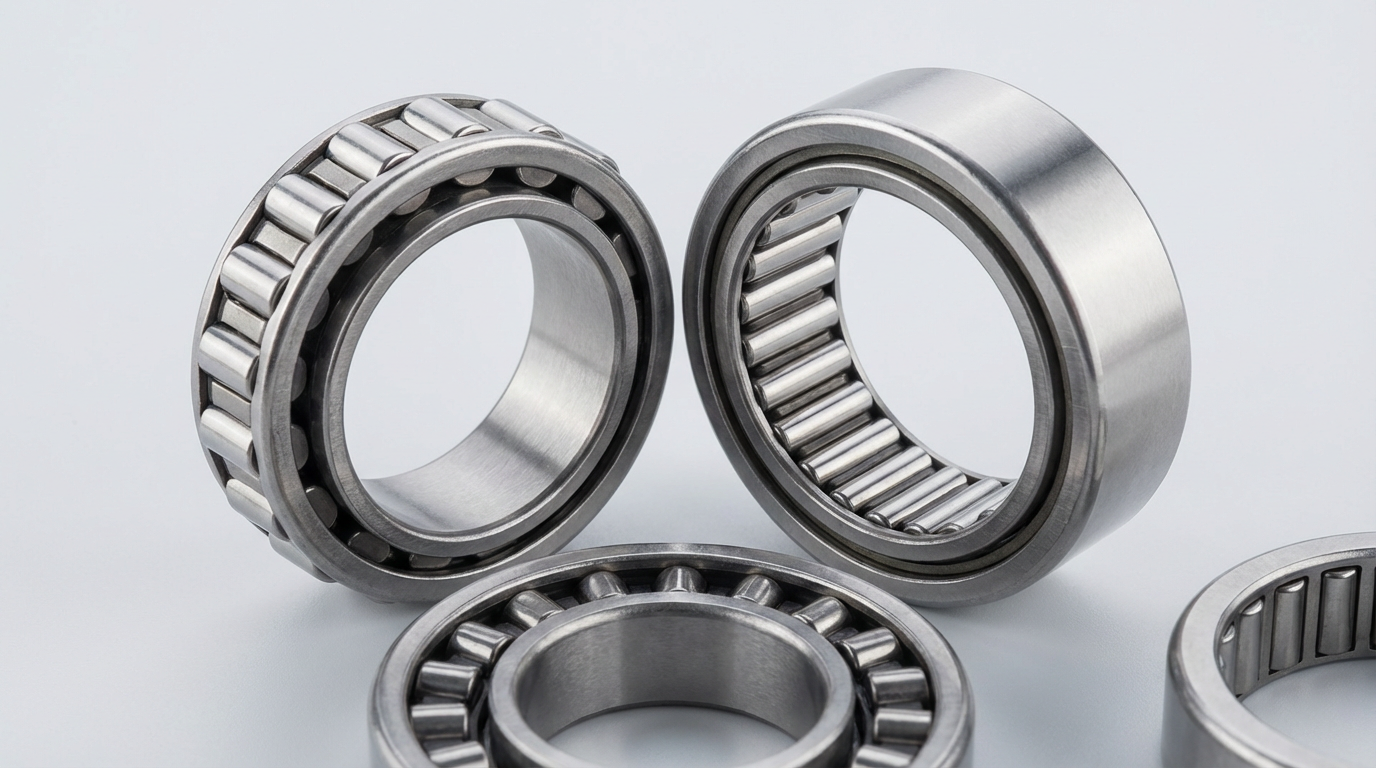
| Feature / Decision Point | 304 Stainless Needle Bearings | 316 Stainless Needle Bearings | Standard Steel Needle Bearings |
|---|---|---|---|
| Corrosion resistance in washdown | Good | Excellent (especially against chlorides) | Poor to fair (coatings help, but risk remains) |
| Typical food-line fit | Wet zones with moderate chemicals | Wet + aggressive chemicals/brine zones | Dry zones or fully shielded locations |
| Contamination risk from rust | Low | Very low | Higher |
| Cost level | Medium | Medium-high to high | Low |
| Availability / lead time | Often strong | Can be more variable | Strong |
| Best practice pairing | NSF H1 grease + suitable seals | NSF H1 grease + high-integrity seals + compatible elastomers | If used in food plants: isolate from washdown and product areas |
Haron Bearing Pro Tip: If you’re unsure between 304 and 316, audit the cleaning chemistry first. Chlorides and certain disinfectants can turn a “good enough” stainless choice into a chronic downtime problem.
Cost & Buying Factors
Total cost is usually determined more by uptime and sanitation compatibility than by the bearing’s unit price. For Haron Bearing procurement, focus on these buying factors:
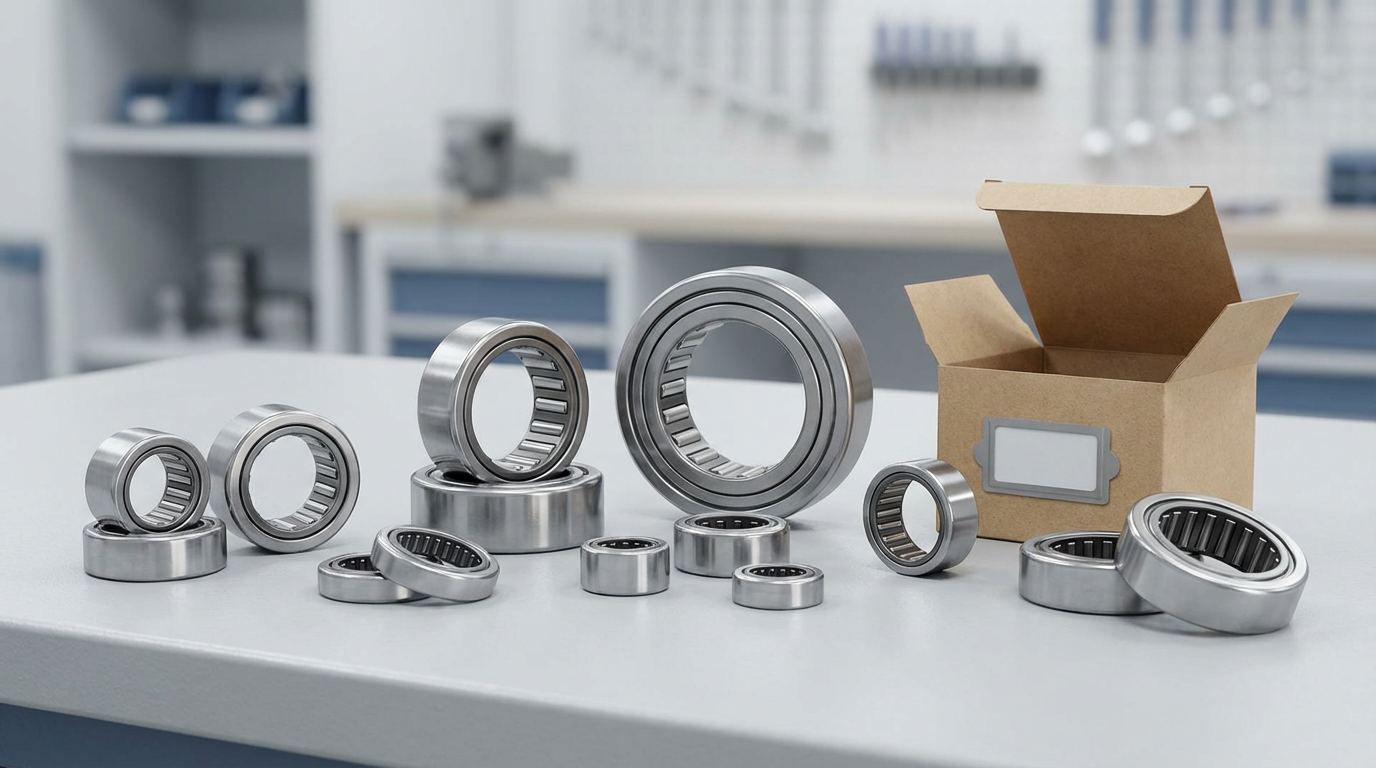
- Zone classification (product contact, splash, non-splash): drives stainless grade, sealing, and grease requirements.
- Washdown method (pressure, temperature, chemical set): determines seal type and material compatibility.
- Speed and duty cycle: influences cage choice, lubrication interval, and heat generation.
- Mounting surfaces (shaft/housing as raceways vs inner/outer rings): affects hardness/finish requirements and service life.
- Spare strategy: standardized sizes across packaging machines reduce inventory and changeover time.
Haron Bearing Pro Tip: The fastest way to a correct selection is sending three items with your RFQ: washdown chemical list, operating temperature range, and a simple cross-section showing seals/shields. That information prevents “guessing” and avoids costly rework later.
Conclusion
Stainless steel needle roller bearings are a strong fit for food processing and food packaging equipment where compact load capacity and corrosion resistance are both mandatory. The best results come from pairing the right stainless grade (often 316 in harsh washdown) with correct sealing, food-grade lubrication, and sanitation-aware machine design. Haron Bearing can help match bearing construction to your wet-environment risk and uptime targets.