
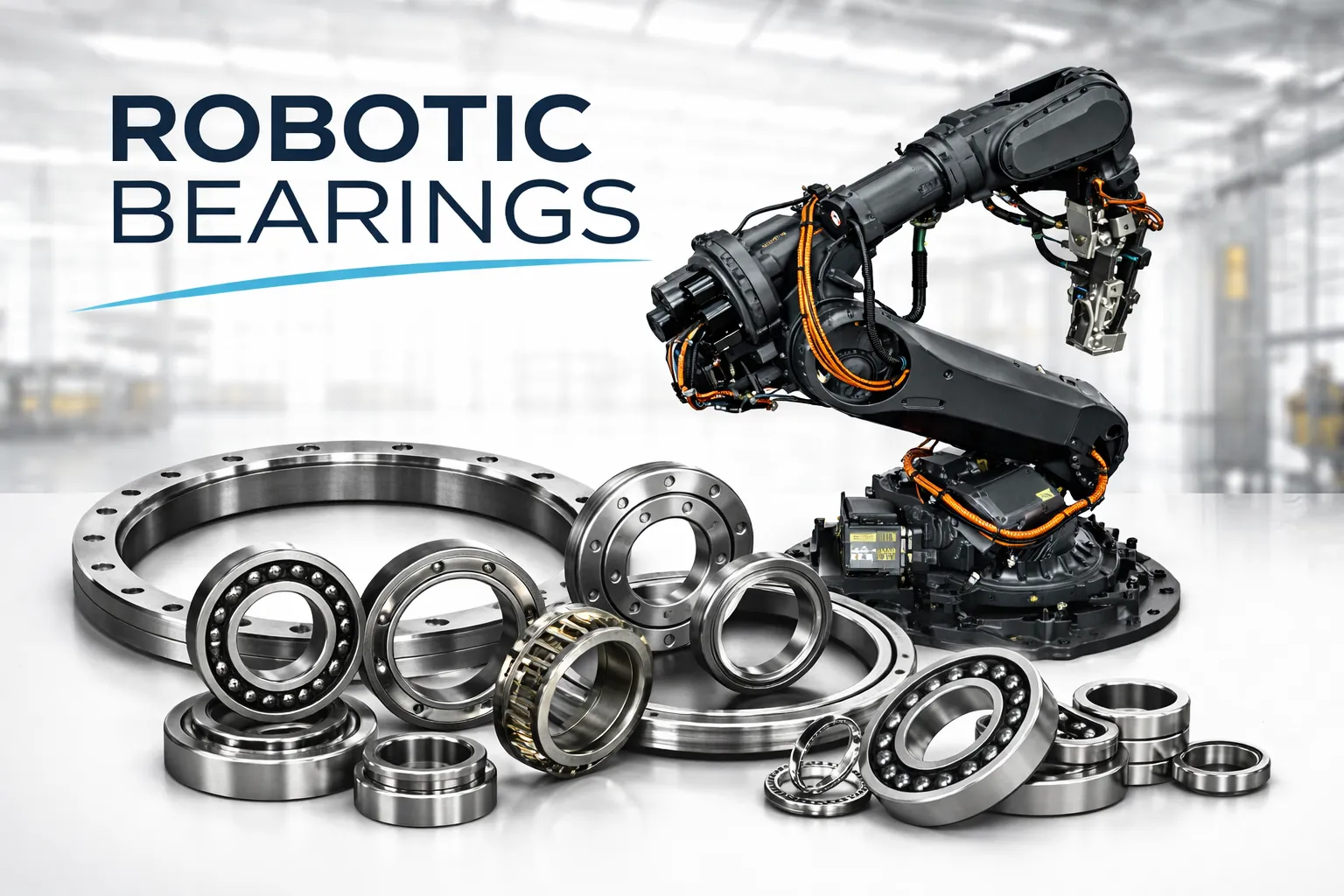
Robot bearing trends are moving toward higher speed, precision, and safer human-adjacent use. Buyers should focus on lower friction, longer grease life, cleaner operation, and smarter monitoring to improve uptime, accuracy, and total cost of ownership.
Video Guide: A practical overview of manufacturing-focused robotics trends that indirectly drive bearing requirements like precision, uptime, and maintainability.
What is Future Trends in Robot Bearings?
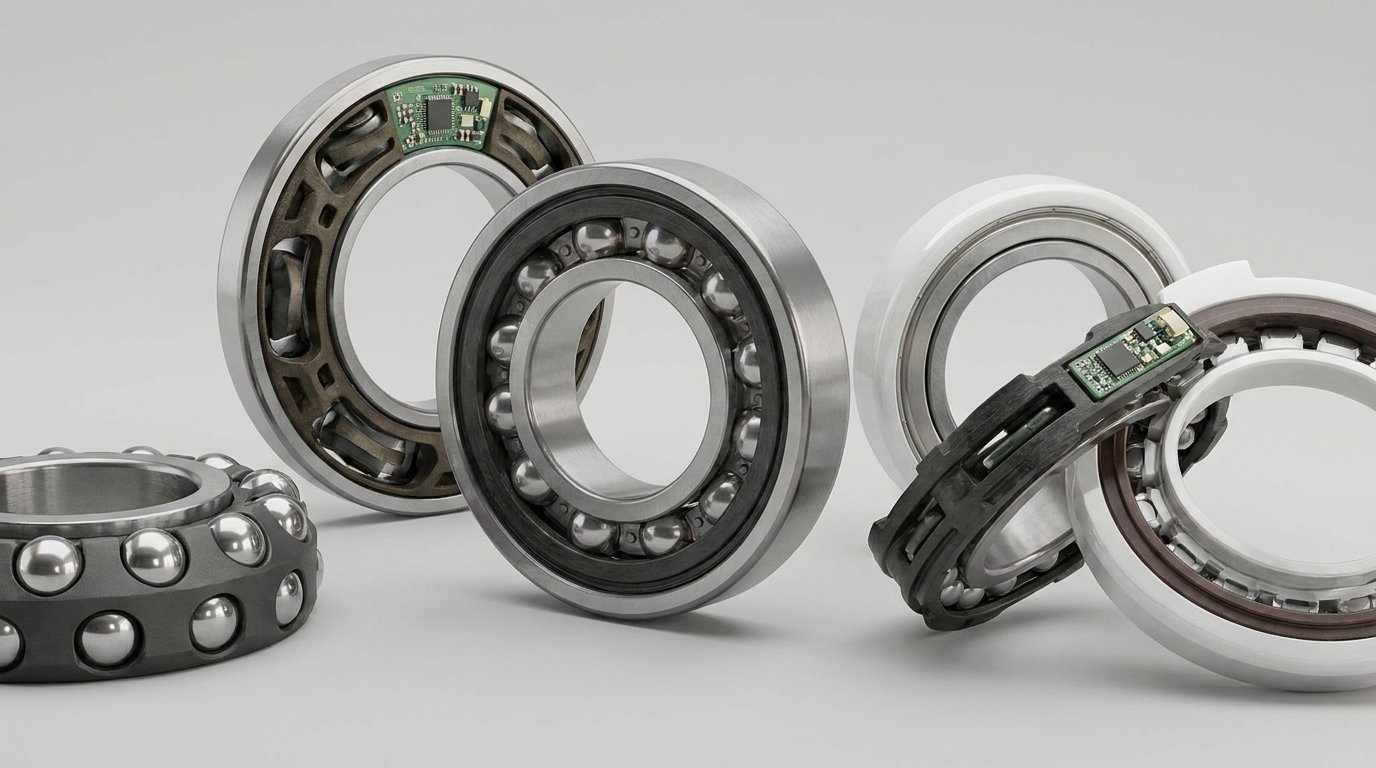
Robot bearings are integral components that support the movement and functionality of robotic systems. The future trends involve advancements in materials, such as ceramics and composites, which enhance performance and extend lifespan. Additionally, the integration of smart technologies allows for real-time monitoring, improving maintenance and efficiency.
Advancements in Material Technology
The future of robot bearings is heavily influenced by the materials used in their construction. Advanced materials like ceramics and composites offer superior strength and longevity compared to traditional steel bearings. These materials are lighter, reducing the overall weight of robots, which contributes to energy efficiency and extended operational times.
- Ceramics: Known for their wear resistance and low friction.
- Composites: Offer a balance between weight and strength, ideal for dynamic applications.
- Smart Materials: Enable real-time data collection for predictive maintenance.
Haron Bearing Pro Tip: Consider investing in bearings made from advanced materials to increase the efficiency and lifespan of your robotics systems.
How Does Future Trends in Robot Bearings Work?
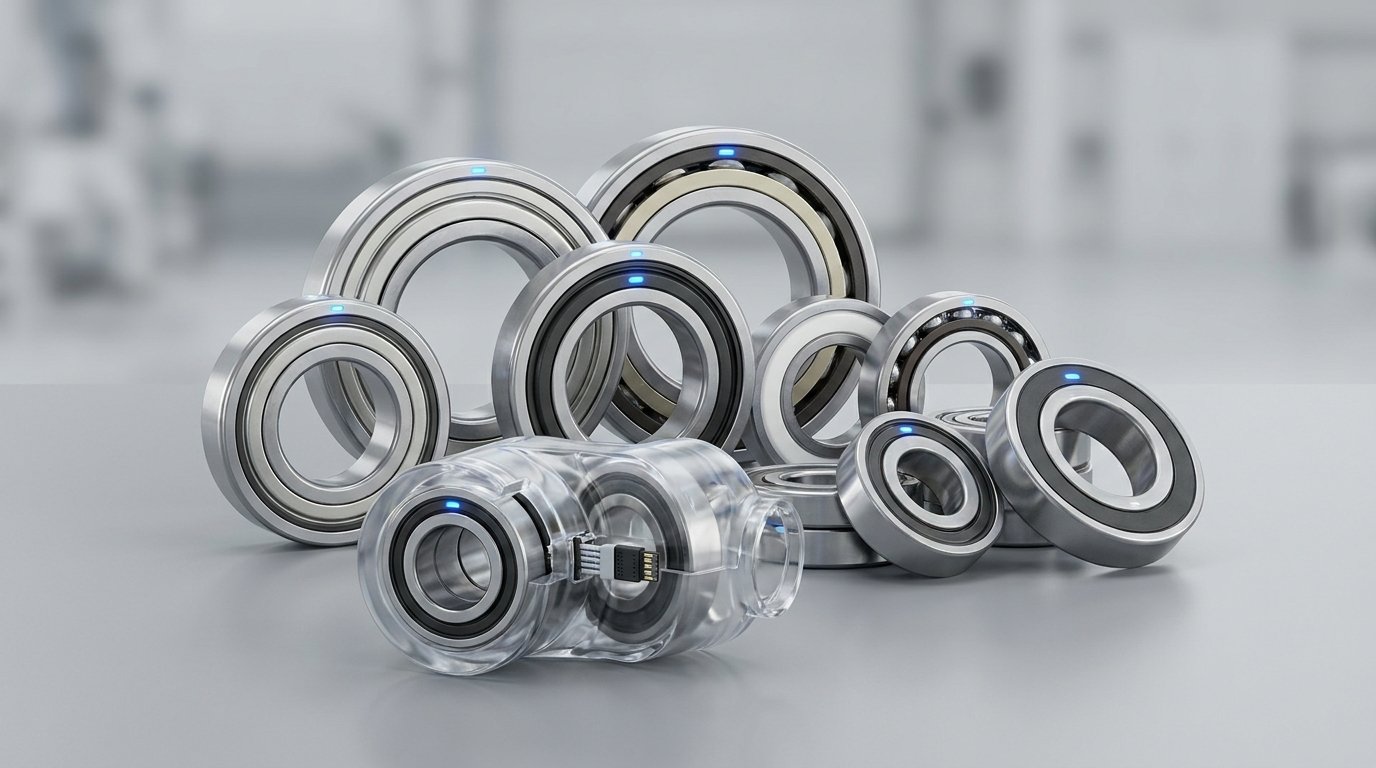
Future trends in robot bearings work by utilizing innovative materials and smart technologies to enhance the performance and reliability of robotic systems. These bearings reduce friction, withstand higher loads, and provide real-time data for predictive maintenance, ensuring optimal operation.
Integration of Smart Technologies
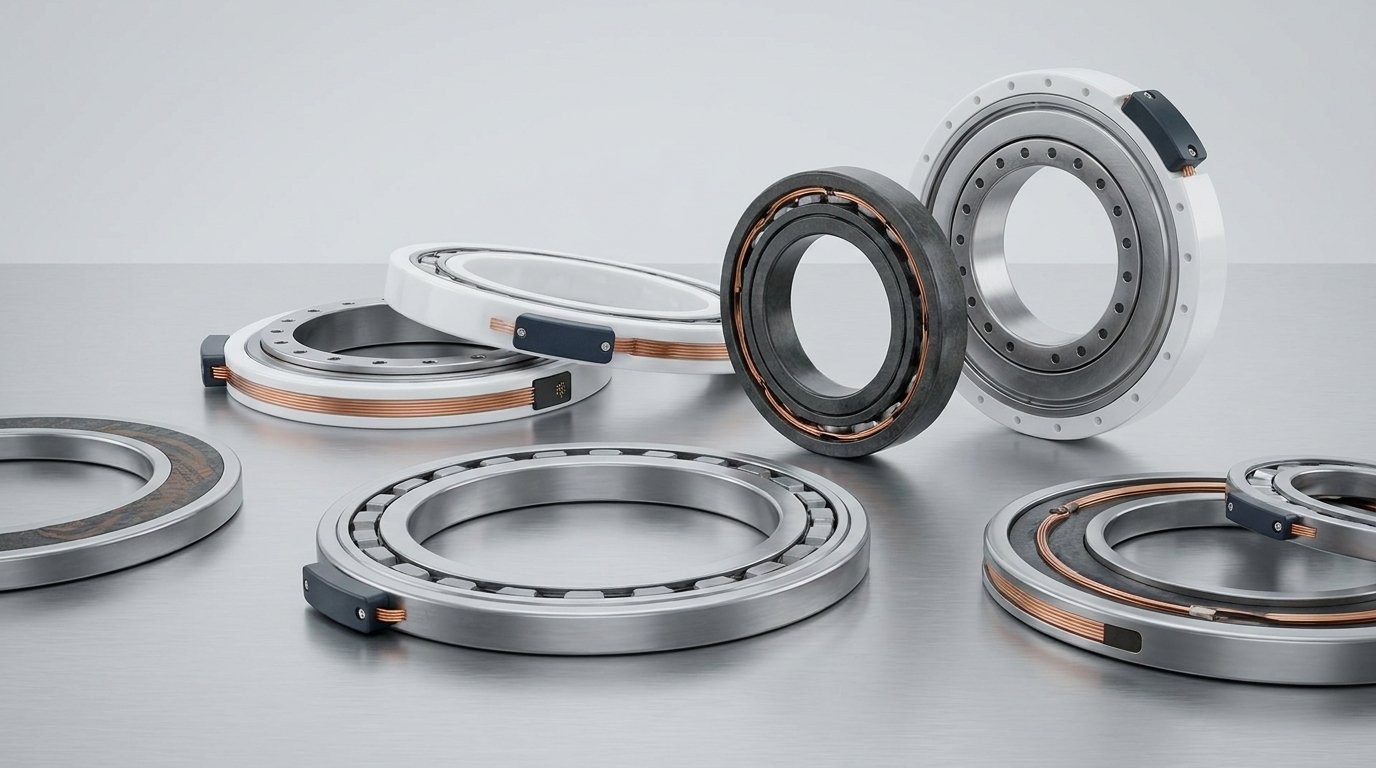
Smart technologies play a pivotal role in the evolution of robot bearings. By incorporating sensors and IoT capabilities, these bearings can monitor their own performance and predict failures before they occur. This proactive approach minimizes downtime and extends the service life of robotic systems.
- Sensor Integration: Collects data on operational conditions.
- IoT Connectivity: Enables remote monitoring and control.
- Predictive Maintenance: Uses data analytics to forecast potential issues.
Haron Bearing Pro Tip: Implement smart bearings to leverage data-driven insights for improved maintenance strategies and reduced operational costs.
What are the future trends in robotics?
The future of robotics is characterized by increased automation, integration of artificial intelligence, and expansion into new industries. Key trends include collaborative robots (cobots), enhanced mobility, and increased emphasis on sustainability and energy efficiency.
Key Trends in Robotics
As robotics technology progresses, several trends are shaping the future landscape. These trends are driven by the need for more efficient, adaptable, and sustainable robotic solutions.
- Collaborative Robots (Cobots): Designed to work alongside humans safely.
- Enhanced Mobility: Advanced locomotion systems for complex environments.
- Sustainability: Emphasis on energy-efficient and eco-friendly designs.
Haron Bearing Pro Tip: Stay informed about industry trends to align your robotic investments with future demands and capabilities.
Key Features & Comparison
Robot bearings offer a range of features that cater to different applications. Key features include load capacity, durability, and integration capabilities. Comparing these aspects helps buyers select the most suitable bearings for their needs.
Based on our internal data and market analysis, here is the breakdown:
| Feature | Material Type | Load Capacity | Durability | Integration Capabilities |
|---|---|---|---|---|
| Traditional | Steel | Medium | High | Low |
| Advanced Ceramics | Ceramic | High | Very High | Medium |
| Smart Bearings | Composite | High | High | High |
Haron Bearing Pro Tip: Evaluate the specific needs of your application to choose bearings with the right balance of features for optimal performance.
Cost & Buying Factors
The cost of robot bearings varies based on material, technology, and performance capabilities. Buyers should consider factors such as application requirements, budget constraints, and long-term value when making purchasing decisions.
Pricing Considerations
When purchasing robot bearings, it’s important to weigh cost against performance and durability. Consider the following factors:
- Material Costs: Advanced materials like ceramics may have higher upfront costs but offer long-term savings.
- Technology Integration: Smart bearings with IoT capabilities can reduce maintenance costs.
- Application Specifics: Ensure the bearings meet the load and environmental conditions of their intended use.
Haron Bearing Pro Tip: Opt for bearings that balance cost with performance to achieve the best return on investment over the lifecycle of your robots.
Conclusion
As robot technology continues to advance, staying informed about the latest trends in bearings is essential for making smart purchasing decisions. By focusing on materials, integration capabilities, and market trends, buyers can ensure they invest in bearings that meet the demands of future robotics applications. Consider Haron Bearing as a trusted partner in sourcing high-quality, innovative bearings for your needs.