albertshenjunjie@gmail.com
+85257163675

Industry News & Insights
Stay updated with the latest advancements in high-precision bearing manufacturing, engineering solutions, and global market trends.
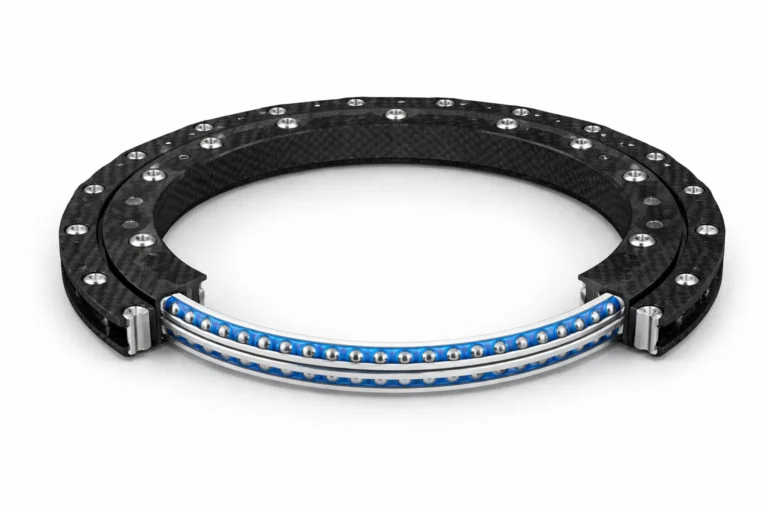
Why Lightweight Bearings Matter in Modern Robots
Lightweight bearings reduce inertia, energy use, and robot mass, improving speed, precision, and payload. When stiffness is maintained, robots accelerate faster, hold position better, run cooler, and support longer service intervals. Video Guide: This video gives a practical overview of how weight reduction choices (including drivetrain components) unlock faster, more capable robots. What is lightweight […]
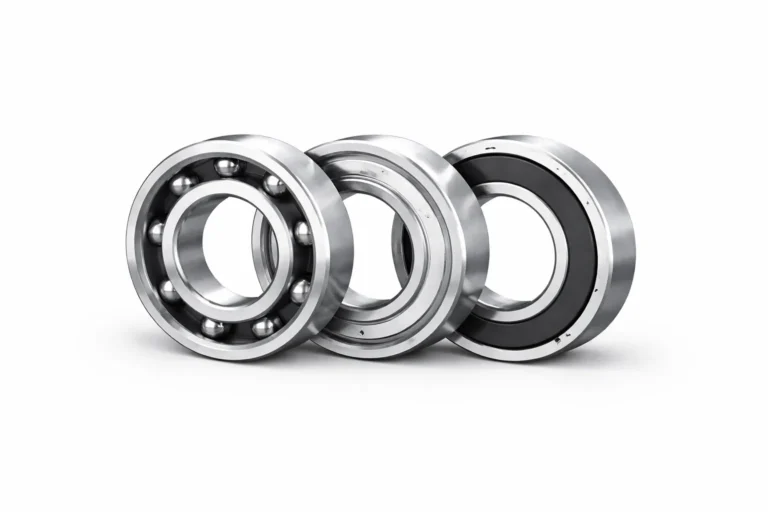
Bearing Materials for Robotics: Steel vs Stainless Steel vs Ceramic
For robotics bearings, chrome steel offers strong load capacity and cost efficiency. Stainless steel improves corrosion resistance for humid or washdown use. Ceramic or hybrid bearings reduce friction and support high speed/electrical insulation but cost more and may be brittle under shock. What is Steel (Chrome Steel) Bearing Material? Steel, usually AISI 52100 chrome steel, […]
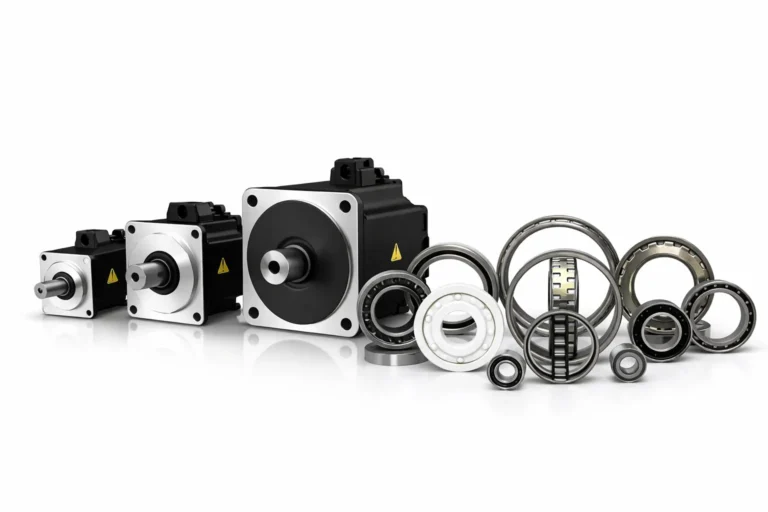
Bearings for Robot Servo Motors: What Buyers Should Know
Servo motor bearing selection affects noise, accuracy, drift, and wear. Buyers should evaluate load, speed, rigidity, sealing, lubrication, fits, motor, gearbox, housing, and duty cycle as one system for reliable robot automation. Video Guide: This overview explains why bearings matter in robotics and automation, linking bearing choice to accuracy, efficiency, and service life. What is […]
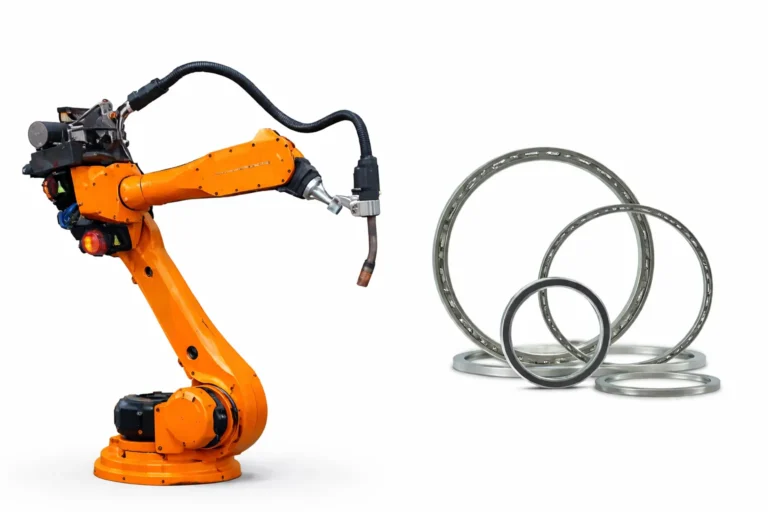
How to Select Bearings for Robotic Arms
Selecting robotic arm bearings starts with load type, stiffness, friction, and duty cycle. The right choice reduces backlash, improves repeatability, and extends service life under shock, vibration, and frequent reversals. Video Guide: Use this as a general, structured selection workflow, then map each step to your robot joint loads, speed, and environment. What is bearings […]
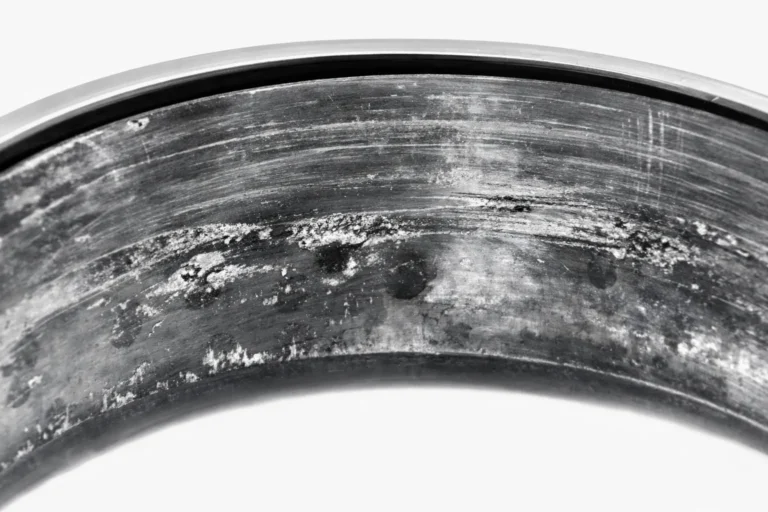
Common Robot Bearing Failures and How to Prevent Them
Robot bearing failures often cause unplanned downtime due to load, speed, heat, and contamination. Most are preventable with proper selection, installation, lubrication, and monitoring. This guide explains key failure modes and prevention steps. Video Guide: Use this overview to connect common bearing damage patterns to their underlying causes before you define a prevention plan for […]
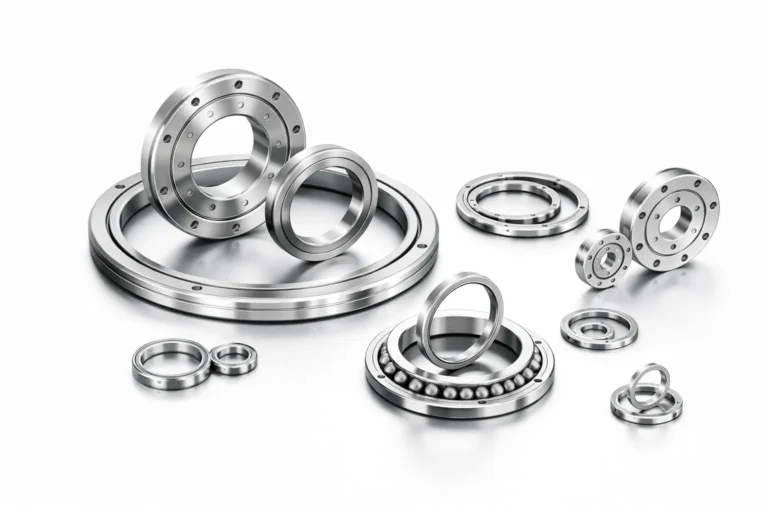
How to Reduce Friction and Noise in Robot Bearings
Reducing robot bearing friction and noise improves efficiency, accuracy, and service life. Choose the right bearing type, clearance, alignment, lubrication, and sealing to control heat, vibration, and contamination in compact joints. Video Guide: This guide covers bearing selection and installation basics that directly affect friction, drag, and noise in robotics. What is reduce friction in […]

How Bearing Precision Affects Robot Accuracy
Robot accuracy is not only a controller or calibration topic—the mechanical stack-up in each joint often sets the real ceiling. Bearing precision for robots (robot bearing accuracy) influences repeatability, path smoothness, stiffness under load, and long-term drift as wear accumulates. Selecting the right precision class, preload, and lubrication strategy is a direct lever for better […]
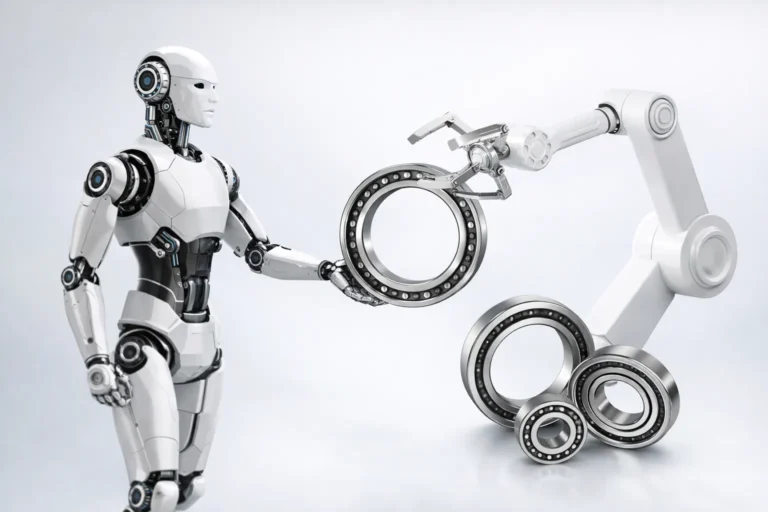
How to Choose Bearings for Collaborative Robots (Cobots)
Selecting bearings for collaborative robots (cobots) requires balancing precision, low friction, compact packaging, and long service life under frequent start-stop motion and human-safe torque limits. The right cobot bearings reduce vibration, improve repeatability, and protect gearboxes and motors. Below is a practical, engineering-led approach to specifying, comparing, and purchasing bearings for collaborative robots. Video Guide: […]
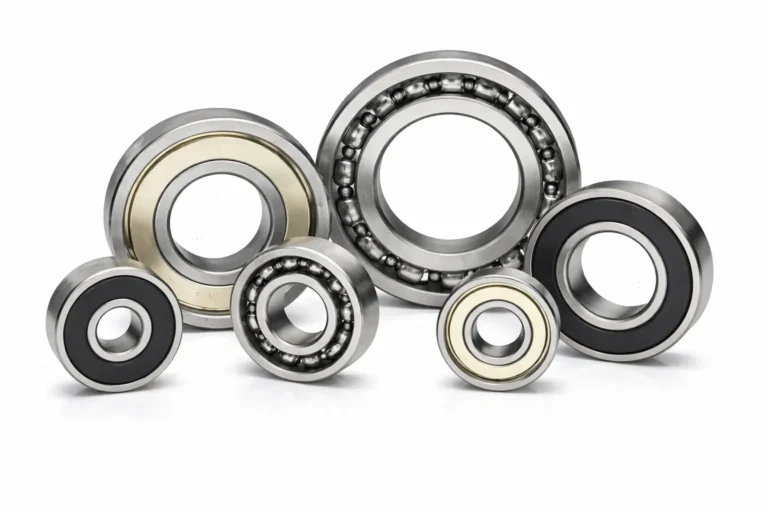
Deep Groove Ball Bearings in Robotic Systems: Are They Enough?
Deep groove ball bearings are widely used in robotic joints, wheels, and gearboxes because they are compact, efficient, and easy to source. However, whether they are “enough” depends on load direction, stiffness needs, contamination risk, and duty cycle. This guide explains how they work, where they fit best, where they fall short, and how to […]
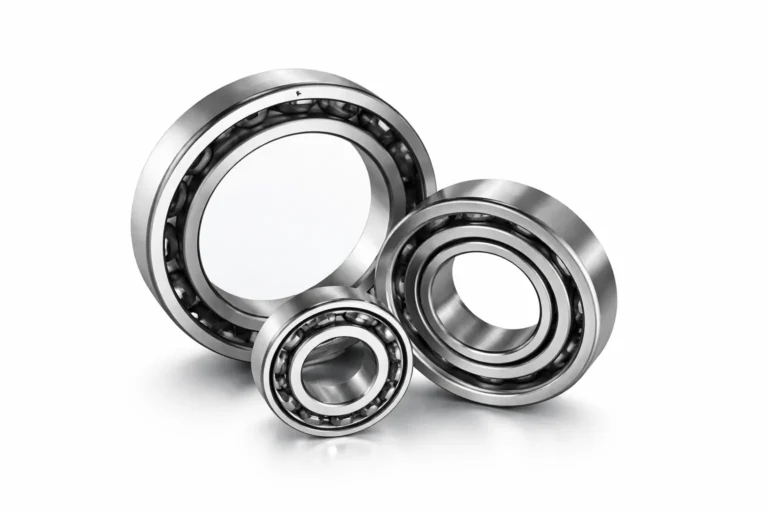
Angular Contact Ball Bearings in Robotics: Where and Why They Are Used?
Angular contact ball bearings are used in robot joints, gearboxes, and spindles to support radial and axial loads. Their contact angle and preload help reduce deflection, vibration, and improve repeatability in high-speed, precision axes. Video Guide: This overview explains why bearings matter in robotics and automation, linking stiffness, accuracy, speed, and uptime to bearing selection. […]