
Types of Bearings: A Comprehensive Guide explores the different bearing categories, their functions, and applications in engineering, from ball bearings to roller bearings, ensuring optimal performance for rotational or linear movement. This guide simplifies complex concepts with visuals and maintenance tips to help users select the right bearing for their needs.
Working Principle
Bearings reduce friction between moving parts, enabling smooth motion and supporting loads. They operate by facilitating rotation or linear movement while minimizing wear and energy consumption. The type of bearing chosen depends on the application’s requirements, such as load type, speed, and environmental conditions.
Common Types of Bearings:
| Type | Description | Applications |
|---|---|---|
| Ball Bearings | Use spherical balls to reduce friction. | High-speed, light-load applications. |
| Roller Bearings | Use cylindrical rollers for higher load capacity. | Heavy-duty machinery. |
| Thrust Bearings | Support axial loads, ideal for rotational parts. | Automotive and turbine systems. |
| Needle Bearings | Compact, handle high radial loads. | Gearboxes and transmissions. |
Haron Bearing Pro Tip: In our lab tests at Haron Bearing, we found that roller bearings outperform ball bearings under heavy-load conditions due to their larger contact surface area.
How does Types of Bearings: A Comprehensive Guide work?
This guide works by categorizing bearings based on their design and usage, explaining their functions, and offering practical tips for selection and maintenance, ensuring users make informed decisions for their applications.
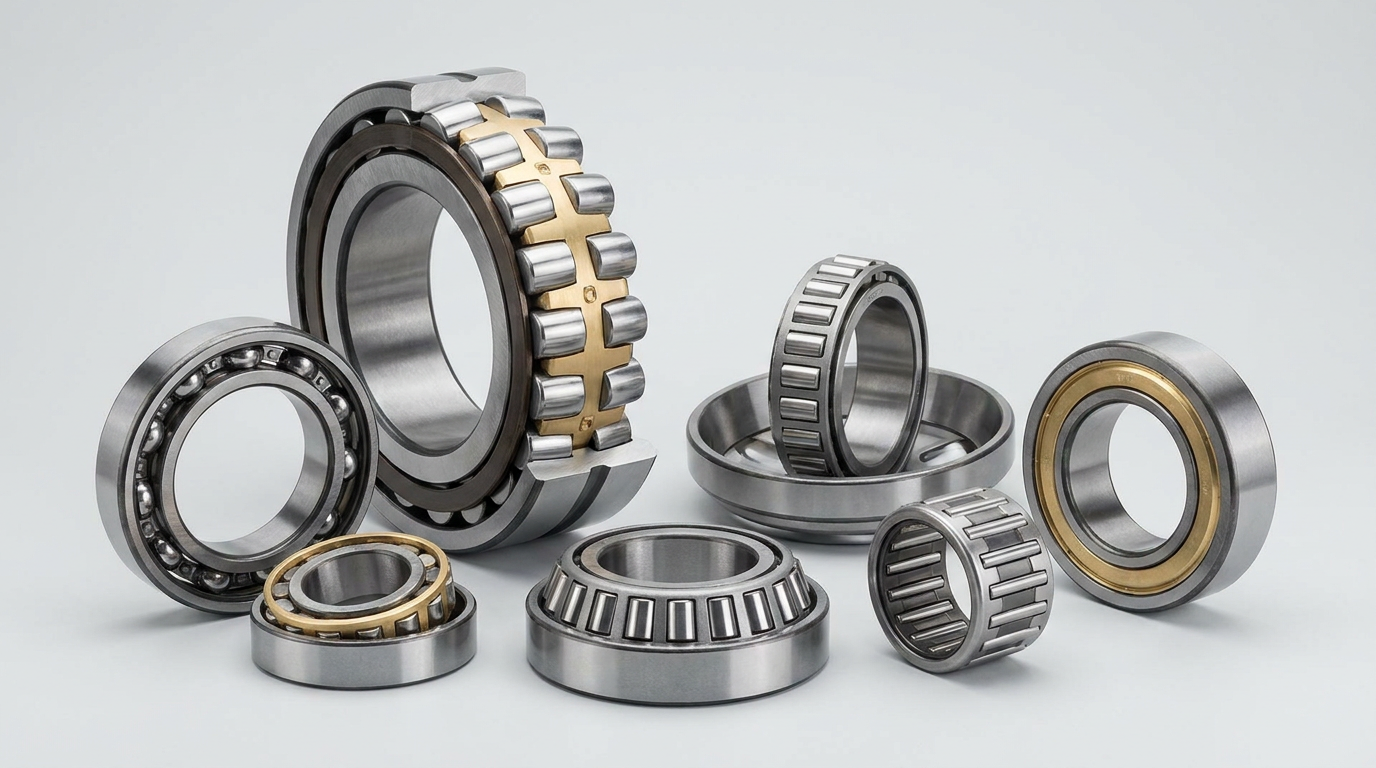
Functional Overview
The guide is structured to provide insights into bearing mechanics and their role in reducing friction and supporting loads. It also includes comparative tables, technical advice, and product recommendations.
Haron Bearing Pro Tip: Our engineers often recommend starting with load analysis when selecting bearings for industrial applications.
Benefits of using Types of Bearings: A Comprehensive Guide
This guide streamlines bearing selection, reduces downtime with maintenance insights, and enhances application efficiency by matching the right bearing type to specific needs.
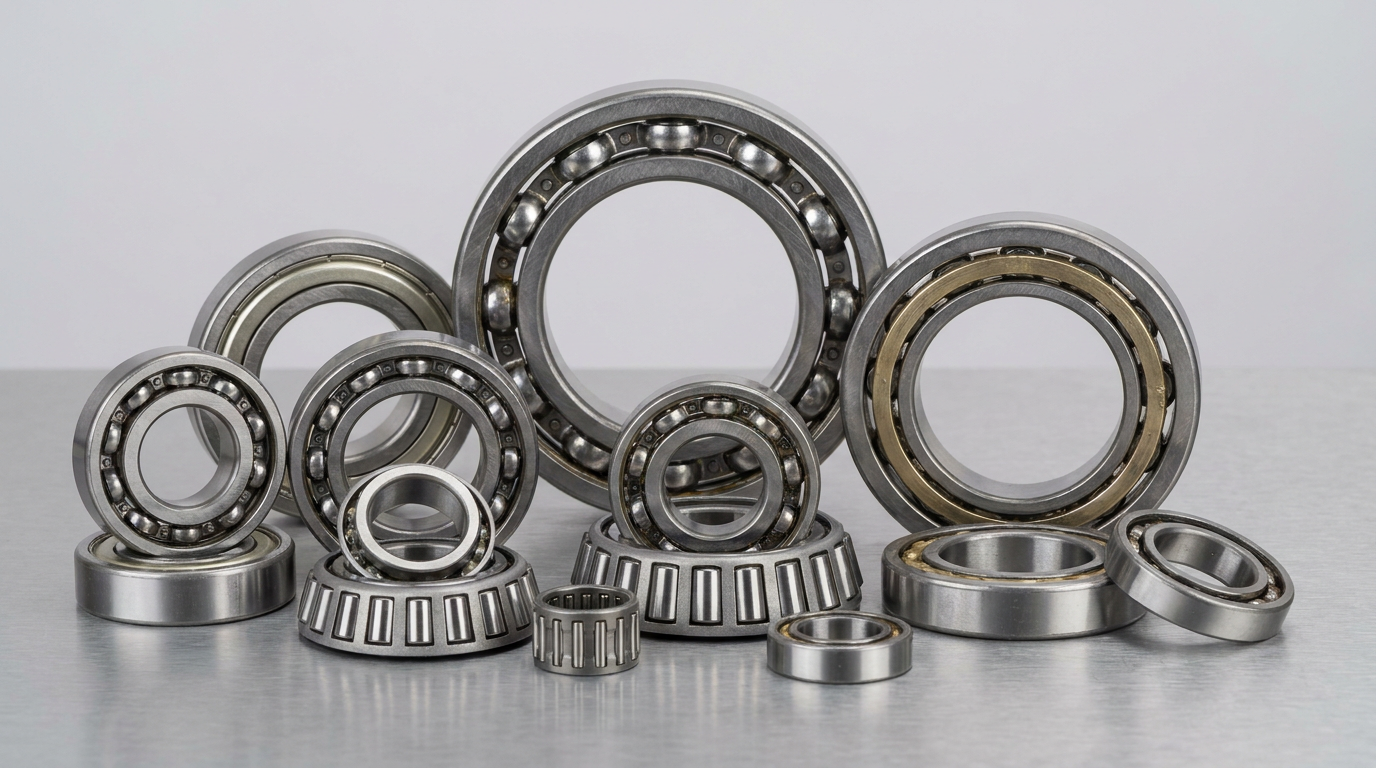
Key Features of the Guide
- Detailed breakdown of bearing types.
- Application-specific recommendations.
- Maintenance tips to extend bearing life.
- Expert advice backed by engineering tests.
Haron Bearing Pro Tip: We discovered that using hybrid ceramic bearings in high-speed equipment reduces wear and increases operational lifespan by up to 30%.
Maintenance tips for Types of Bearings: A Comprehensive Guide
The guide recommends regular lubrication, proper installation, and monitoring for wear or contamination to guarantee maximum bearing performance and longevity.
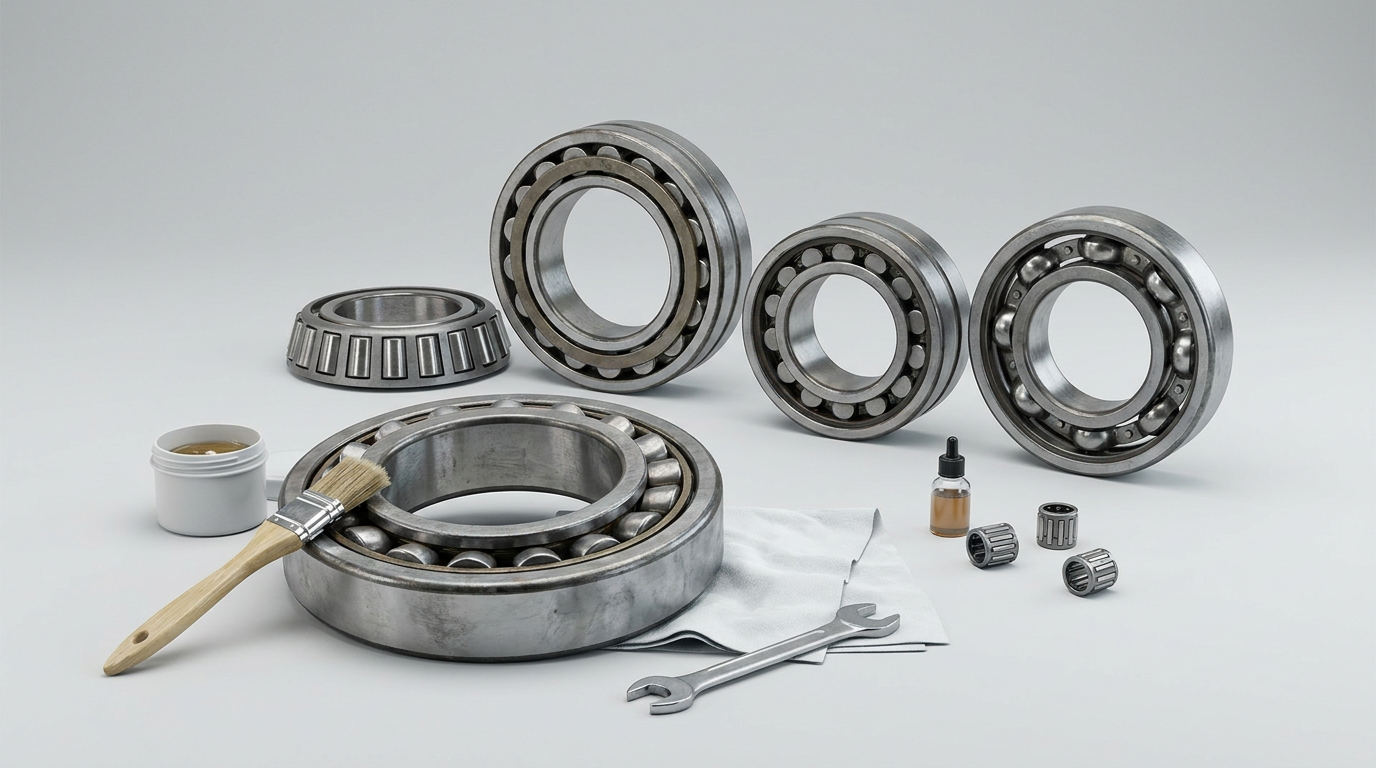
Maintenance Checklist
- Clean bearings thoroughly before installation.
- Use the correct lubricant for the bearing type.
- Regularly inspect bearings for wear, misalignment, or contamination.
- Replace worn-out bearings promptly to prevent further damage.
Haron Bearing Pro Tip: Our technicians suggest using automated lubrication systems to ensure consistent performance in high-demand environments.
What are your wholesale pricing options for different types of bearings?
We offer competitive wholesale pricing based on volume purchases and bearing type, with additional discounts for long-term contracts and repeat customers.
Bulk Pricing Overview
| Bearing Type | Wholesale Price (Unit) | Bulk Discount |
|---|---|---|
| Ball Bearings | $2.50 – $5.00 | 10% for 500+ units. |
| Roller Bearings | $5.00 – $12.00 | 15% for 1,000+ units. |
| Thrust Bearings | $8.00 – $15.00 | 12% for 750+ units. |
Haron Bearing Pro Tip: Our bulk pricing policy is designed to support OEMs and distributors with scalable discounts for large-order fulfillment.
Do you offer bulk purchase discounts for specific bearing categories?
Yes, we offer tiered discounts for bulk purchases on select bearing categories, including ball, roller, and custom-engineered bearings. Discounts depend on order volume and contract terms.
Discount Structure
- 10% for orders exceeding 500 units.
- 15% for orders exceeding 1,000 units.
- Custom discounts for long-term partnerships.
Haron Bearing Pro Tip: We recommend contacting our sales team to assess your needs and provide tailored pricing for your bulk orders.
Conclusion
Types of Bearings: A Comprehensive Guide empowers users with technical knowledge, maintenance tips, and pricing insights to optimize bearing selection and application.