
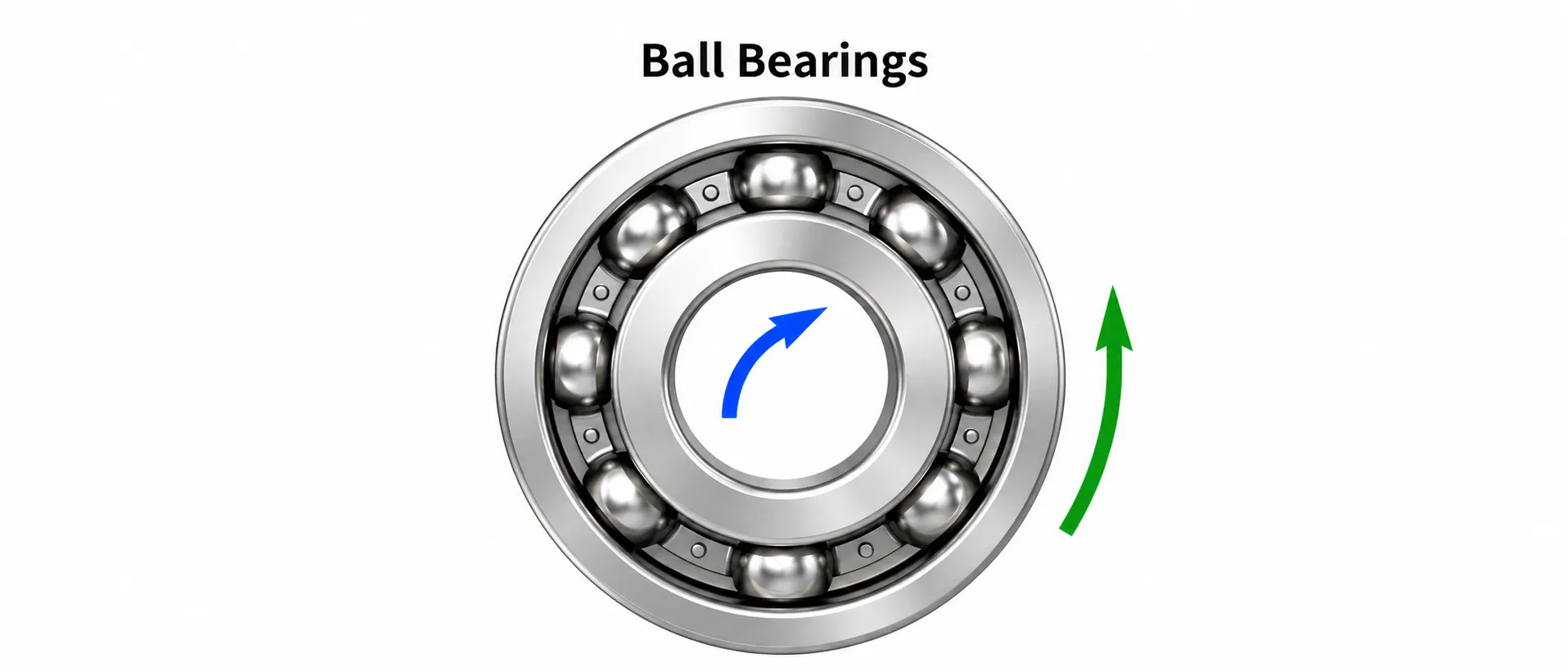
Bearings reduce friction, support loads, and enable smooth motion in machinery. By using balls or rollers, they convert sliding friction into rolling friction, improving efficiency, reducing wear, and extending equipment service life.
Video Guide: This animation explains the basic mechanics of ball bearings in an easy-to-understand format.
What is a Bearing?
Bearings are precision-engineered components designed to reduce friction between moving parts and support loads, enabling smooth and efficient motion in machinery or vehicles.
Video Guide: Learn the engineering principles behind how ball bearings work with this detailed explanation.
Key Characteristics of Bearings
Bearings are integral to various applications due to these defining characteristics:
- Friction Reduction: Bearings minimize resistance between surfaces, improving efficiency.
- Load Support: They handle radial (side) and axial (thrust) loads.
- Durability: Bearings are designed to withstand high stress and maintain performance over time.
How Does a Bearing Work?
Bearings work by using rolling elements such as spheres or cylinders to reduce surface contact and convert sliding friction into rolling friction, facilitating smooth motion.
Video Guide: Explore how different types of bearings, including roller bearings, operate and their durability features.
Working Principle of Bearings
At the core, bearings operate by separating moving components with rolling elements. Here’s how it works step-by-step:
- Load Distribution: Bearings distribute the load across rolling elements, reducing stress on individual points.
- Friction Transition: Sliding friction is replaced with rolling friction, which is significantly lower.
- Rotation Facilitation: The inner ring rotates while the outer ring remains stationary (or vice versa), supported by the smooth motion of the rolling elements.
Who is the Largest Bearing Manufacturer?
As of recent market analysis, SKF, NSK, and Schaeffler are among the largest bearing manufacturers globally, renowned for their innovation and product quality.
Video Guide: Discover the range of bearings and their applications from major global manufacturers.
Industry Leaders in Bearing Manufacturing
Based on our internal data and market analysis, here is the breakdown of top manufacturers by market share:
| Manufacturer | Market Share (%) | Specialty Products |
|---|---|---|
| SKF | 20% | Automotive, Industrial |
| NSK | 18% | Aerospace, Precision |
| Schaeffler | 15% | Heavy Machinery |
| Timken | 12% | Tapered Roller Bearings |
| Haron | 7% | Precision Bearings, Custom Bearings, Robot Bearings |
Why Not Use WD-40 on Bearings?
WD-40 is not suitable for bearings as it is a solvent-based product that eliminates essential grease or oil, potentially causing premature wear and damage.
Video Guide: Learn practical tips on maintaining bike bearings and why proper lubrication matters.
Proper Bearing Maintenance
- Why WD-40 Fails: It provides temporary lubrication but lacks the viscosity to handle high loads or heat.
- Recommended Alternatives: Use high-quality bearing grease or oils specifically designed for the application.
How Do You Tell if Your Bearings Are Bad?
Signs of bad bearings include unusual noise, vibration, overheating, or difficulty in rotation, all of which indicate wear or contamination.
Video Guide: Diagnose common bearing issues and learn how to identify wear and tear.
Common Symptoms of Bearing Failure
- Noise: Grinding or squealing sounds during operation.
- Vibration: Excessive movement or instability.
- Performance Drop: Increased resistance or reduced efficiency.
- Heat: Overheating due to excessive friction or lack of lubrication.
Key Features & Comparison
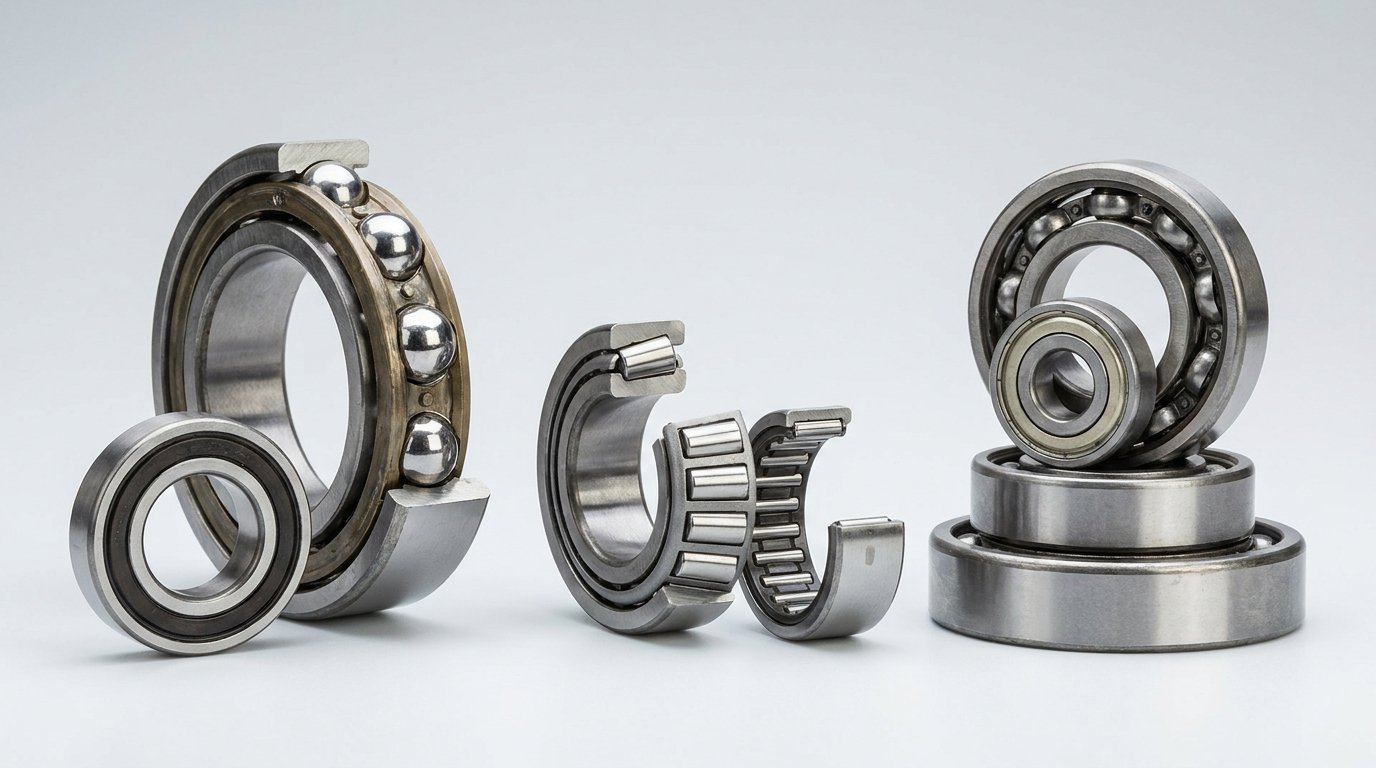
Based on our internal data and market analysis, here is the breakdown of key bearing types and their features:
| Bearing Type | Friction Reduction | Load Capacity | Durability | Common Use Cases |
|---|---|---|---|---|
| Ball Bearings | High | Moderate | High | Motors, Appliances |
| Roller Bearings | Moderate | High | Very High | Conveyor Belts, Vehicles |
| Needle Bearings | Low | Moderate | High | Gearboxes, Compressors |
| Tapered Bearings | Moderate | Very High | High | Axles, Heavy Machinery |
Cost & Buying Factors
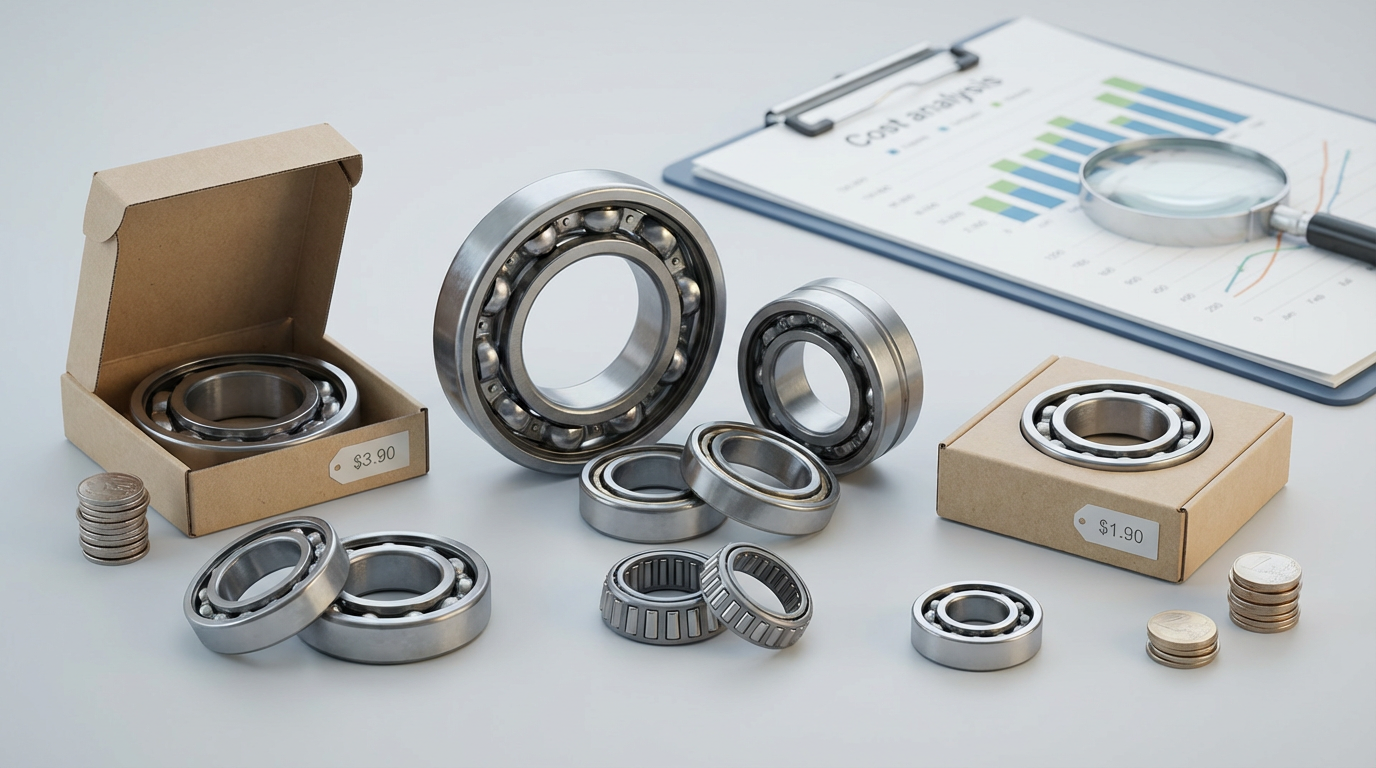
When purchasing bearings, consider the following factors:
- Application Requirements: Match the bearing type to the specific load and motion needs.
- Quality Standards: Look for products that comply with ISO or similar certifications.
- Price vs. Durability: Higher-quality bearings may have a greater initial cost but offer longer lifespans and performance benefits.
- Supplier Reputation: Opt for trusted brands like Haron Bearing for reliable products and support.
Conclusion
Bearings play a crucial role in reducing friction, supporting loads, and ensuring the efficient operation of machinery. With proper maintenance and the right product selection, they can significantly enhance performance and longevity. Explore Haron Bearing’s extensive range of solutions to find the ideal fit for your application.
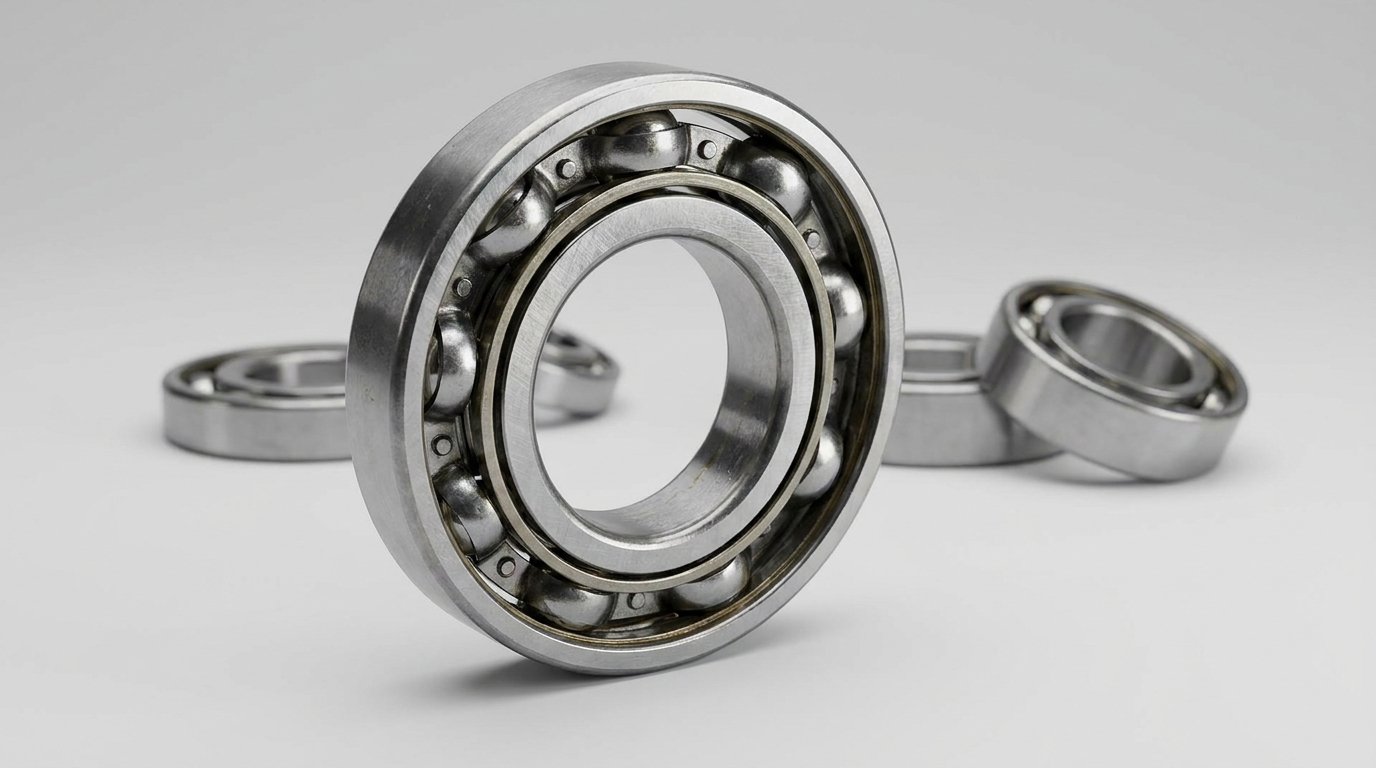
Haron Bearing Pro Tip: Regular lubrication and prompt replacement of worn bearings are vital to maximizing equipment life and minimizing downtime. Always consult manufacturer guidelines for optimal performance.