
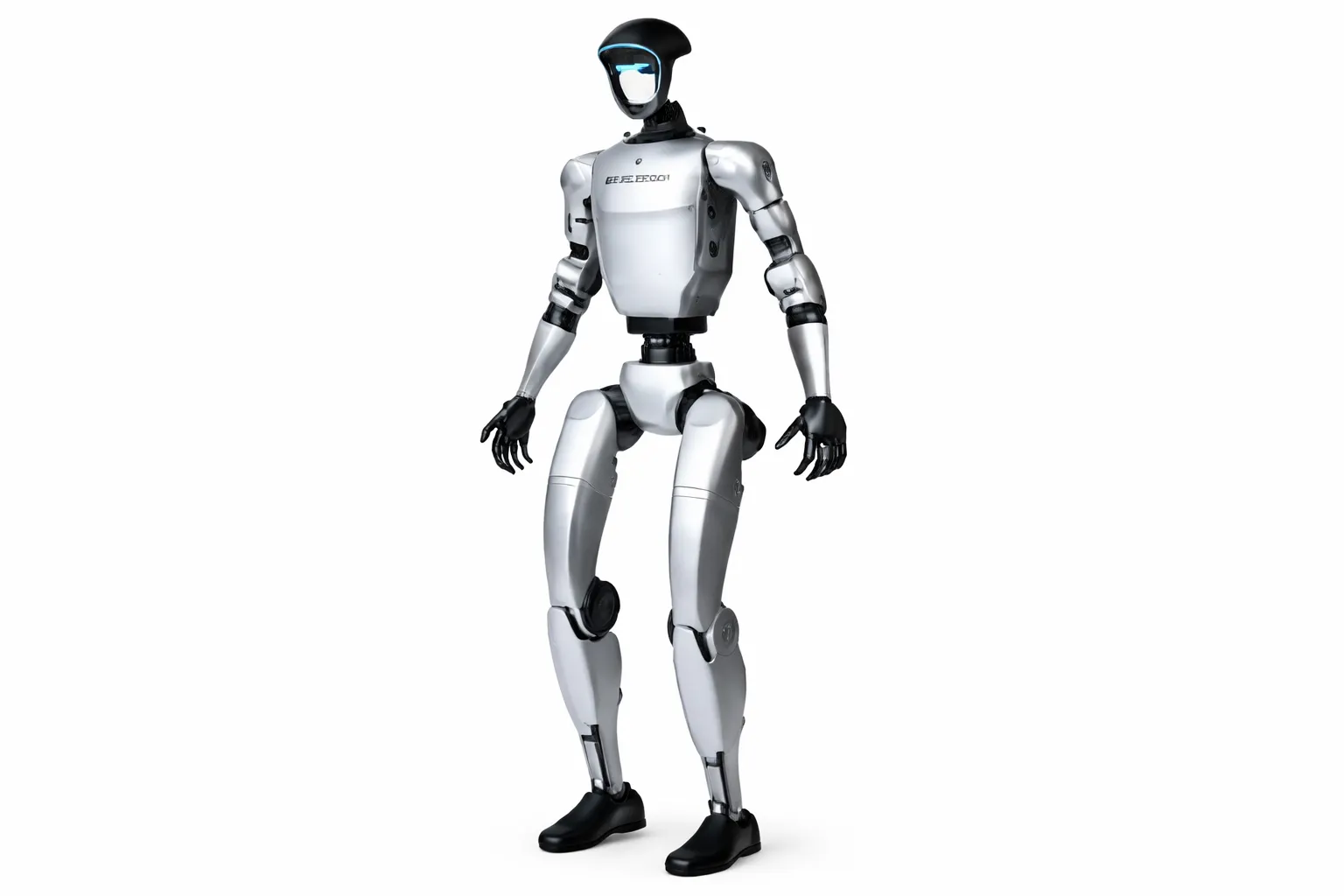
The best humanoid robot bearings offer high precision, durability, and low friction. Ceramic bearings suit high-speed motion, while hybrid bearings balance speed, load capacity, and service life.
What is Ceramic Bearings?
Ceramic bearings are high-performance components used in robotics to enhance precision and reduce friction. These bearings are made from ceramic materials, offering superior wear resistance and thermal stability. Ideal for high-speed applications, ceramic bearings are a preferred choice in advanced humanoid robots.
Core Technology: Made from silicon nitride or zirconium oxide.
Construction: Lightweight structure with reduced friction.
Thermal Stability: Operates efficiently in high-temperature environments.
What is Hybrid Bearings?
Hybrid bearings combine ceramic and steel materials, providing a balance of performance and durability. These bearings are engineered to withstand moderate speeds and loads, making them versatile for various robotic applications. Their unique construction offers reduced weight and enhanced longevity.
Core Technology: Combines ceramic balls with steel races.
Durability: Enhanced lifespan due to reduced wear.
Versatility: Suitable for a range of robotic applications.
Key Differences: Ceramic Bearings vs. Hybrid Bearings
| Feature | Ceramic Bearings | Hybrid Bearings |
|---|---|---|
| Material | Full ceramic | Ceramic balls, steel races |
| Speed Capability | High-speed applications | Moderate speed |
| Load Capacity | Lower load capacity | Higher load capacity |
| Thermal Conductivity | Excellent | Good |
ClearFilter Pro Tip: We recommend ceramic bearings for applications requiring high-speed precision, while hybrid bearings are ideal for projects needing a balance between speed and load capacity.
Pros & Cons Comparison
| Feature | Ceramic Bearings | Hybrid Bearings |
|---|---|---|
| Wear Resistance | High | Moderate |
| Weight | Lightweight | Heavier |
| Cost | Higher | Lower |
| Application Range | Specialized | Versatile |
Conclusion
In conclusion, the choice between ceramic and hybrid bearings depends on the specific needs of your humanoid robot. Ceramic bearings excel in high-speed applications, while hybrid bearings offer a balanced performance for various uses.
FAQ
1. Why are ceramic bearings preferred for high-speed robotics?
Ceramic bearings are preferred due to their low friction and high precision, allowing for smoother and faster movement in robotic applications.
2. Can hybrid bearings handle more load than ceramic bearings?
Yes, hybrid bearings generally have a higher load capacity due to their steel races, which can better support heavier applications.