
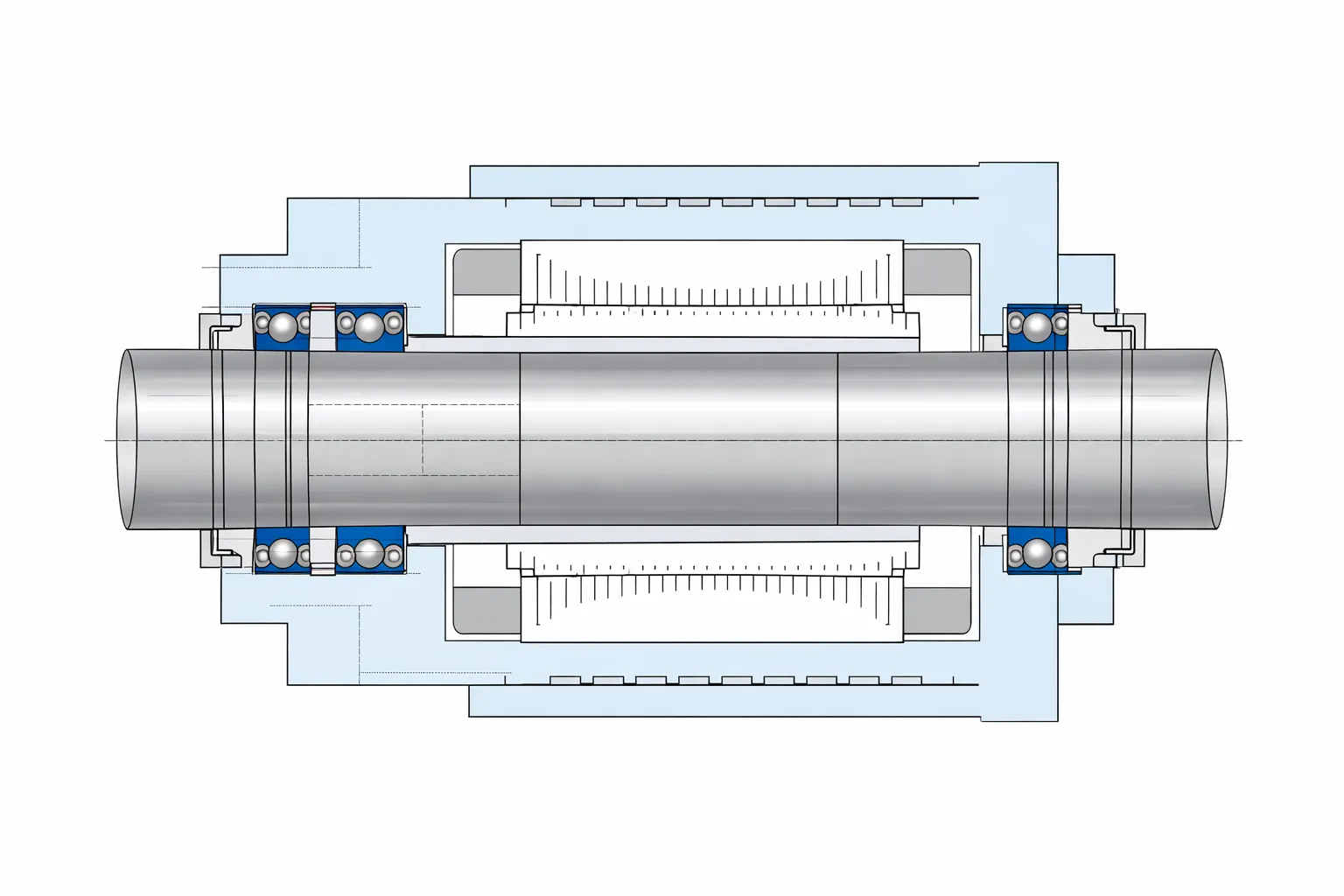
Selecting high speed bearings starts with real duty cycle, not only maximum RPM. Match speed, load, and thermal limits, then balance bearing type, cage, preload, lubrication, and mounting accuracy to control heat, vibration, and service life.
What is high speed bearings?
High speed bearings run at elevated speeds while controlling heat, vibration, and lubricant film stability. They use precision raceways, low-mass cages, optimized geometry, and lubrication such as oil-air or oil mist. Selection depends on speed, load, temperature, and accuracy.
Defining speed capability by application constraints
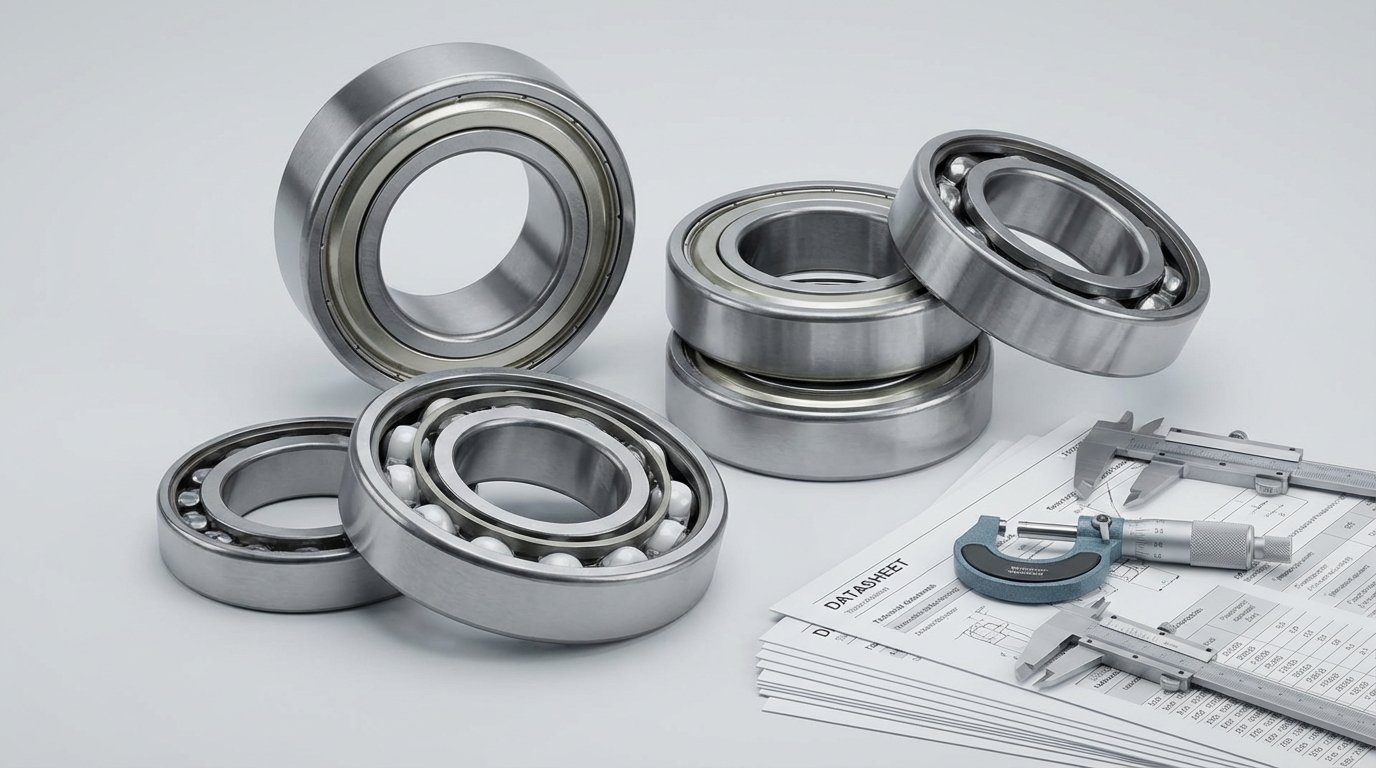
“High speed” is not only RPM—it’s whether the bearing can maintain a stable contact/lubrication condition without overheating or losing stiffness.
Common ways engineers define high-speed suitability include:
- Speed factor (often expressed as dmn): mean diameter (dm) × rotational speed (n).
- Thermal balance: frictional heat generation vs. heat dissipation through housing, shaft, and lubricant.
- Dynamic stability: cage stability, skidding risk, and vibration behavior at speed.
Typical high-speed bearing families:
- Angular contact ball bearings (single or duplex): high speed + axial load capability.
- Cylindrical roller bearings: high radial load; speed depends on cage/lube.
- Hybrid ceramic ball bearings: improved speed/heat behavior with ceramic balls.
Haron Bearing Pro Tip: I treat “high speed” as a heat-management problem first—if you can’t control temperature rise with the planned lubrication and fits, the bearing’s catalog speed rating won’t be achievable in the machine.
How Does high speed bearings Work?
High speed bearings support rotating shafts with low friction and stable lubricant film. Cage guidance, contact angle, and precision raceways reduce sliding, while correct preload, lubrication, and mounting accuracy help prevent skidding and temperature rise.
Managing friction, lubrication, and stability at high RPM
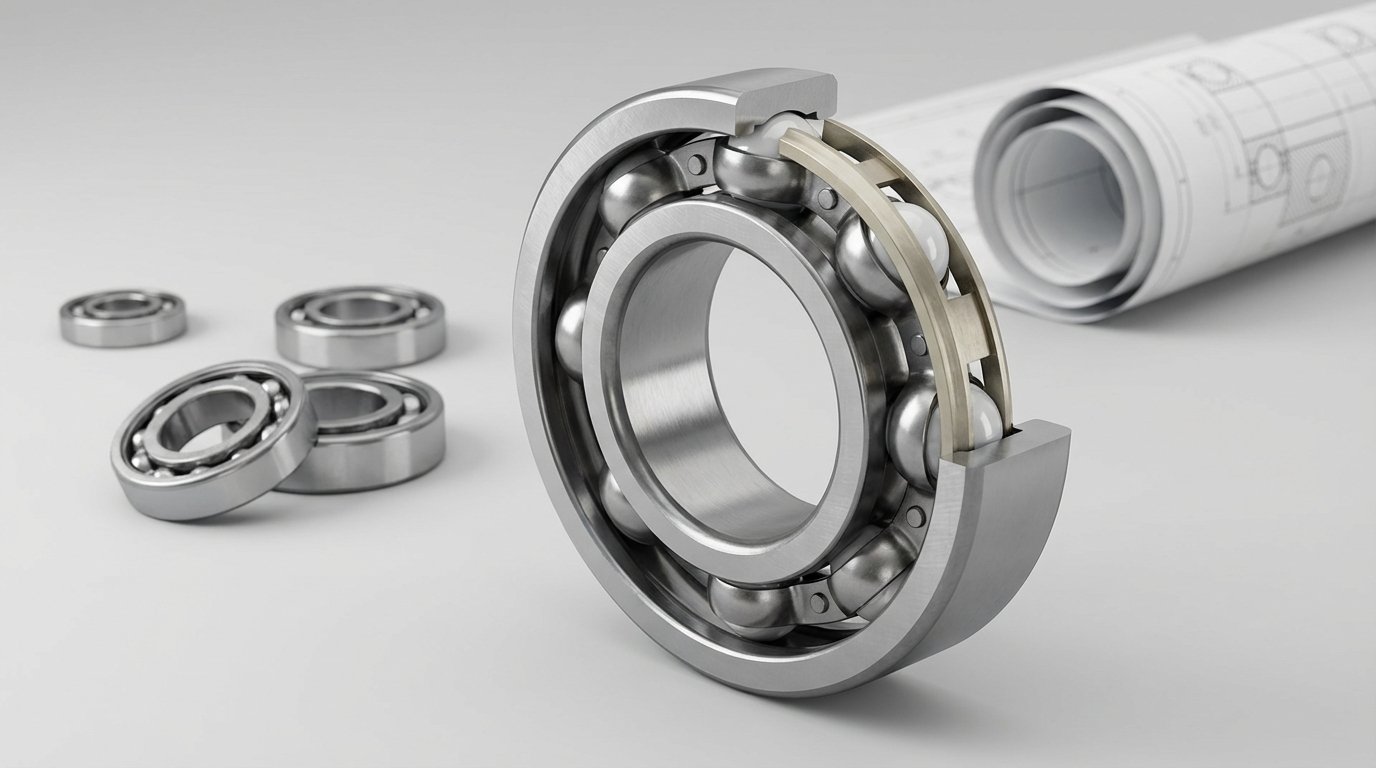
At high speed, small setup errors create big consequences—heat, vibration, and premature fatigue. Key operating mechanisms include:
- Rolling contact mechanics
Rolling elements carry load through elastic contact zones; at high speed, micro-sliding increases if preload, contact angle, or lubrication is wrong. - Cage (retainer) dynamics
The cage prevents ball/roller collisions and maintains spacing. At high RPM, cage mass and guidance method strongly affect stability. - Lubricant film formation
Grease can work at moderate high speeds, but very high speeds often need oil-air or oil jet to control heat and replenish film. - Thermal expansion and preload shift
Shaft/housing expansion changes internal clearance and preload, impacting friction and stiffness.
Key parameters you must validate:
- Speed factor (dmn) target
- Load type (radial vs. axial; constant vs. varying)
- Preload strategy (light/medium/heavy; spring vs. solid)
- Lubrication method and viscosity at operating temperature
Haron Bearing Pro Tip: I always verify preload at operating temperature, not at room temperature—thermal growth can turn a “light preload” into a heat generator at high RPM.
What are the benefits of high speed bearings?
High speed bearings support higher spindle speeds, faster cycle times, and better surface finish by reducing heat and vibration. Correct selection improves efficiency, maintains accuracy at high RPM, and helps prevent skidding, lubricant breakdown, and raceway damage.
Performance gains you can measure in production
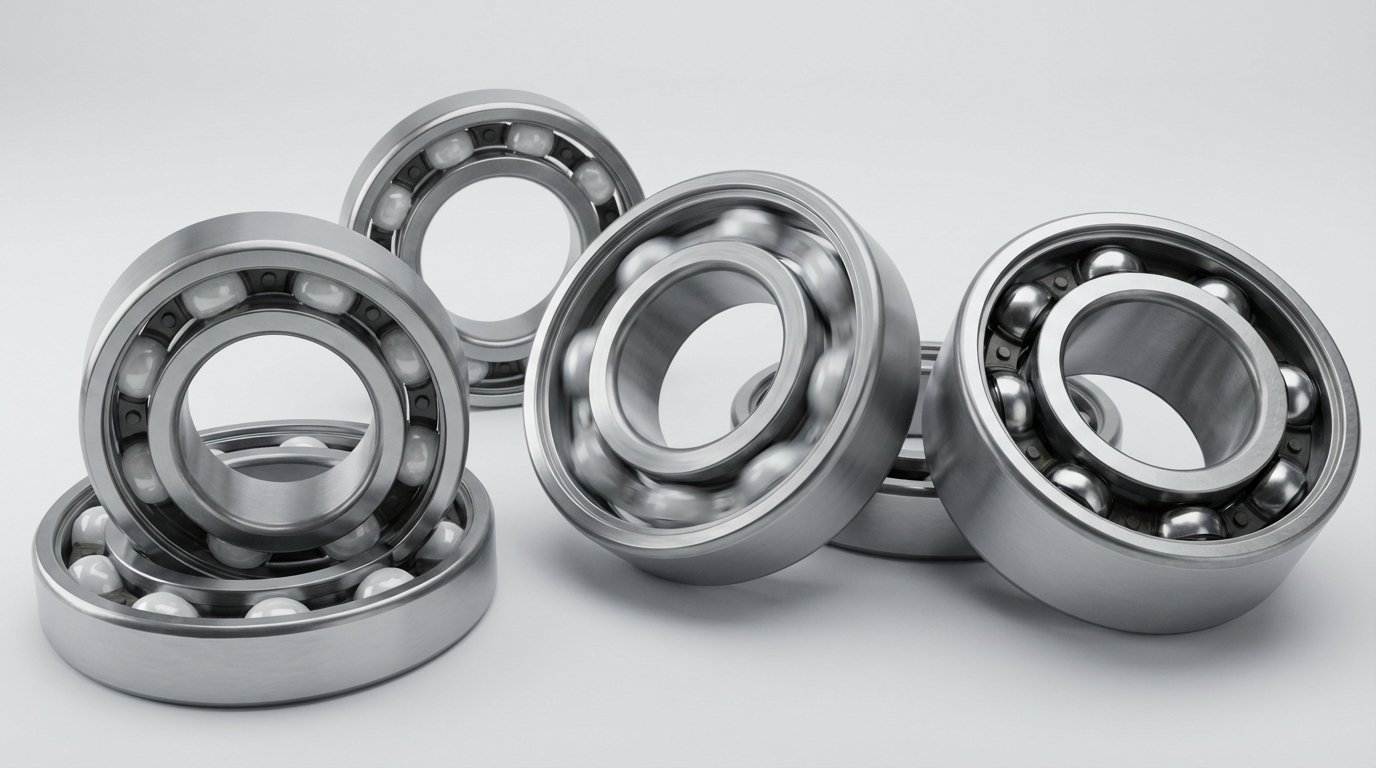
Benefits depend on correct matching of bearing design to duty cycle. The most common measurable outcomes include:
- Higher allowable RPM without excessive temperature rise
- Lower vibration for better finish and dimensional control
- Improved energy efficiency via reduced friction torque
- Better accuracy retention using high-precision grades and stable preload
- Longer life by preventing skidding and lubricant starvation
Where benefits show up most:
- Machine tool spindles
- Turbomachinery and compressors
- High-speed motors and generators
- Robotics joints with high acceleration
A practical checklist of “benefit enablers”:
- Choose the right bearing type (often angular contact for combined loads)
- Use proper lubrication delivery (oil-air for extreme speed)
- Control fits, runout, and housing alignment
- Validate temperature rise and vibration during commissioning
Haron Bearing Pro Tip: If your KPI is surface finish or positioning accuracy, I prioritize stiffness stability (preload + thermal control) over chasing the absolute highest catalog speed.
How to maintain a high speed bearings?
Maintaining high speed bearings requires control of contamination, lubrication, temperature, and mounting accuracy. Use the right lubricant and interval, monitor vibration and heat, prevent fit-related clearance changes, and keep handling clean with proper sealing.
A maintenance routine that prevents heat and skidding failures
Use a simple but disciplined program:
- Lubrication management
- Grease: confirm base oil viscosity, thickener compatibility, and relube interval.
- Oil-air/oil mist: confirm flow rate, nozzle position, and filtration.
- Condition monitoring
- Track bearing temperature, RMS vibration, and spectral peaks.
- Watch for trend changes rather than single absolute values.
- Contamination control
- Maintain seals, breathers, and cleanliness during assembly.
- Use proper filtration for oil systems.
- Fit and preload checks
- Inspect shaft/housing seats for fretting or ovality.
- Verify locking hardware and clamping torque.
Common symptoms and likely causes (quick list):
- Rapid temperature rise → excessive preload, poor lubrication delivery, misalignment
- High-frequency vibration → raceway damage, contamination, inadequate filtration
- Smearing/skidding marks → too light load, wrong preload, insufficient lubrication film
Haron Bearing Pro Tip: I recommend logging temperature and vibration from day one—most high-speed failures give early warnings as trends, long before they become catastrophic.
What is the price of high speed bearings?
High speed bearing price depends on precision grade, type, material, cage design, matched preload sets, and lubrication needs such as seals, spacers, or oil-air. For accurate budgeting, confirm speed factor, load, accuracy class, and operating temperature first.
What drives cost in real-world quotes
High-speed bearing pricing is shaped by both the bearing and the application “package” around it.
Main price drivers:
- Precision/accuracy class (tighter runout and geometry increases cost)
- Bearing type and configuration (single vs. duplex/quad sets)
- Material choice (hybrid ceramic typically higher cost)
- Cage type (machined vs. molded; high-speed optimized designs)
- Brand qualification and testing (noise/vibration grading, matched set verification)
Budgeting checklist (what to specify when requesting a quote):
- Shaft size and bearing series
- RPM and duty cycle (continuous vs. intermittent)
- Radial/axial loads and direction
- Target temperature rise or allowable operating temp
- Required accuracy, noise, and vibration limits
- Lubrication method (grease vs. oil-air vs. oil jet)
Haron Bearing Pro Tip: When I estimate cost, I include the “hidden” items—spacers, locknuts, oil-air hardware, filtration, and commissioning tests—because they often exceed the bearing cost in true high-speed systems.
Key Features & Comparison
High speed bearings differ mainly in how they manage contact angle, cage stability, heat generation, and lubrication delivery. Comparing options by speed factor, load capability, stiffness, and lubrication needs helps avoid mismatches. The best choice is the one that meets speed and accuracy targets with stable temperature rise and acceptable maintenance effort.
Feature-by-feature comparison for selection
Based on our internal data and market analysis, here is the breakdown:
| Bearing Option | Typical Strength | Typical Limitation | Best For | Common Lubrication |
|---|---|---|---|---|
| Angular Contact Ball (steel) | High speed, good axial load, good accuracy | Sensitive to preload/thermal growth | Machine tool spindles, pumps | Grease (moderate), oil-air (high) |
| Angular Contact Ball (hybrid ceramic) | Higher speed margin, lower heat, reduced skidding risk | Higher cost; requires clean conditions | High-speed spindles, demanding accuracy | Grease (optimized), oil-air |
| Cylindrical Roller (high-speed cage) | High radial load, good stiffness | Lower axial load capability; speed depends on cage/lube | Gearboxes, motor radial supports | Oil (circulating/jet), sometimes grease |
| Deep Groove Ball (optimized) | Simple, cost-effective at moderately high speed | Limited axial load/stiffness control at very high speed | Motors, fans, general high RPM | Grease, oil |
| Matched Sets (DB/DF/DT) | Controlled preload, stiffness, accuracy retention | Requires precise mounting and thermal planning | Spindles, precision drives | Grease or oil-air |
Haron Bearing Pro Tip: If your application has meaningful axial load or needs stiffness, I usually start with a matched angular-contact set and then validate whether grease can handle the heat—if not, I move to oil-air early.
Cost & Buying Factors
Buying high speed bearings means balancing bearing price, lubrication system, mounting parts, and downtime risk. Define speed factor, load, accuracy, lubrication, and thermal limits first. Matched sets, preload control, and supplier QC matter as much as catalog ratings.
A practical selection and purchasing workflow
Use this process to avoid rework:
- Define operating conditions
- RPM profile, acceleration, duty cycle
- Radial/axial loads and moments
- Ambient and expected operating temperature
- Set performance requirements
- Accuracy/runout targets
- Stiffness (preload level)
- Noise/vibration limits
- Choose bearing architecture
- Angular contact vs. cylindrical roller vs. hybrid
- Single vs. matched set (DB/DF/DT)
- Select lubrication and sealing
- Grease for simpler systems; oil-air/oil jet for thermal control
- Filtration level and sealing strategy
- Validate fits and tolerances
- Shaft/housing tolerances and surface finish
- Alignment, clamping, spacer quality
Buying criteria checklist (use as RFQ line items):
- Bearing designation + precision grade
- Preload class (for matched sets)
- Cage type/material
- Lubrication method and target viscosity at temperature
- Inspection requirements (runout, noise, vibration grading)
- Packaging/cleanliness requirements for high-speed assembly
Haron Bearing Pro Tip: Ask suppliers to confirm speed rating, recommended preload, and lubrication method for your dmn and temperature target. This helps avoid choosing a bearing that fits dimensionally but cannot control heat in real operation.
Conclusion
Selecting high speed bearings means balancing speed factor, load direction, preload, lubrication, and mounting accuracy. Share RPM, shaft size, loads, and lubrication preference—Haron Bearing can help match a configuration to your thermal and accuracy targets.