
Reducing bearing friction in high-speed and precision applications is essential for improving performance, extending equipment lifespan, and reducing energy consumption. By selecting the right bearing type, optimizing lubrication, and ensuring proper installation, significant frictional losses can be mitigated. This approach enhances operational efficiency and minimizes wear in critical systems.
Video Guide: This video provides an overview of anti-friction bearings and their basic principles.
What is How to Reduce Bearing Friction in High?
Reducing bearing friction involves minimizing resistance between surfaces in contact, achieved through advanced bearing design, proper lubrication, and optimized materials. This process is critical in high-speed and precision applications, where even slight friction can lead to overheating, increased energy demand, and reduced component life.
Video Guide: Learn about antifriction bearings, their types, and applications in precision systems.
Understanding Bearing Friction
Bearing friction originates from three main sources: rolling friction, sliding friction, and seal friction. Each type impacts the bearing’s performance differently:
- Rolling Friction: Occurs between rolling elements and the raceways. Learn more about rolling resistance.
- Sliding Friction: Happens in areas like cages and seals. For details, visit friction.
- Seal Friction: Results from contact seals or shields.
Key Factors Influencing Friction
- Lubrication: Insufficient or improper lubrication increases contact resistance. Explore lubrication.
- Material Selection: High-quality, low-friction materials reduce wear and energy loss. Learn about tribology.
- Surface Finish: Polished surfaces lower friction coefficients. Discover more about surface finish.
- Load and Speed: Excessive loads or high speeds exacerbate friction.
Haron Bearing Pro Tip: Always match the bearing type and lubrication method to the application’s operating conditions. This ensures optimal performance and longevity.
How Does How to Reduce Bearing Friction in High Work?
The process involves implementing design and operational strategies to minimize resistance at contact points. This includes precision engineering, advanced lubrication techniques, and adopting innovative technologies like magnetic bearings.
Video Guide: Explore how magnetic bearings eliminate friction in industrial applications.
Engineering Solutions to Reduce Friction
- Optimized Bearing Design: Use of deep groove ball bearings or roller bearings for specific applications.
- High-Performance Lubricants: Synthetic oils or greases with additives to reduce thermal degradation.
- Sealing Systems: Non-contact seals to minimize drag while maintaining protection.
- Precision Manufacturing: Tight tolerances and smoother finishes to reduce contact resistance.
Advantages of Friction Reduction
- Increased energy efficiency.
- Reduced maintenance costs.
- Extended service life of machinery.
Haron Bearing Pro Tip: Regularly monitor bearing conditions using tools like vibration analysis to detect early signs of friction-related issues.
How to reduce friction in bearings?
Reducing friction requires proper lubrication, load optimization, and selecting the right bearing design for the application. Maintenance practices such as cleaning and alignment also play a significant role.
Video Guide: This tutorial explains the basics of anti-friction bearings and their maintenance.
Steps to Reduce Bearing Friction
- Choose the Right Lubricant:
- Use oils for high-speed applications.
- Apply greases for heavy load environments.
- Optimize Load Distribution:
- Avoid overloading by using appropriate bearing sizes.
- Ensure uniform load distribution across rolling elements.
- Improve Installation Practices:
- Align shafts and housings correctly.
- Avoid over-tightening or misalignment during assembly.
- Upgrade to Low-Friction Bearings:
- Consider hybrid bearings with ceramic rolling elements.
- Use bearings with advanced coatings like PTFE.
Haron Bearing Pro Tip: Periodically inspect bearing housings for contamination, as debris can increase friction and cause premature wear.
What are the 4 ways of reducing friction?
Friction reduction can be achieved through lubrication, surface treatment, material selection, and design optimization. These methods are tailored to specific application requirements.
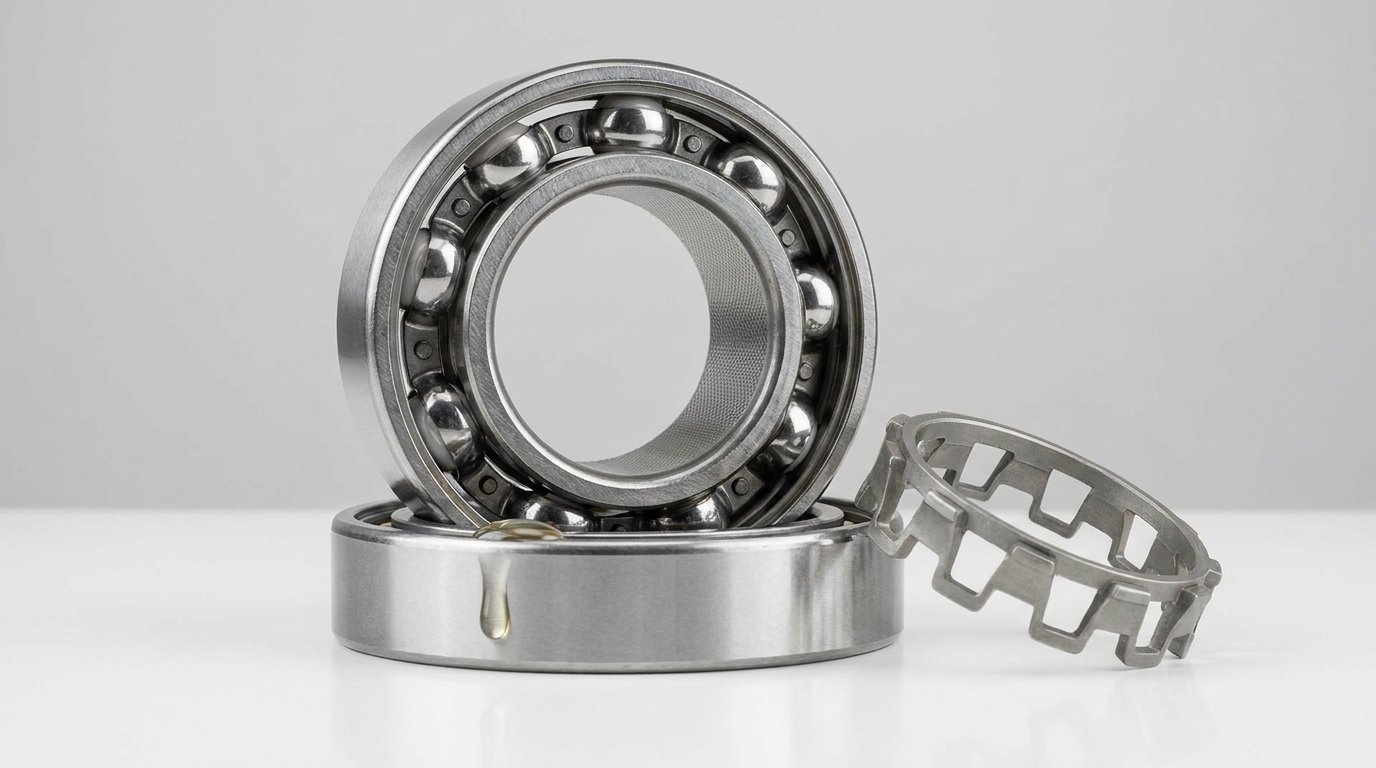
Techniques at a Glance
- Lubrication: Reduce direct contact between surfaces.
- Surface Treatments: Polishing, coating, or texturing to lower friction coefficients.
- Material Selection: Use of ceramics or polymers to reduce wear.
- Design Improvements: Incorporating features like low-friction seals or hybrid elements.
Haron Bearing Pro Tip: Always consult with bearing manufacturers like Haron Bearing to determine the best combination of materials and lubrication for your application.
Does polishing reduce friction?
Yes, polishing reduces friction by creating smoother surfaces, which decreases resistance between contact points. This is especially beneficial in high-speed applications where surface roughness can significantly impact performance.
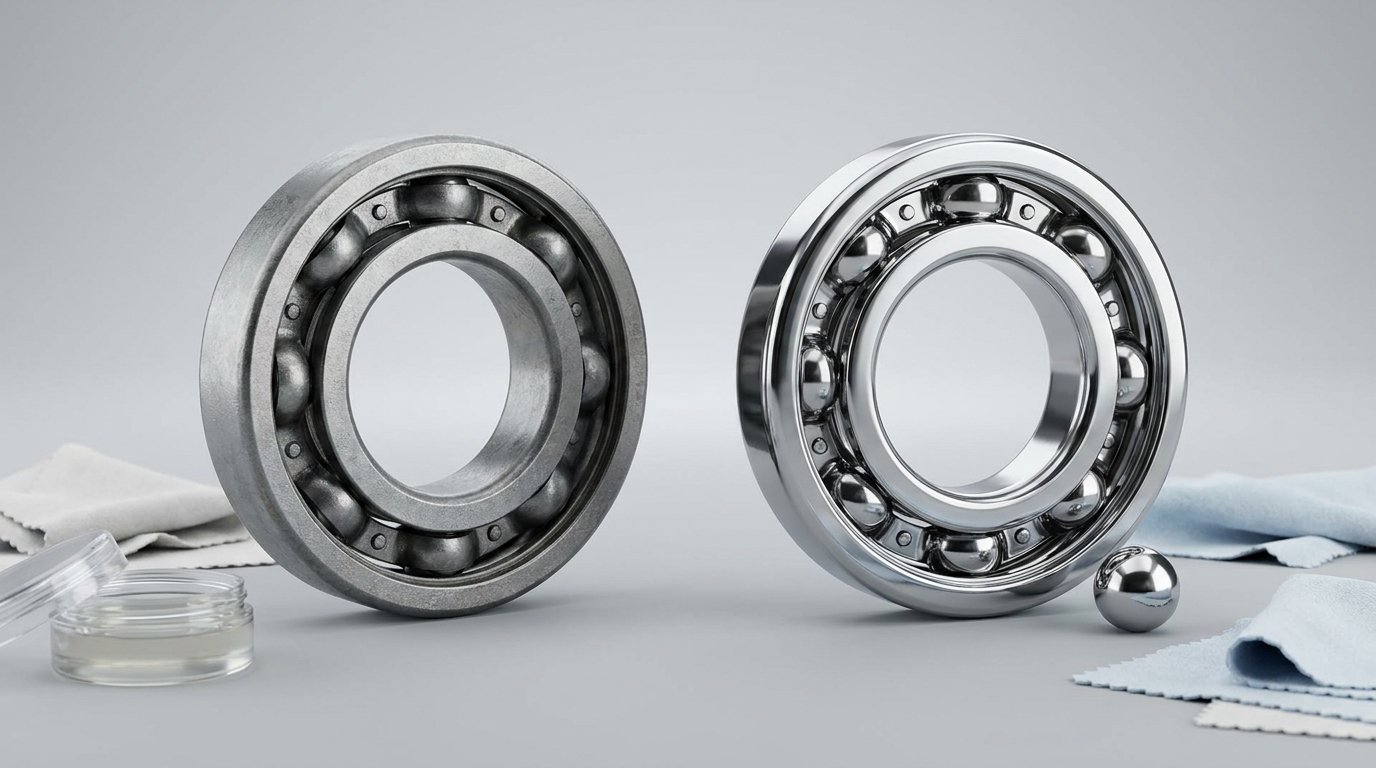
Benefits of Polishing
- Lower friction coefficients.
- Reduced heat generation.
- Enhanced durability of contact surfaces.
When to Consider Polishing
- For applications requiring ultra-precision.
- When using materials prone to surface wear.
Haron Bearing Pro Tip: Use micro-polishing techniques for critical applications to achieve the highest surface smoothness without compromising bearing integrity.
Key Features & Comparison
Based on our internal data and market analysis, here is the breakdown:
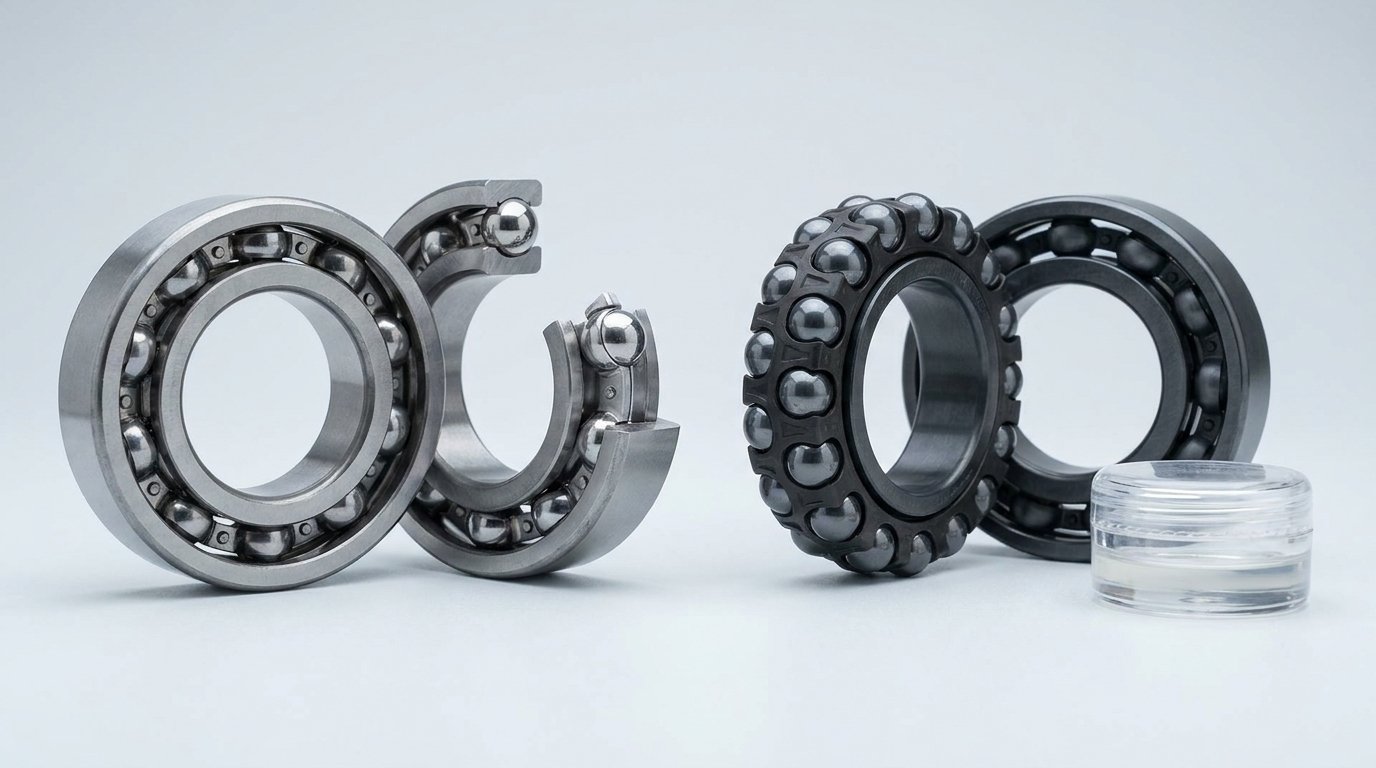
| Feature | Low-Friction Bearings | Standard Bearings |
|---|---|---|
| Coefficient of Friction | 0.001-0.005 | 0.01-0.02 |
| Speed Capability | High (up to 50,000 RPM) | Moderate (up to 15,000 RPM) |
| Maintenance Frequency | Low | Moderate to High |
| Cost | Higher | Lower |
Cost & Buying Factors
When purchasing bearings, consider the following:
- Application Requirements: Speed, load, and temperature tolerances.
- Material and Coating: Ensure compatibility with operating conditions.
- Lubrication Needs: Some bearings come pre-lubricated, reducing maintenance.
- Budget: While low-friction bearings cost more, they offer long-term savings.
Conclusion
Optimizing bearing performance in high-speed and precision applications is a blend of proper design, material selection, and maintenance. By reducing friction, you can enhance efficiency, minimize downtime, and extend operational life. For expert guidance and high-quality products, Haron Bearing offers innovative solutions tailored to your needs.