
Selecting bearings for harsh environments means matching materials, seals, lubrication, and fits to heat, chemicals, salt, and washdowns. Proper selection helps prevent corrosion, lubricant failure, and seal damage while improving hygiene, uptime, and service life.
Video Guide: This 8-step selection method provides a solid general framework you can adapt to high-heat, corrosive, and washdown bearing applications.
What bearings are best for harsh, wet, and corrosive environments?
These are bearing configurations engineered to survive elevated temperatures, chemical exposure, salt spray, and high-pressure washdowns. They typically combine stainless or coated rings, corrosion-resistant rolling elements, robust seals, and specialized greases to prevent rust, lubricant washout, and thermal degradation in food, marine, and chemical processing equipment.
Video Guide: This overview helps connect material selection to real salt-water corrosion mechanisms relevant to marine and wet environments.
Typical constructions and where they fit best
Harsh-environment bearings are not one “type”—they’re a combination of design choices tuned to your threats (temperature, chemistry, water ingress, and cleaning pressure). The same bearing size can perform very differently depending on metallurgy, sealing, and lubricant.
Key sub-categories you’ll see in the field:
- High temperature bearings / heat resistant bearings: optimized cages and grease (or solid lubrication) to resist oxidation and maintain film strength at temperature.
- Corrosion resistant bearings / chemical resistant bearings: stainless steels, polymer cages, and compatible greases to resist acids/alkalis/solvents.
- Washdown bearings / sealed bearings for wet conditions: heavy-duty sealing, purge paths, and food-grade grease options to survive repeated rinse cycles.
- Marine environment bearings: stainless or protected steel for chloride attack, plus sealing that resists saltwater intrusion.
- Industrial stainless bearings: commonly 440C/420 stainless (or specialty grades) used when corrosion resistance and load capacity must be balanced.
Haron Bearing Pro Tip: I treat “washdown” as a system requirement, not a bearing label—if the seal, grease, and housing interfaces aren’t designed together, stainless alone won’t stop water ingress and failure.
How do high-temperature and corrosion-resistant bearings work?
They work by preventing contamination and corrosion from reaching the raceways while keeping a stable lubricant film under heat and washdown. Material choices resist chemical attack, seals block water and particulates, and specialty greases maintain viscosity and oxidation resistance so rolling elements continue to run on a protective film instead of metal-to-metal contact.
Video Guide: This explains practical ways temperature rises occur and how controlling heat directly improves bearing life and lubricant stability.
Failure-mode control: heat, chemistry, and water ingress
In harsh environments, bearings fail less from pure fatigue and more from corrosion, lubricant breakdown, and contamination. The “work” is therefore about risk reduction:
- Barrier protection (seals/shields): prevents direct water/chemical entry and reduces washdown-driven pressure pulses into the bearing.
- Chemical resistance (materials): stainless rings/balls or coatings slow rust initiation; polymer cages may resist certain media better than metal.
- Lubricant resilience: high-temp greases resist oxidation and oil separation; washdown greases resist emulsification and washout; food processing bearings often require NSF H1 lubricants.
- Geometry + internal clearance: high temperature expansion can remove internal clearance; selecting proper clearance class helps avoid preload and overheating.
- Housing interface: proper fits, drainage, and surface finish reduce crevice corrosion and keep cleaning fluids from being trapped.
A practical selection checklist (what to confirm before specifying):
- Operating temperature (steady and peaks) and heat source (ambient vs conducted)
- Media exposure (chlorides, caustics, acids, solvents, detergents) and concentration
- Washdown method (pressure, temperature, spray angle, frequency)
- Required hygiene standard (food-grade grease, cleanability)
- Expected relube strategy (sealed-for-life vs purgeable)
Haron Bearing Pro Tip: When washdown is involved, I always confirm spray direction and nozzle pressure—water jets can “hydraulically pump” past marginal seals even if the bearing looks fully sealed on paper.
What are the benefits of high-temperature and corrosion-resistant bearings?
The main benefits are longer service life, fewer unplanned stoppages, and improved safety and hygiene where water, chemicals, or heat would quickly destroy standard bearings. You also reduce relubrication frequency, protect surrounding components from rust staining, and maintain consistent torque and precision in wet, hot, or corrosive processes.
Video Guide: This shows how stainless mounted bearing solutions address corrosion and sealing challenges common in washdown and wet-duty equipment.
Operational and compliance gains you can quantify
Benefits typically show up in uptime, maintenance labor, and risk reduction—especially in food, beverage, chemical, and marine equipment.
Where customers most often see ROI:
- Reduced corrosion-driven failures: fewer seized bearings and shaft damage in wet zones.
- Lower lubricant washout: stable lubrication reduces heat and wear after repeated cleaning cycles.
- Improved hygiene outcomes: stainless steel bearings for washdown and food processing bearings reduce rust contamination risk; food-grade grease supports audit readiness.
- More stable performance: consistent torque and vibration behavior in humid or chemically aggressive atmospheres.
- Simplified spares: standardizing on bearings for harsh environments reduces emergency substitutions that fail quickly.
Common application examples:
- Conveyor end rollers in food plants (daily washdown)
- Pump motors and mixers in chemical lines (vapor + splash)
- Dock equipment and winches (salt spray + standing water)
- Ovens, dryers, and sterilizers (heat + steam cycling)
Haron Bearing Pro Tip: If your failures “cluster” right after sanitation shifts, treat that as evidence of seal/lube mismatch—not as a random quality problem.
How do you maintain high-temperature and corrosion-resistant bearings?
Maintain them by controlling washdown practices, using compatible lubricants, inspecting seals, and preventing trapped moisture around housings. Use correct relube intervals (or confirm sealed-for-life limits), verify temperatures and vibration trends, and replace bearings proactively when corrosion or seal damage appears. Proper storage and handling also prevent “new” bearings from corroding before installation.
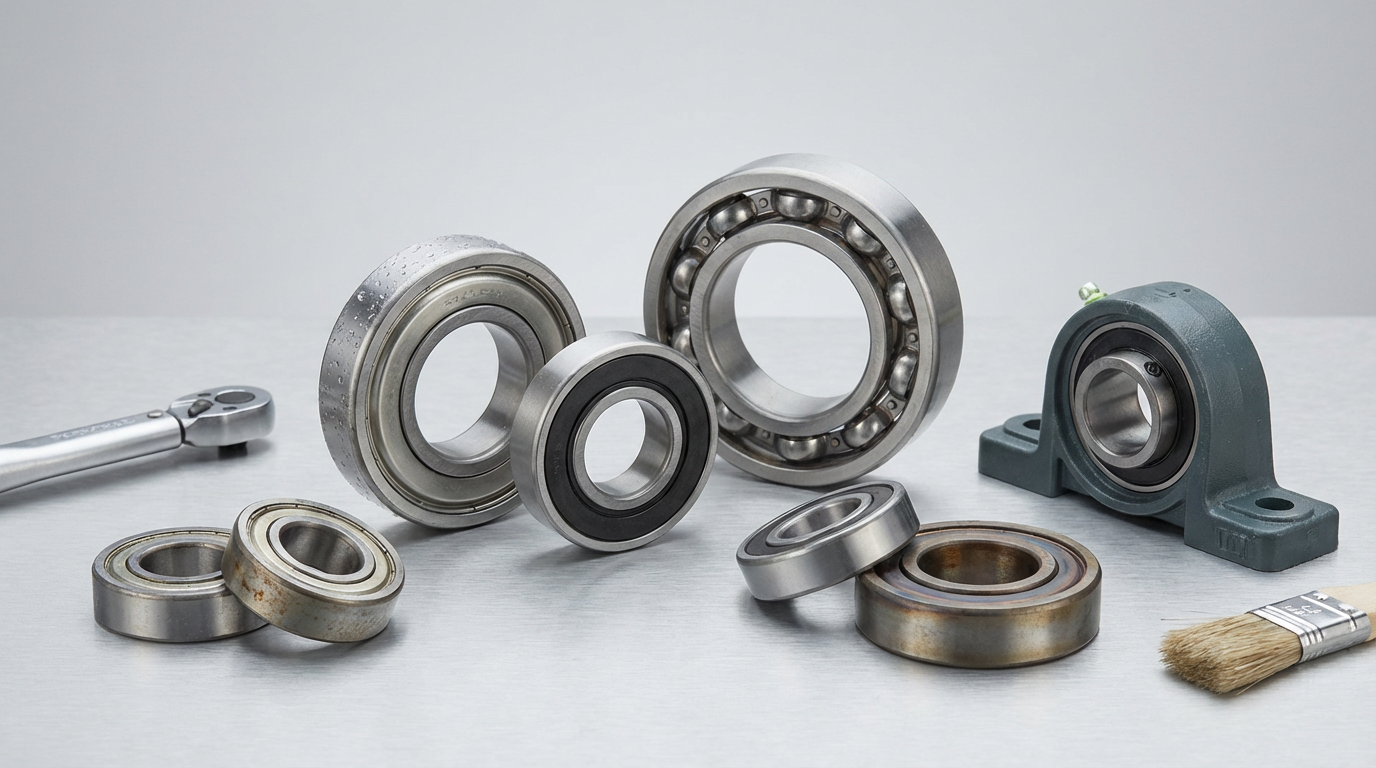
Maintenance routines that actually extend life in wet and corrosive duty
Use a maintenance plan that matches the environment rather than a generic interval.
Recommended routine:
- Sanitation alignment: avoid direct high-pressure spray at seals; use lower pressure near rotating equipment when possible.
- Grease control:
- For relubeable units, purge correctly (enough to push out water/contaminants without blowing seals).
- For food processing bearings, verify NSF H1 (or required) grease and compatibility with existing grease.
- Seal inspection: look for lip damage, hardening, cracks, or missing flingers; replace before water ingress becomes chronic.
- Condition monitoring: trend temperature and vibration; sudden torque increase often indicates water contamination or corrosion pitting.
- Corrosion prevention at interfaces: ensure drainage, avoid crevice traps, and use suitable anti-seize or protective compounds where appropriate.
- Storage/installation: keep bearings sealed until use; avoid leaving stainless bearings wet after cleaning—dry-down matters.
Maintenance do/don’t list:
- Do: verify chemical compatibility of cleaners with seals and grease.
- Do: rinse off aggressive chemicals after cleaning to limit crevice attack.
- Don’t: mix grease types without confirming compatibility.
- Don’t: assume stainless eliminates the need for sealing.
Haron Bearing Pro Tip: I’ve seen “corrosion resistant bearings” fail because the cleaner attacked the seal compound—always validate detergent/caustic compatibility with seal material, not just ring material.
What is the price of high-temperature and corrosion-resistant bearings?
Pricing varies widely because materials, sealing, lubricant type, and compliance requirements drive cost more than size alone. Standard sealed bearings may be lowest cost, while stainless steel bearings for washdown, chemical resistant bearings, and high temperature bearings with specialty grease and cages command premiums. Total cost should include downtime, relube labor, and replacement frequency.
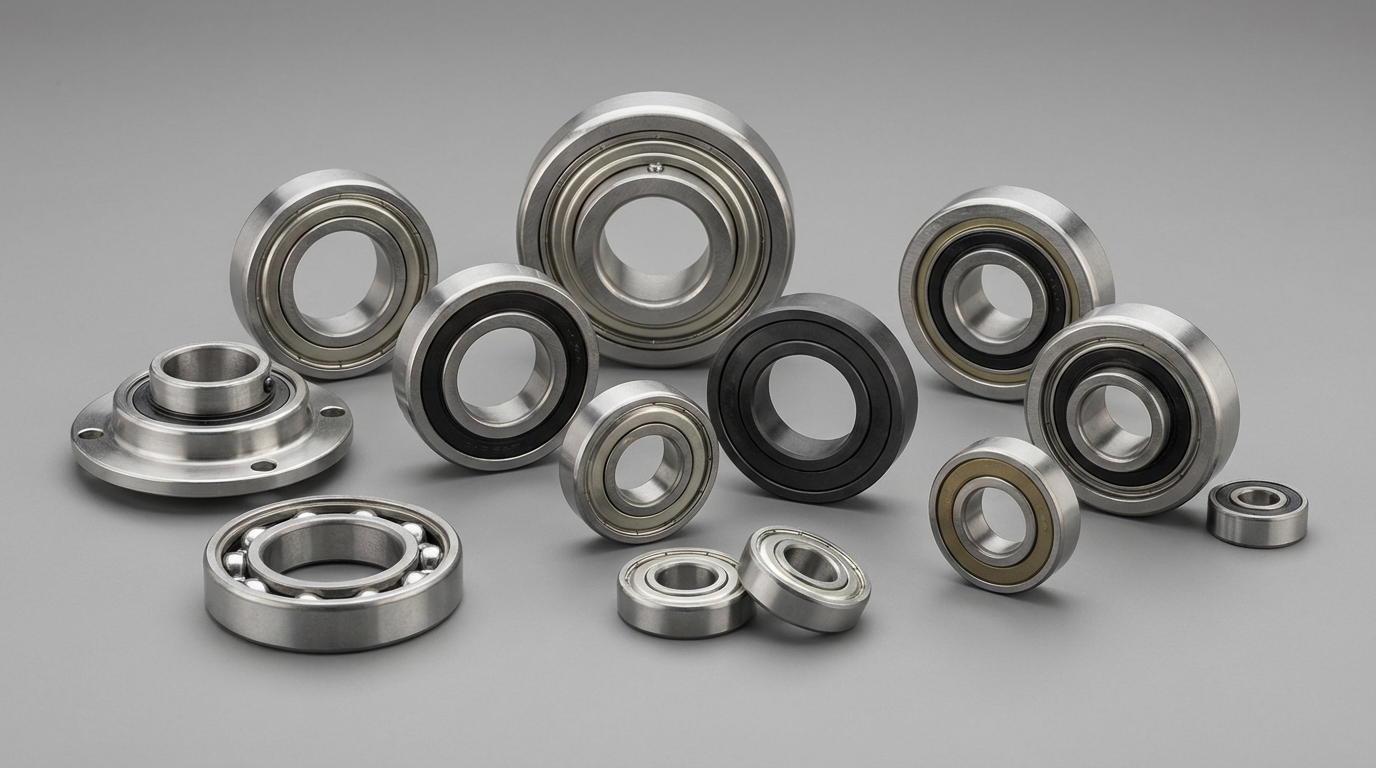
What drives cost in harsh-environment bearing selections
Key price drivers:
- Material set: stainless rings/balls, ceramic hybrids, or protected steels
- Seal architecture: contact seals, labyrinth seals, multi-lip designs, flingers
- Lubricant: high-temp grease, washdown-resistant grease, food-grade (NSF) requirements
- Certifications/compliance: food-grade documentation, traceability, specialized packaging
- Bearing style: mounted units vs insert bearings vs precision types
- Volume and standardization: repeatable SKUs lower unit and procurement cost
A simple budgeting framework:
- Lowest initial cost: standard steel bearing with basic seals (often poor in washdown/corrosion)
- Mid-range: sealed bearings for wet conditions with improved grease and sealing
- Higher: industrial stainless bearings / marine environment bearings with enhanced sealing
- Highest: heat resistant bearings for high temps + chemical exposure + specialty seals/grease
Haron Bearing Pro Tip: I recommend quoting two scenarios: “cheapest that fits” and “standardized harsh-duty upgrade”—the second often wins once you attach downtime and maintenance hours to the spreadsheet.
Key Features & Comparison
Based on our internal data and market analysis, here is the breakdown:
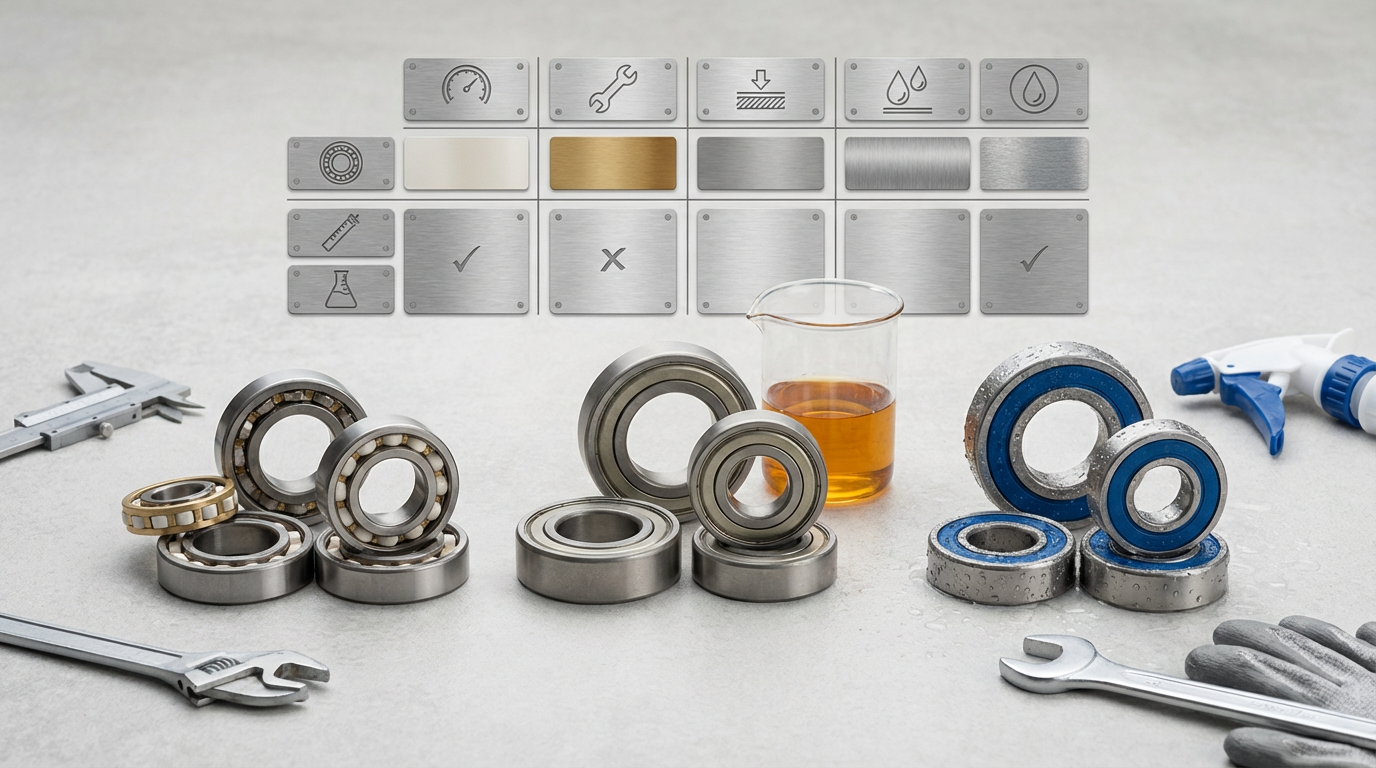
| Bearing option (typical) | Best for | Temperature capability (relative) | Corrosion resistance (relative) | Washdown survivability (relative) | Trade-offs to expect |
|---|---|---|---|---|---|
| Standard steel, basic seals | Dry industrial | Medium | Low | Low | Fast rusting, grease washout, short life in wet duty |
| Sealed bearings for wet conditions (enhanced seals + grease) | Splash, humidity, moderate washdown | Medium | Medium | High | Higher torque; seal wear if misaligned |
| Stainless steel bearings for washdown (food) | Frequent sanitation, hygiene zones | Medium | High | High | Lower load capacity vs some steels; cost premium |
| Marine environment bearings (stainless/protected + sealing) | Salt spray, docks, coastal plants | Medium | High | High | Must manage crevice corrosion; correct grease still critical |
| Chemical resistant bearings (materials + compatible seals/grease) | Acids/alkalis/solvents exposure | Medium | High | Medium | Requires media-specific validation; wrong cleaner can defeat seals |
| High temperature bearings / heat resistant bearings (special cages + grease) | Ovens, dryers, hot conveyors | High | Medium | Medium | Lubrication limits dominate; may need relube strategy change |
| Hybrid (ceramic balls + corrosion-resistant rings) | High speed + corrosion risk | High | High | Medium | Costly; requires careful handling and fit control |
Cost & Buying Factors
Match the bearing to the dominant failure mode first (washout, corrosion, heat), then layer in compliance and maintenance realities. When specifying for bearings for corrosive environments or washdown bearings, confirm seal design, grease type, and housing drainage—not just “stainless.”
Key buying factors to document on every RFQ:
- Environment: chemicals present, chloride level, cleaning method, water pressure and temperature
- Operating: RPM, load, shock, misalignment, duty cycle
- Thermal: steady temperature, peaks, heat soak, cooldown cycles
- Sealing: required ingress protection approach and acceptable drag/torque
- Lubrication: sealed-for-life vs relubeable, grease grade (including NSF H1 if needed)
- Materials: ring/ball grade, cage material, coatings, hardware (for mounted units)
- Interchangeability: dimensions, fits, clearances, and shaft/housing tolerances
- Lifecycle targets: expected hours, planned shutdown intervals, monitoring approach
Conclusion
Choosing high temperature bearings, corrosion resistant bearings, and washdown bearings requires balancing materials, seals, and lubrication against real chemical and cleaning exposure. Haron Bearing helps match harsh environment conditions to durable bearing specs and stable procurement.