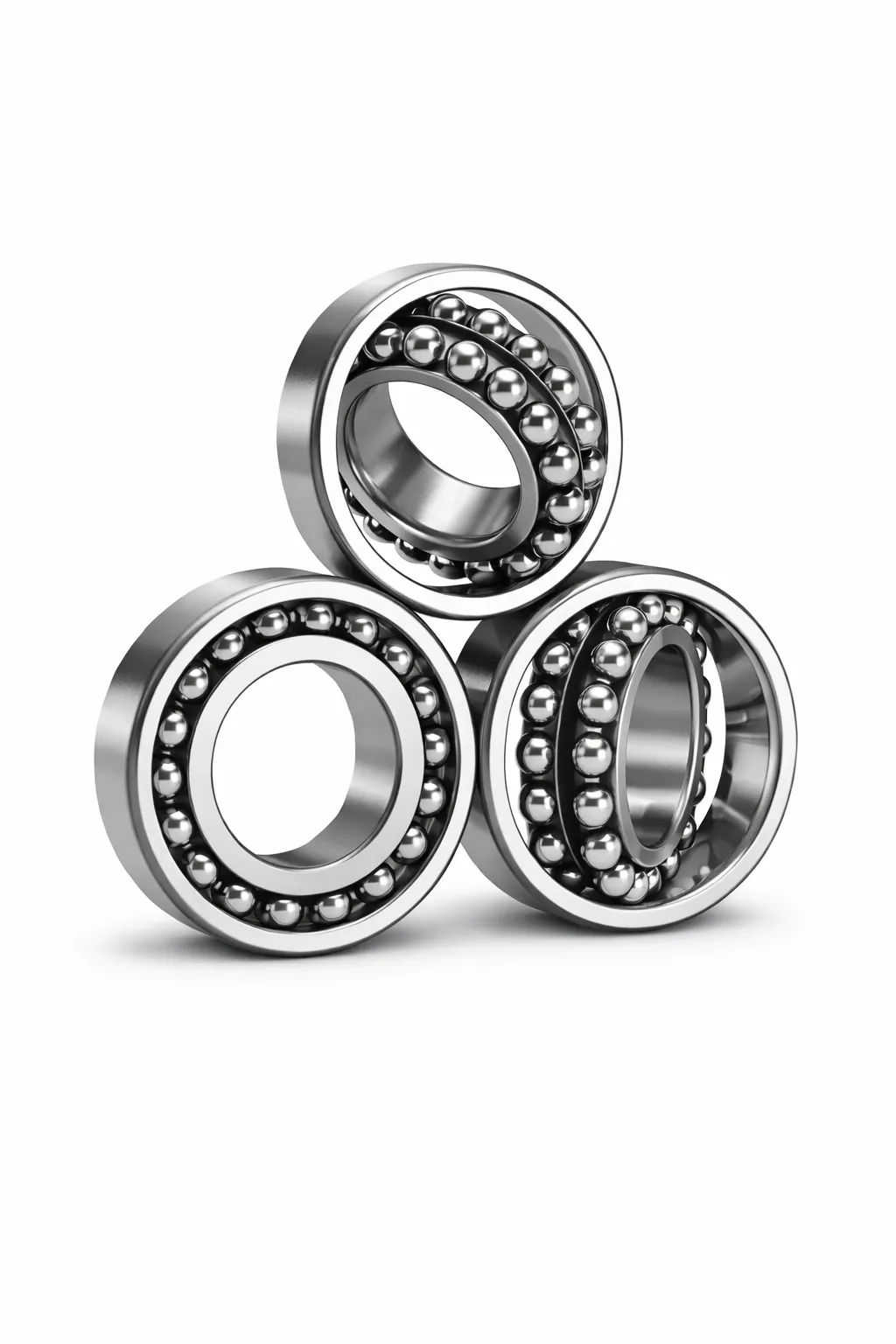
Engineered to automatically compensate for shaft misalignment and deflection. As a leading manufacturer, Haron provides high-precision double row self-aligning ball bearings for smooth rotation, low friction, and extended equipment lifespan in demanding industrial applications.
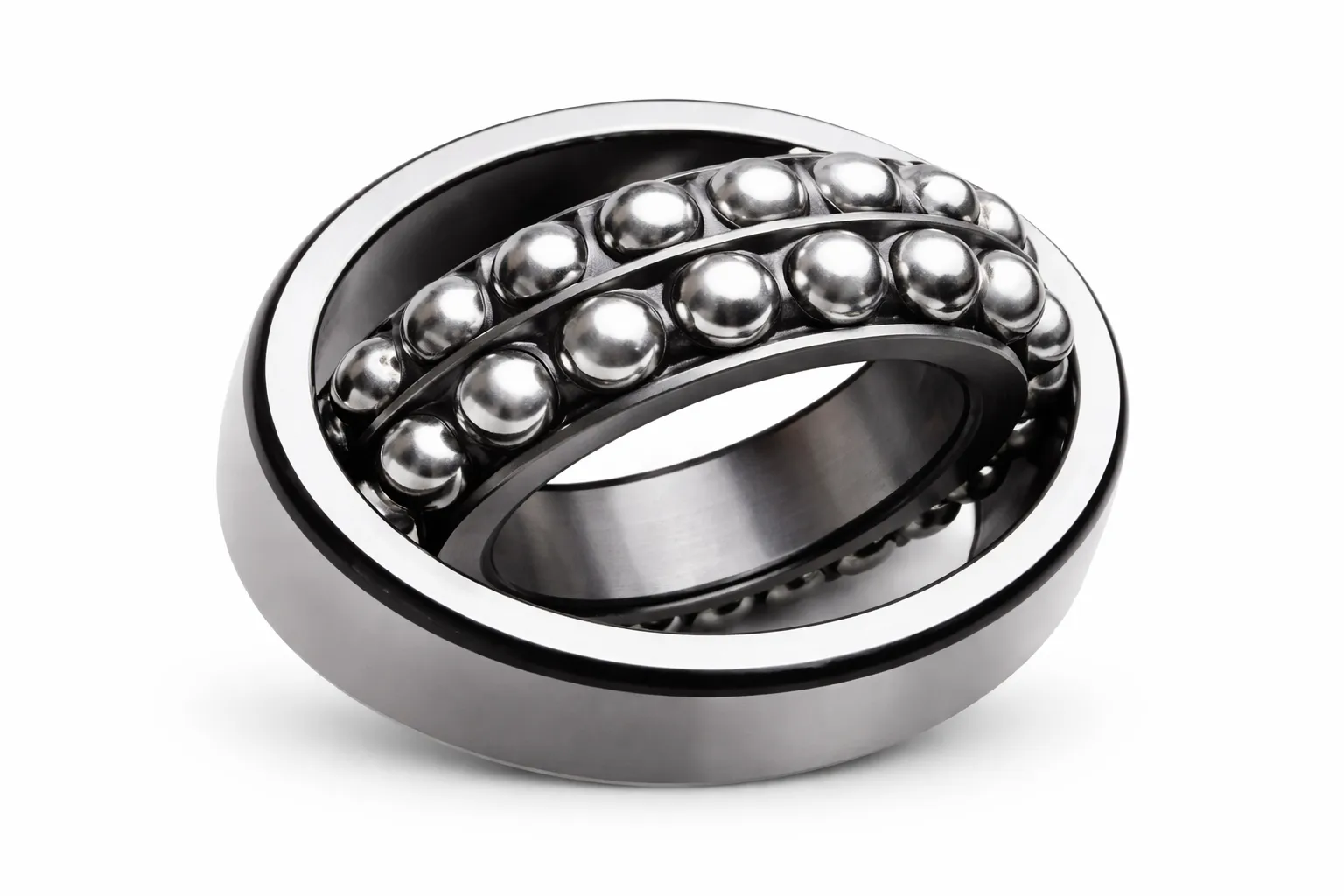
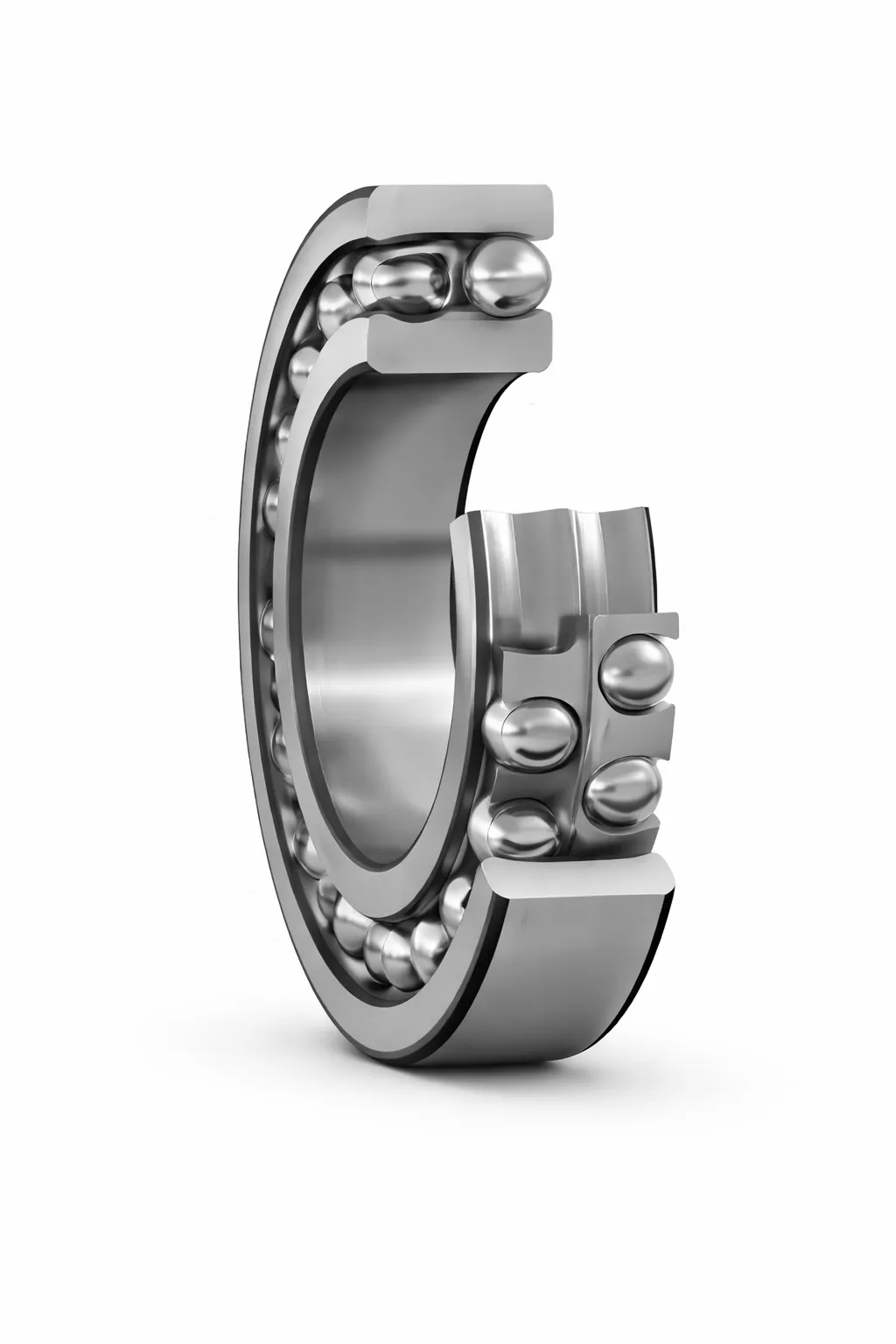
Self-aligning ball bearings are specialized rolling bearings designed with two rows of balls and a common spherical raceway in the outer ring. This unique internal construction allows the inner ring, balls, and cage to freely rotate and align themselves around the bearing center.
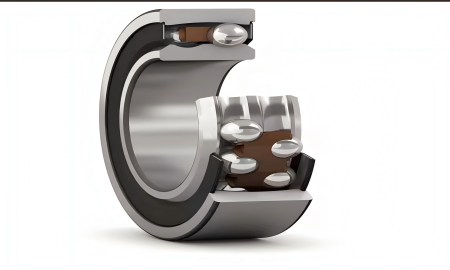
Featuring a spherical outer ring raceway, these bearings naturally adapt to angular misalignments caused by housing deformations or mounting errors.
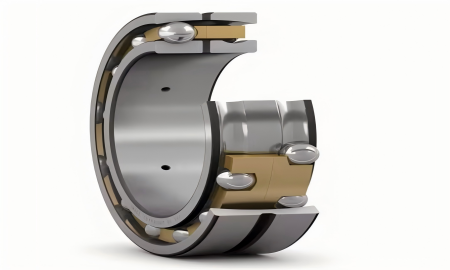
Industrial buyers choose them specifically for long shafts where accurate alignment is difficult to achieve or where significant shaft bending occurs during operation.
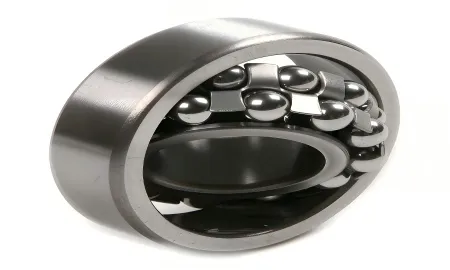
Mainly designed to carry radial loads, they can also accommodate light axial loads. They excel in high-speed applications due to their exceptionally low friction.
Engineered to accommodate shaft deflection and misalignment with up to P2-level precision. Our self-aligning series ensures stable, reliable performance across demanding industrial applications, backed by our large-scale manufacturing excellence.
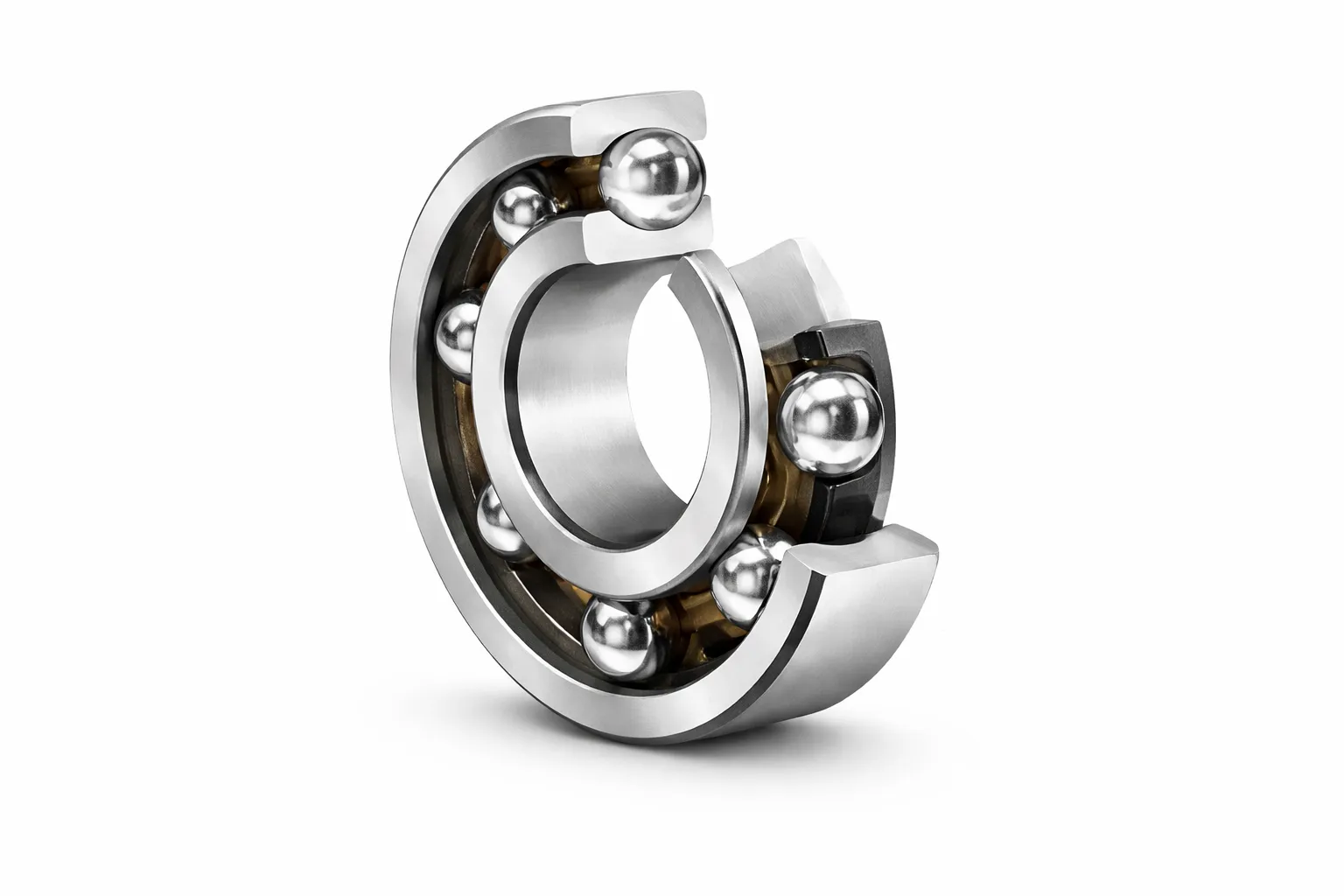
Optimized for applications with moderate radial loads and minor alignment errors. Features strict quality control to guarantee smooth operation, reduced friction, and extended service life.
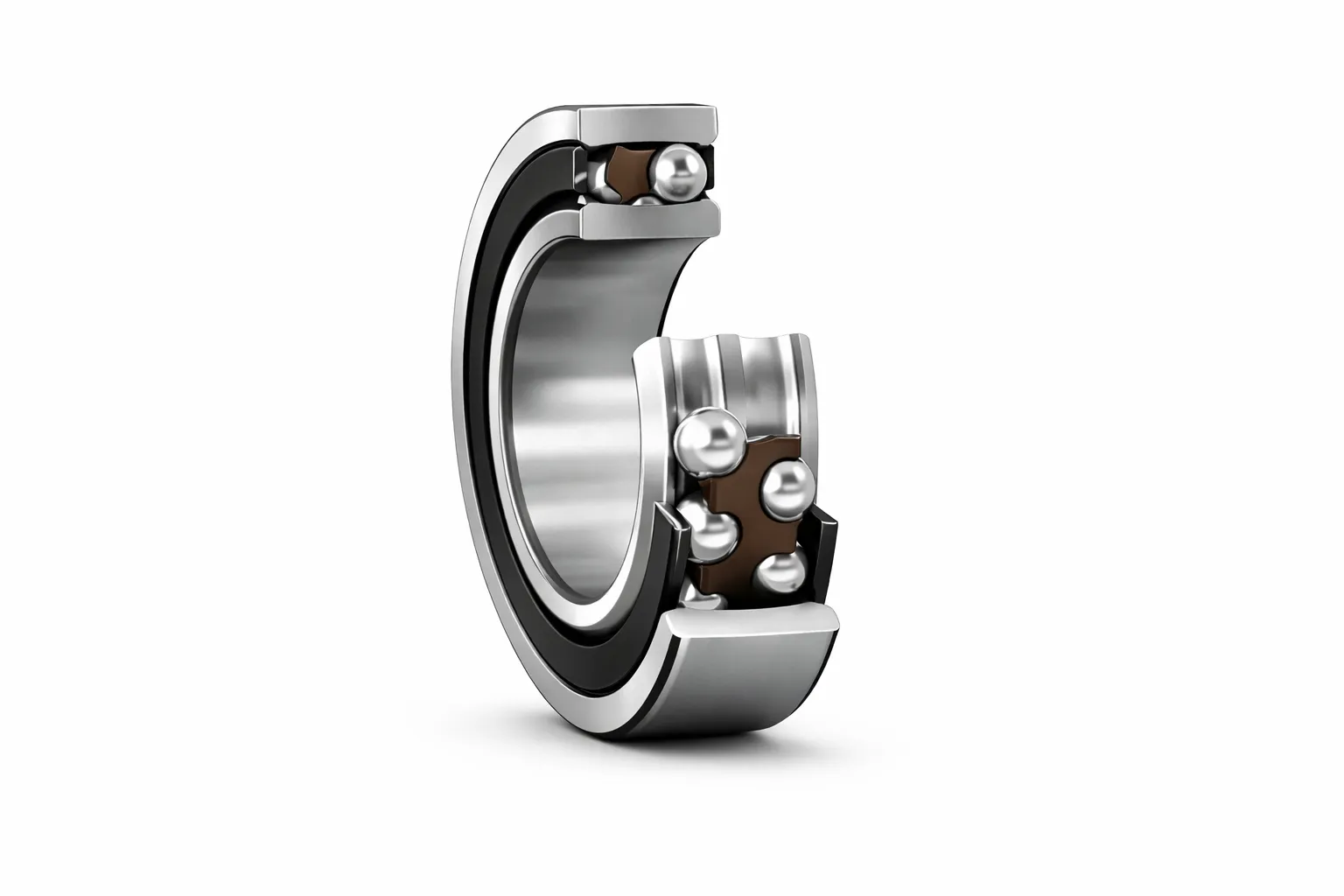
Designed for heavy-duty performance and complex environments. Offers superior load-carrying capacity while effectively compensating for significant shaft bending and housing misalignments.
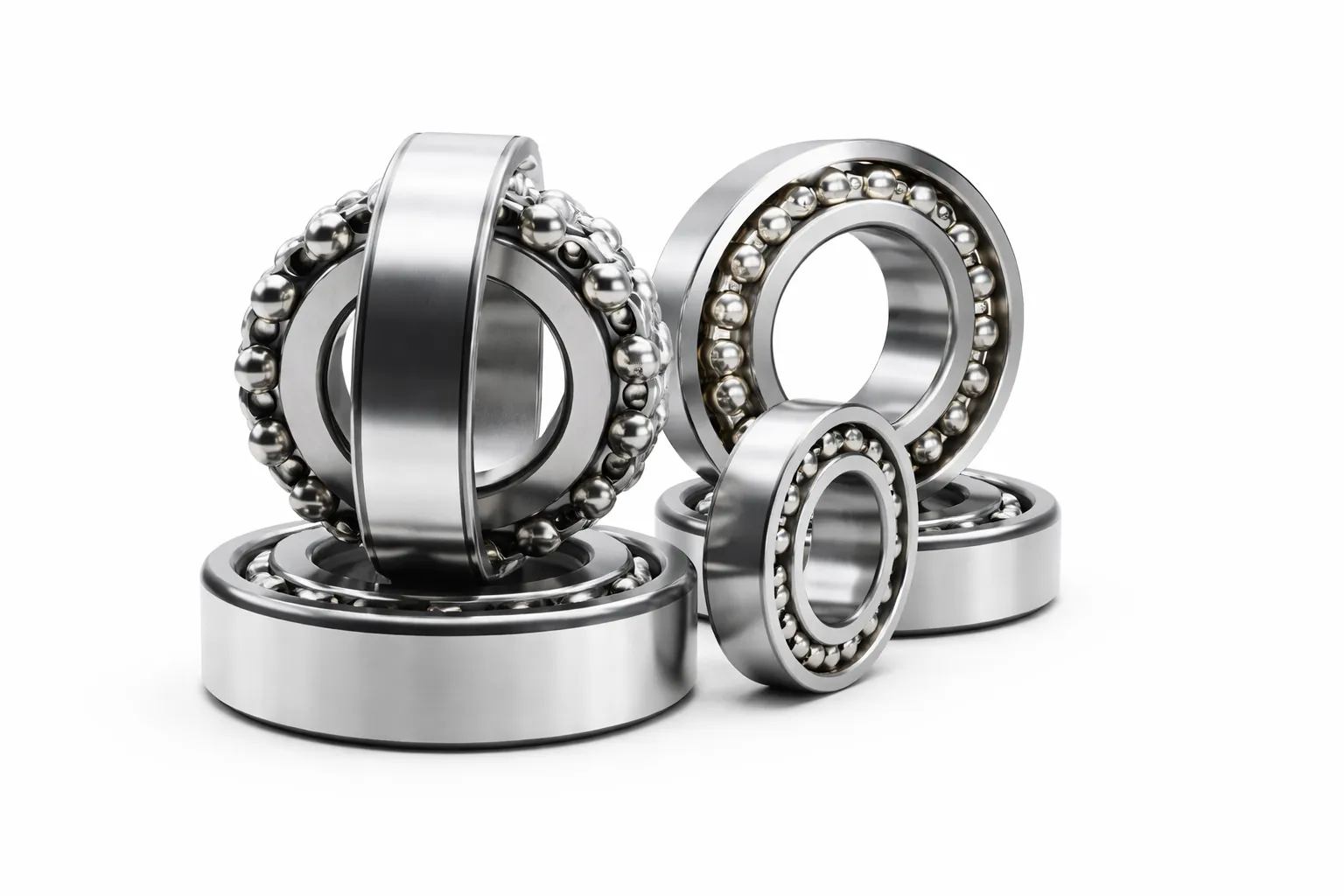
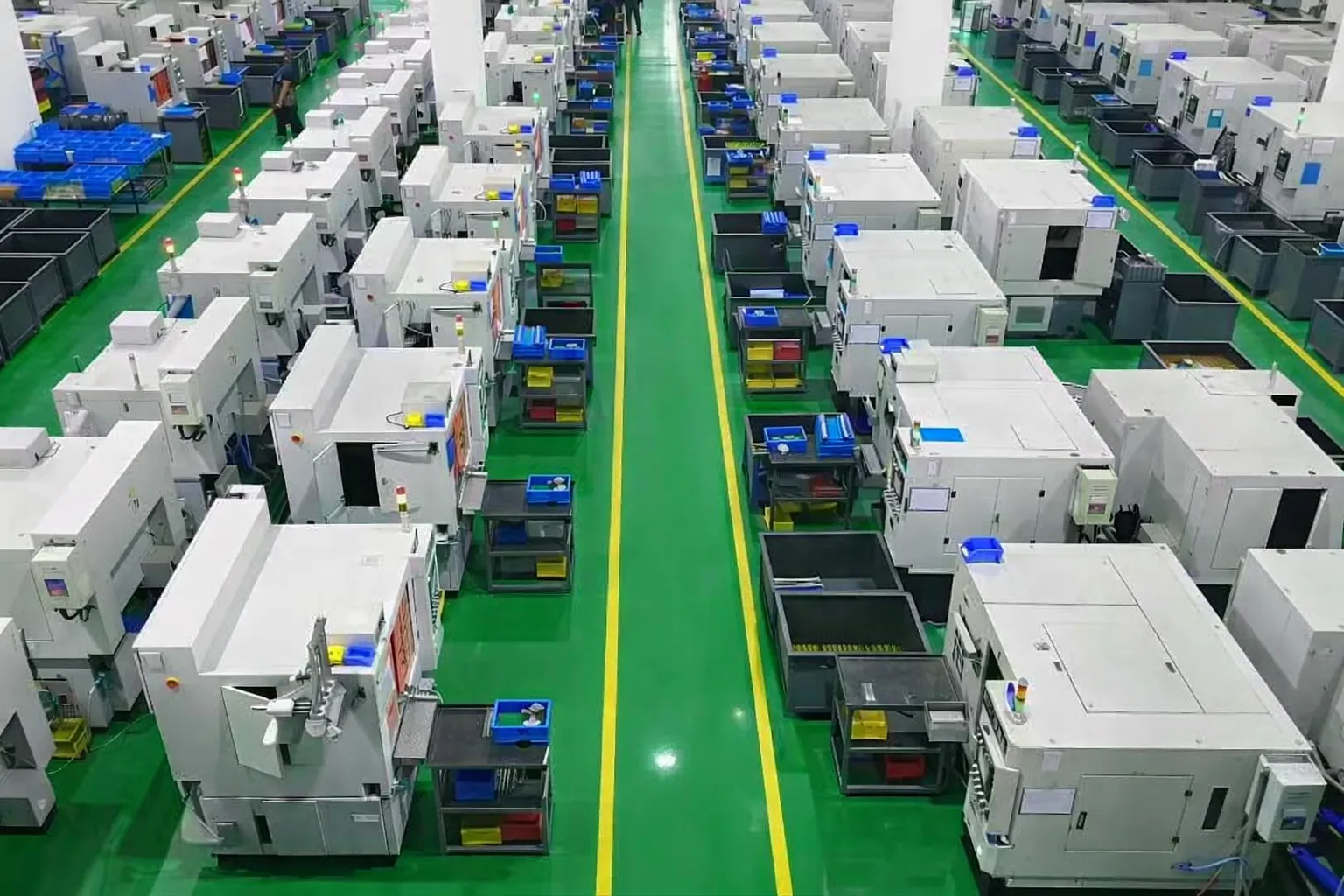
Non-standard bearing customization based on your exact drawings and application requirements. Leverage our 100 advanced production lines for flexible, high-precision ODM manufacturing.
Engineered for reliability, our self-aligning ball bearings provide critical advantages for machinery manufacturers and maintenance teams facing alignment challenges.
The spherical raceway allows the bearing to automatically adjust to angular misalignment between the shaft and housing, preventing edge loading and premature failure.
Maintains stable operation even when the shaft bends under heavy operating loads, making them ideal for agricultural and conveying equipment.
Generates significantly less friction than other rolling bearings. This exceptionally low friction allows for cooler running and suitability for relatively higher speed applications.
Precision manufacturing and optimal internal geometry ensure low noise and vibration levels, contributing to a better working environment and smoother machine operation.
As a dedicated bearing manufacturer, Haron ensures stable lead times and consistent quality for wholesale distributors, importers, and large OEM buyers globally.
We support custom dimensions, specific clearances, specialized greases, and private labeling to meet the exact requirements of your machinery designs.
The genius of the self-aligning ball bearing lies in its internal geometry. It features two rows of balls guided by a cage, sharing a common spherical raceway on the outer ring.
The center of curvature of this outer ring raceway coincides with the bearing center. This allows the inner ring, balls, and cage assembly to pivot freely within the outer ring. When angular misalignment occurs—whether from mounting errors or shaft deflection under load—the bearing compensates internally without creating destructive edge stresses on the balls or raceways.
Because the contact angle is relatively small, the primary load path is optimized for radial loads, while still maintaining the capacity to handle light axial loads in either direction. The point contact between the balls and the raceway ensures the lowest friction of any rolling bearing type.
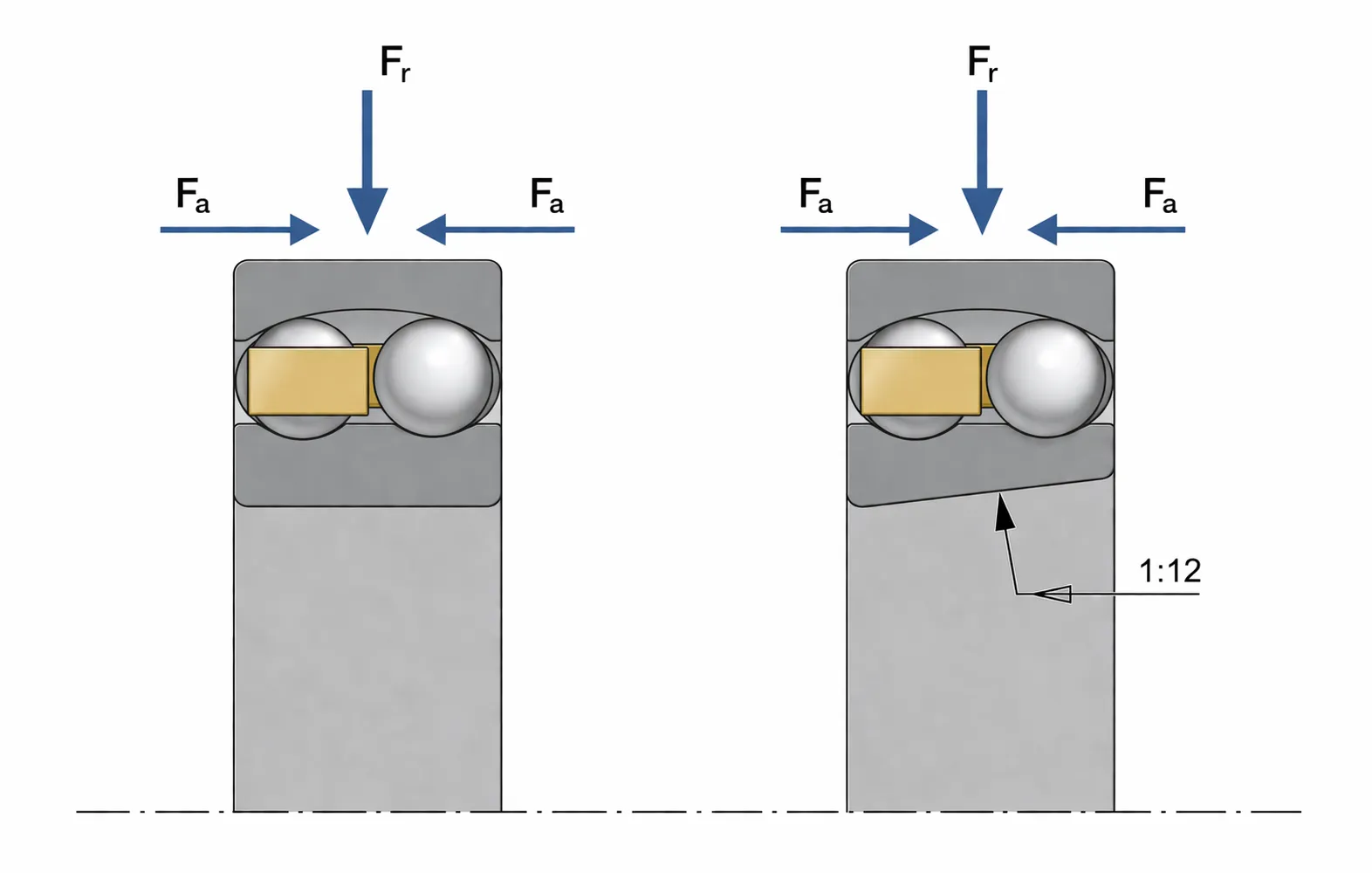
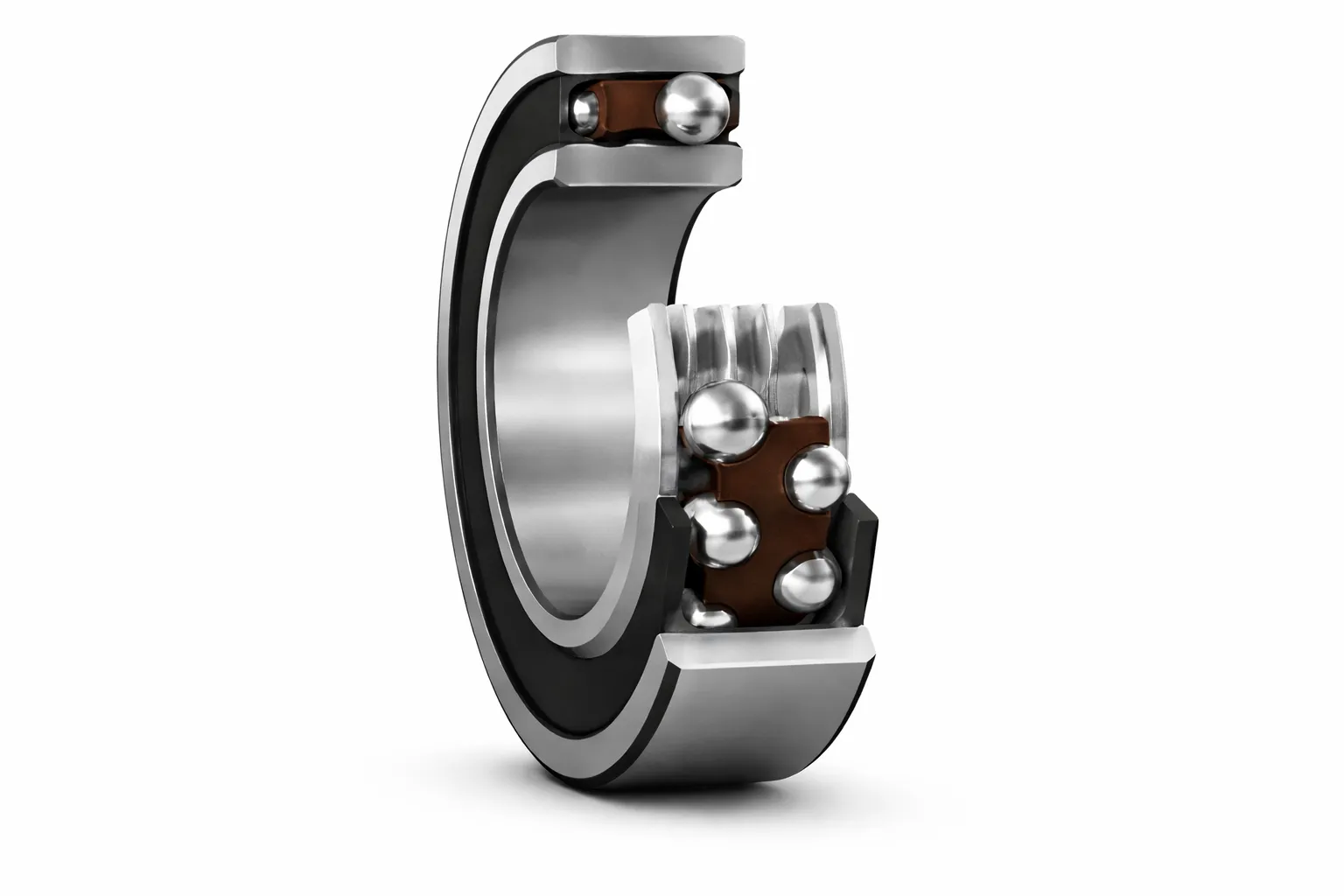
As a comprehensive manufacturer, we offer a wide range of self-aligning ball bearings to suit various mounting requirements and operating environments.
The standard configuration, designed to be mounted directly onto a cylindrical shaft using interference fits.
Features a 1:12 taper. Mounted using adapter sleeves or withdrawal sleeves, allowing for easy mounting on smooth or stepped shafts.
Equipped with contact seals on both sides and pre-lubricated with high-quality grease for maintenance-free operation.
Designed for commercial shafting. The extended inner ring is secured to the shaft using pins or set screws.
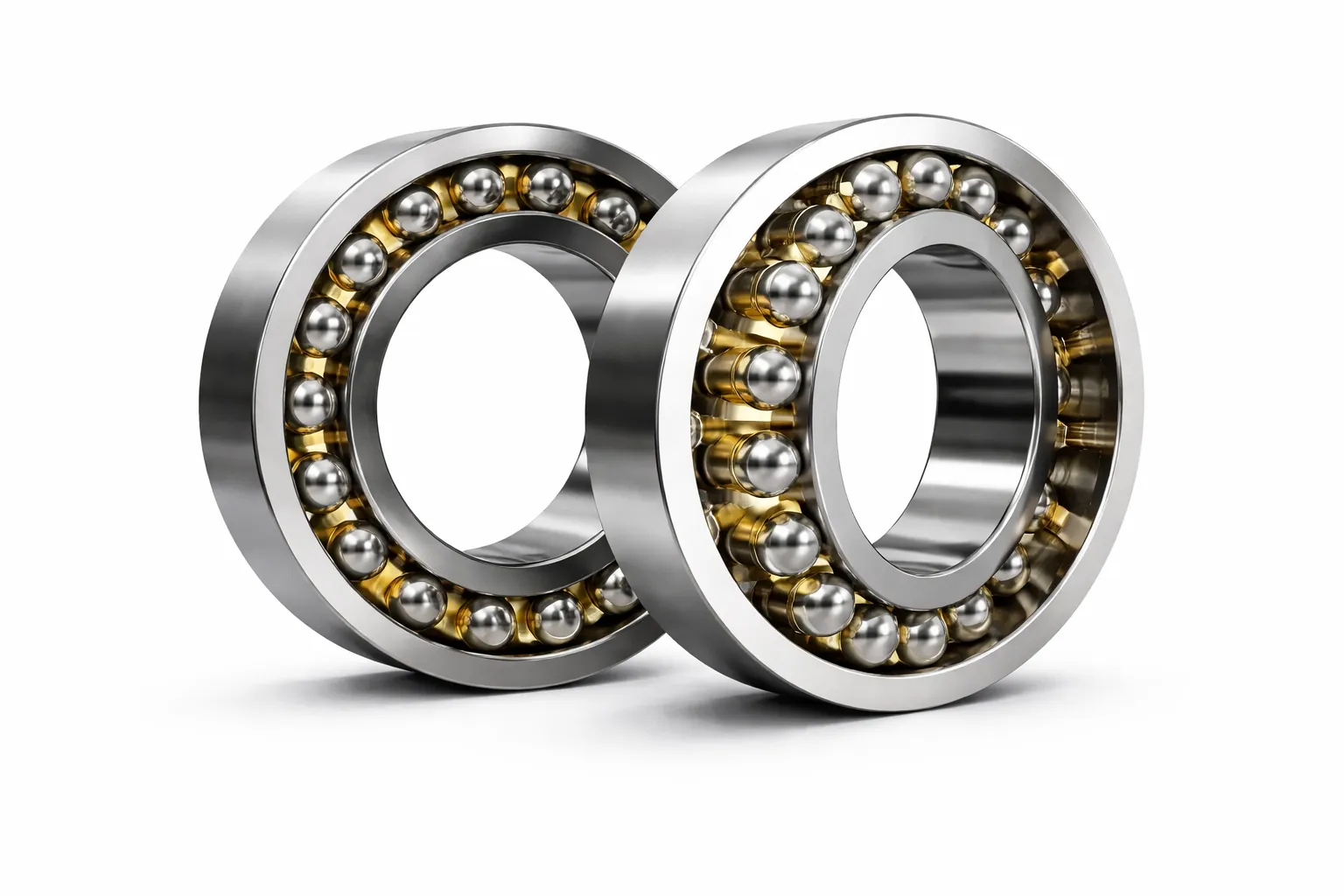
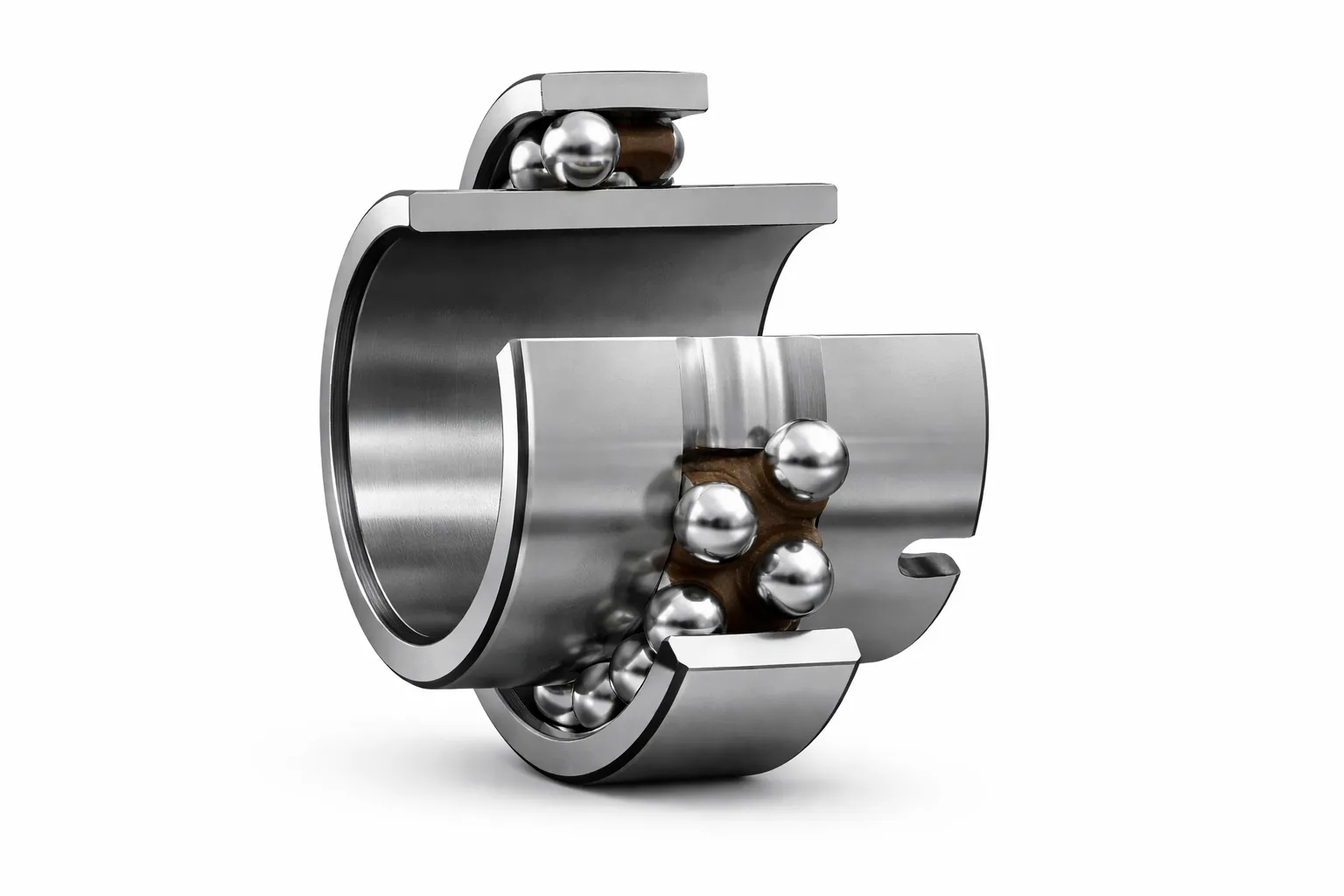
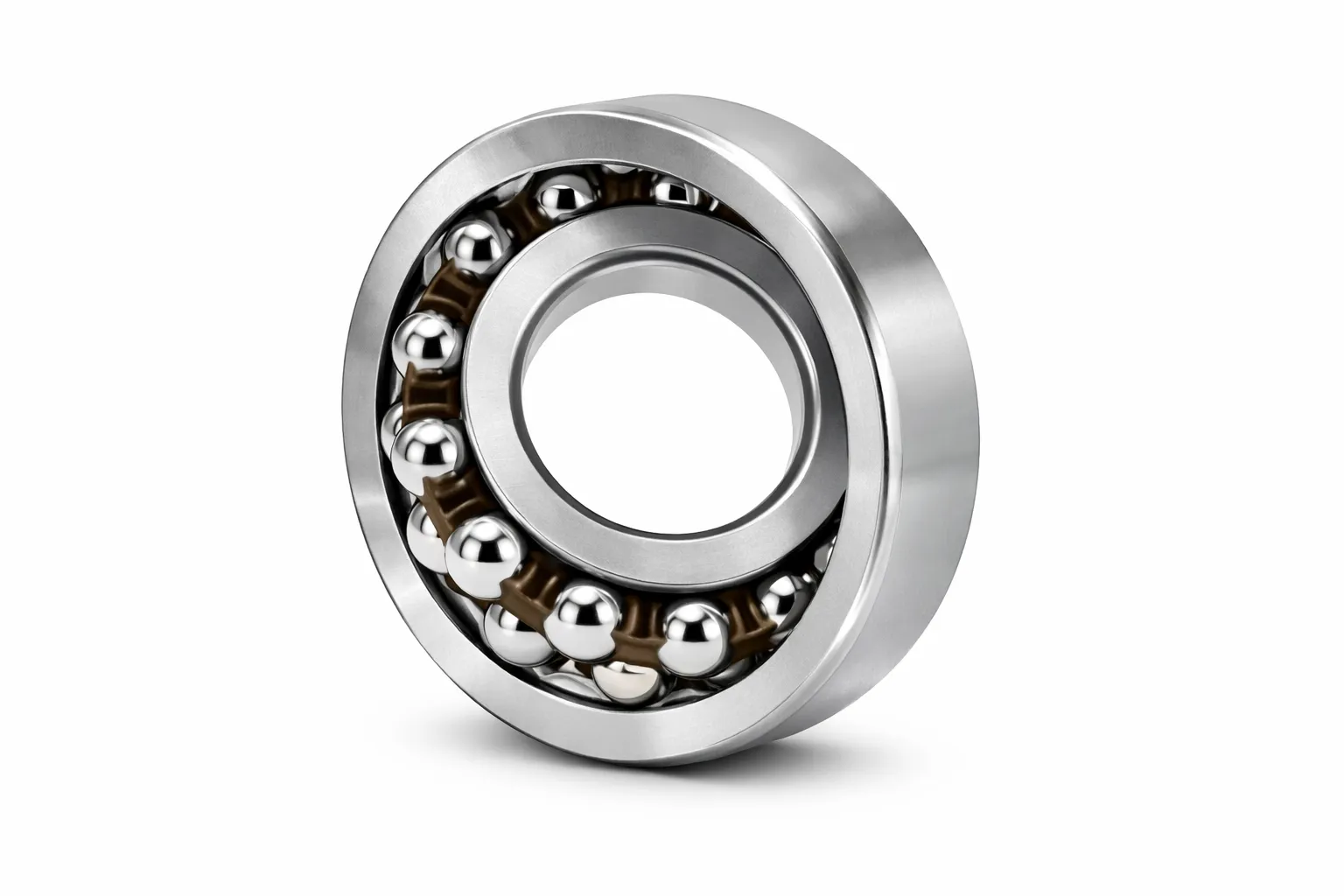
Our industrial self-aligning ball bearings are manufactured to strict international standards (ISO/DIN). Below are the general parameters. Detailed model-by-model technical data, including dynamic/static load ratings and limiting speeds, is available upon request.
| Bore Diameter Range | 5 mm to 150 mm (Standard) |
|---|---|
| Dimensional Series | 1200, 1300, 2200, 2300, 11200 |
| Material Options | Chrome Steel (GCr15), Stainless Steel |
| Cage Types | Steel Stamped (J), Machined Brass (M), Glass-fiber reinforced Polyamide (TN9) |
| Internal Clearance | C2, Normal (CN), C3, C4 |
| Precision Grades | P0 (ABEC-1), P6 (ABEC-3), P5 (ABEC-5) |
| Permissible Misalignment | Approx. 1.5° to 3° (Depending on series and seals) |
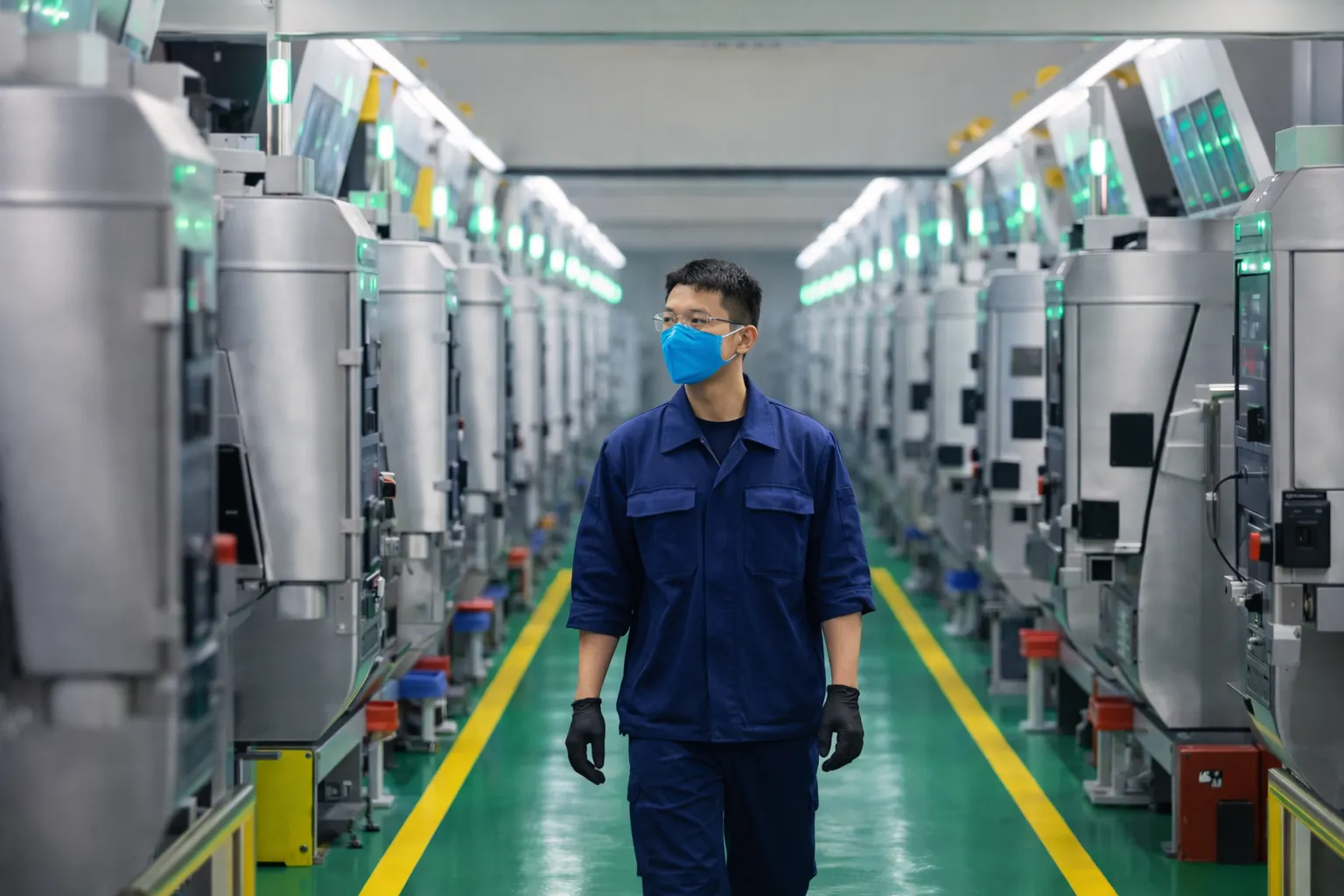
Wherever shaft deflection, difficult alignment, or long shaft spans are present, our self-aligning ball bearings provide the reliable solution. Widely trusted by global machinery manufacturers.
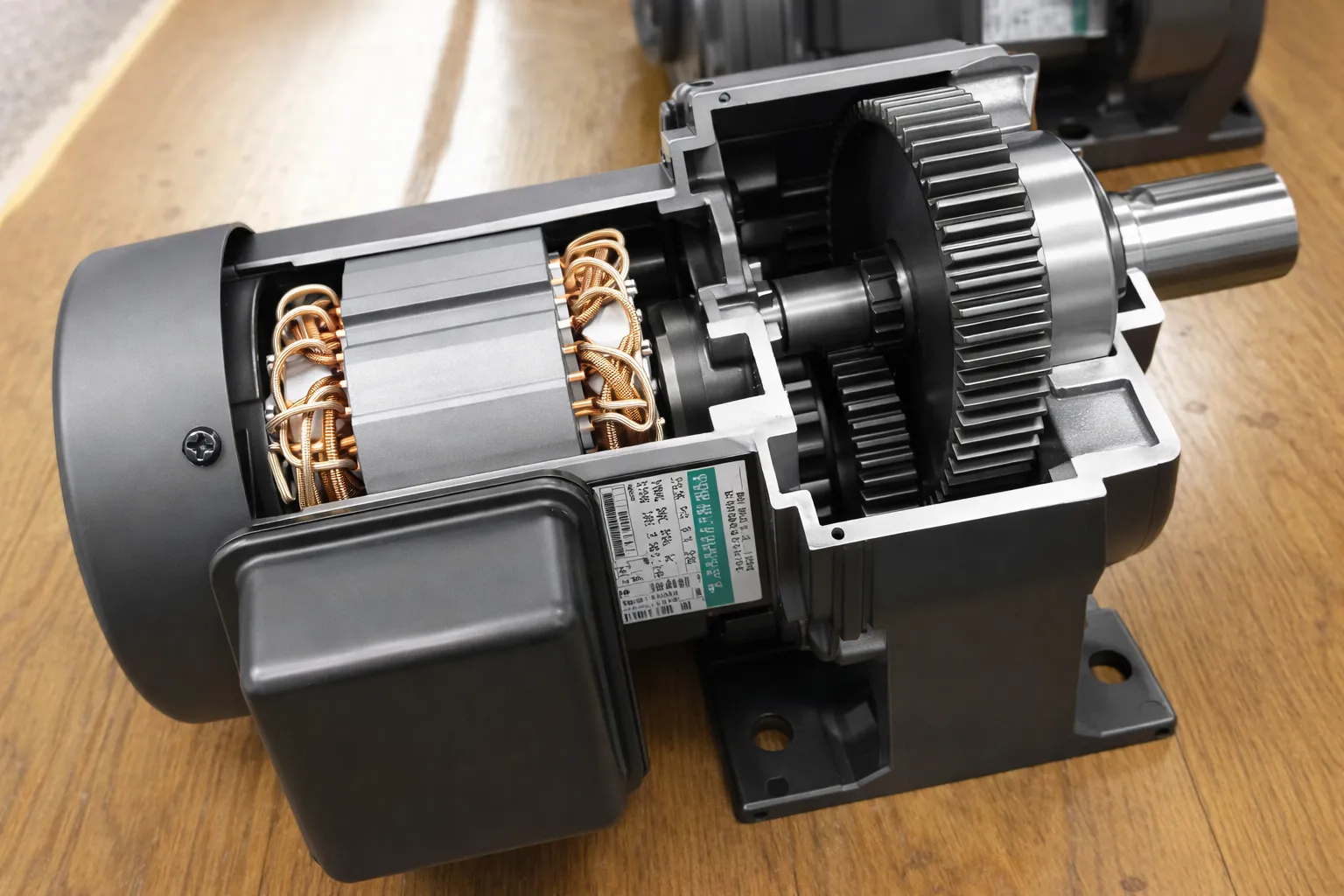
Compensates for housing deformations and ensures smooth power transmission even under fluctuating loads.
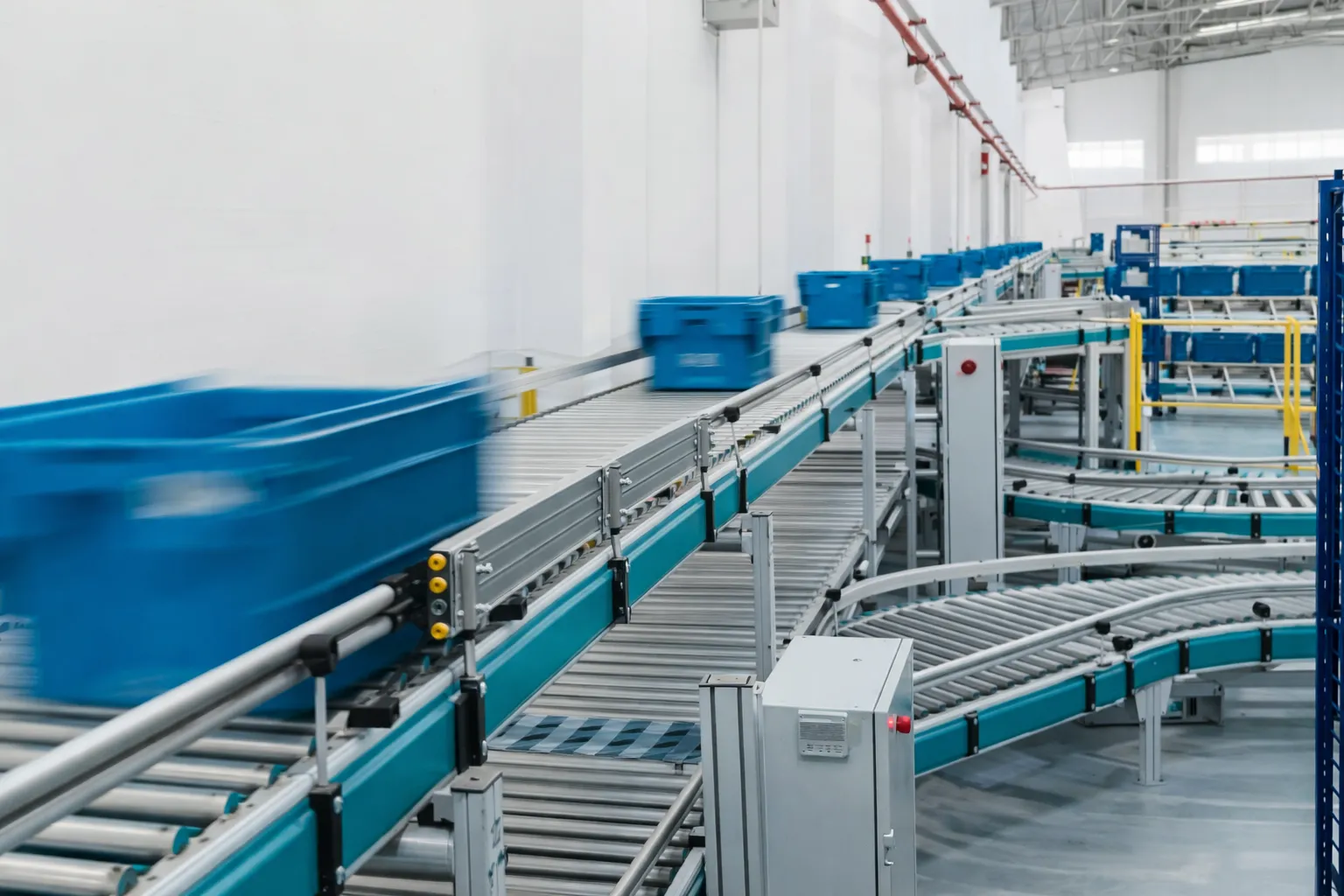
Ideal for long conveyor drum shafts where perfect alignment of plummer block housings is difficult to achieve.

Handles the bending of lightweight frames and shafts common in harvesters and tillers during field operation.
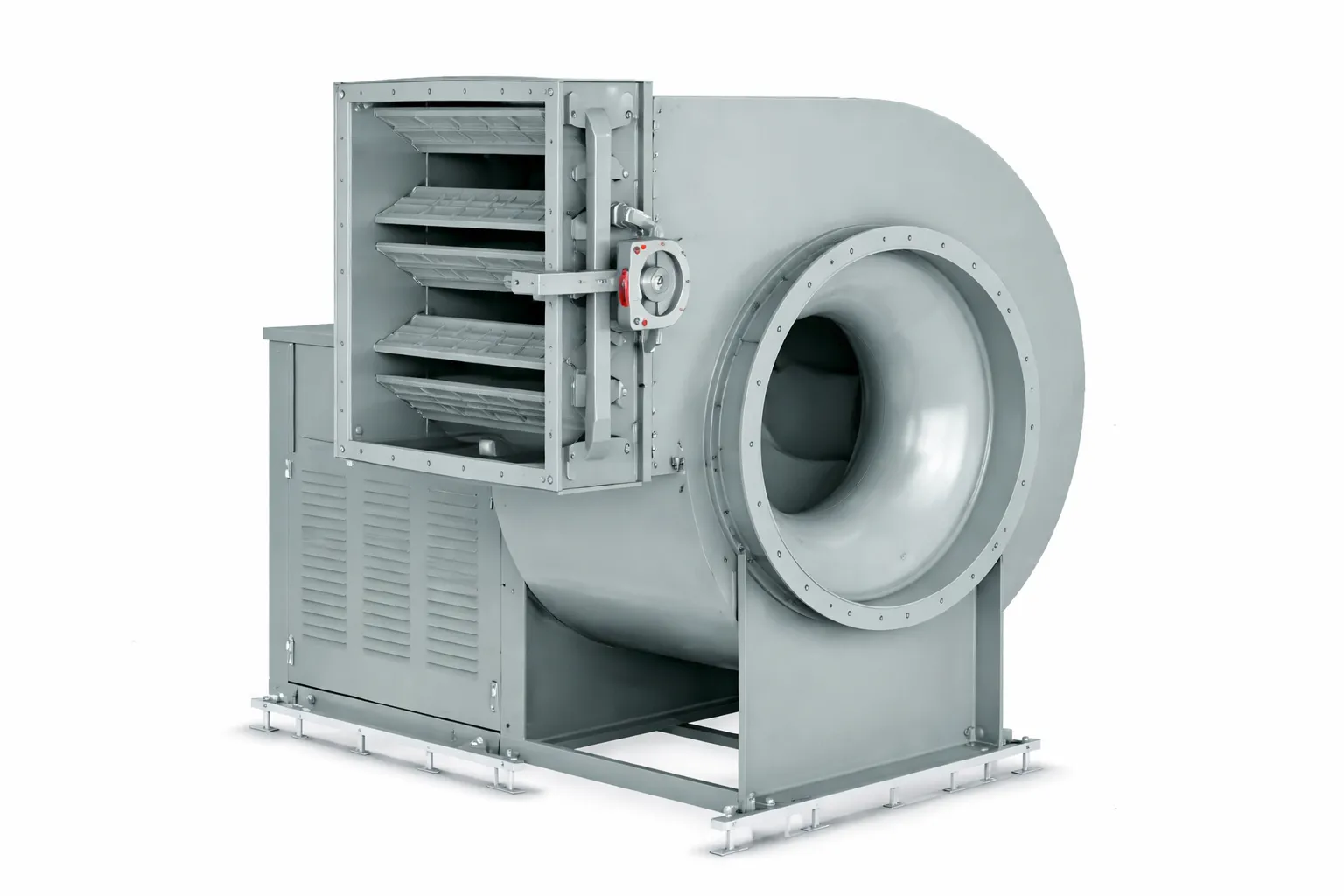
Low friction characteristics make them perfect for high-speed fan shafts, reducing heat generation and energy loss.
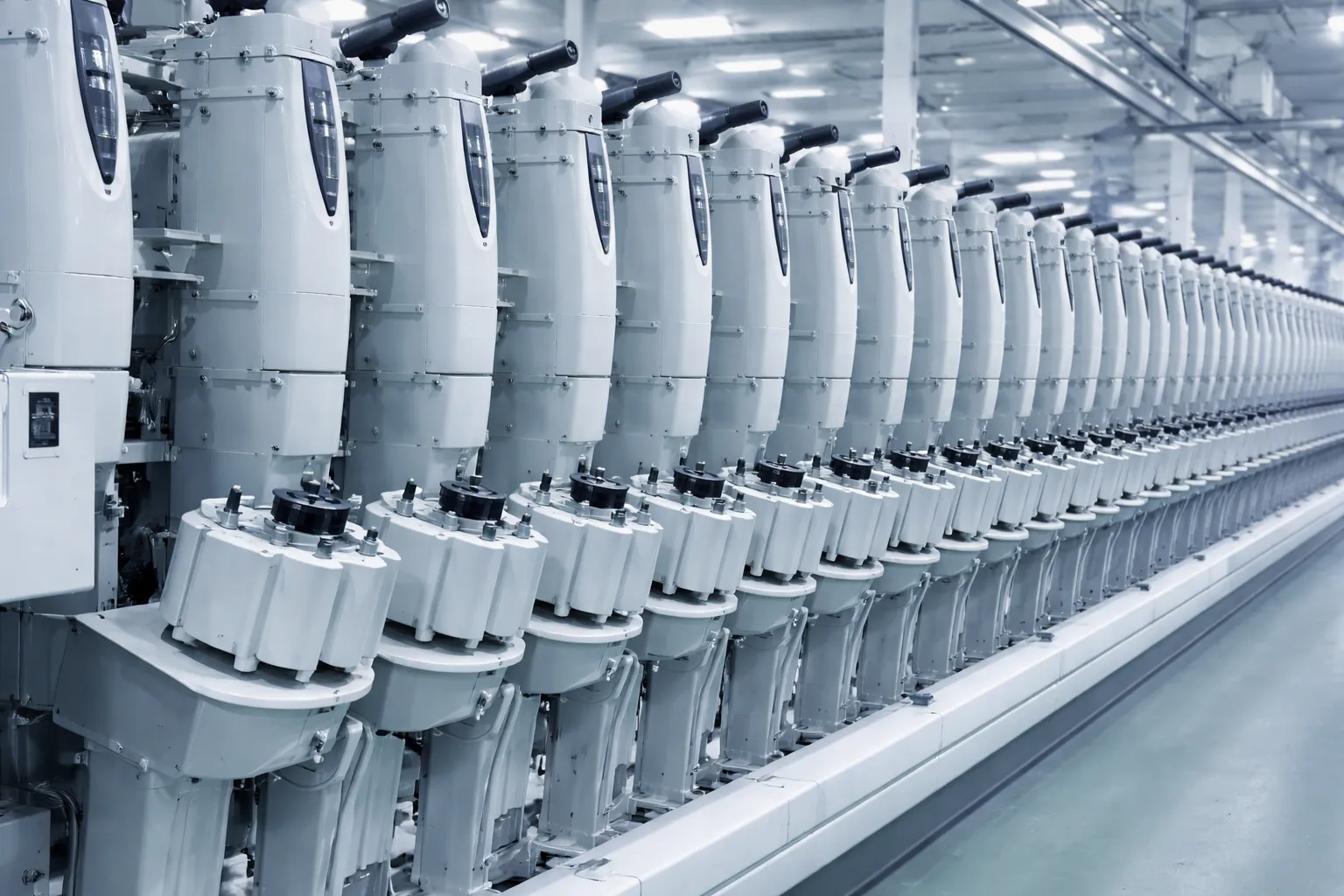
Provides smooth, low-vibration rotation essential for high-speed spinning and weaving equipment.
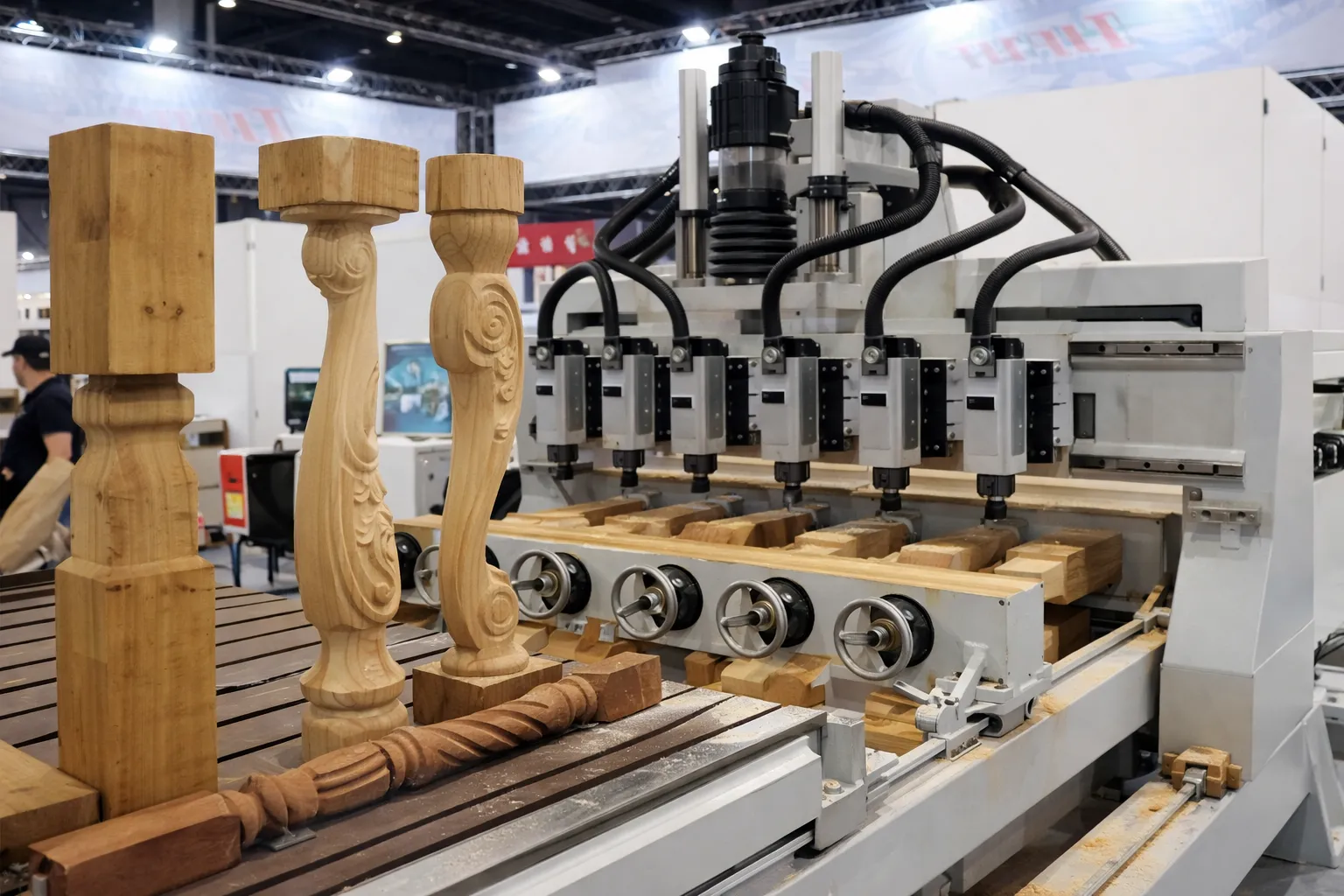
Maintains high rotational speeds accurately, ensuring precise cuts while absorbing frame vibrations.
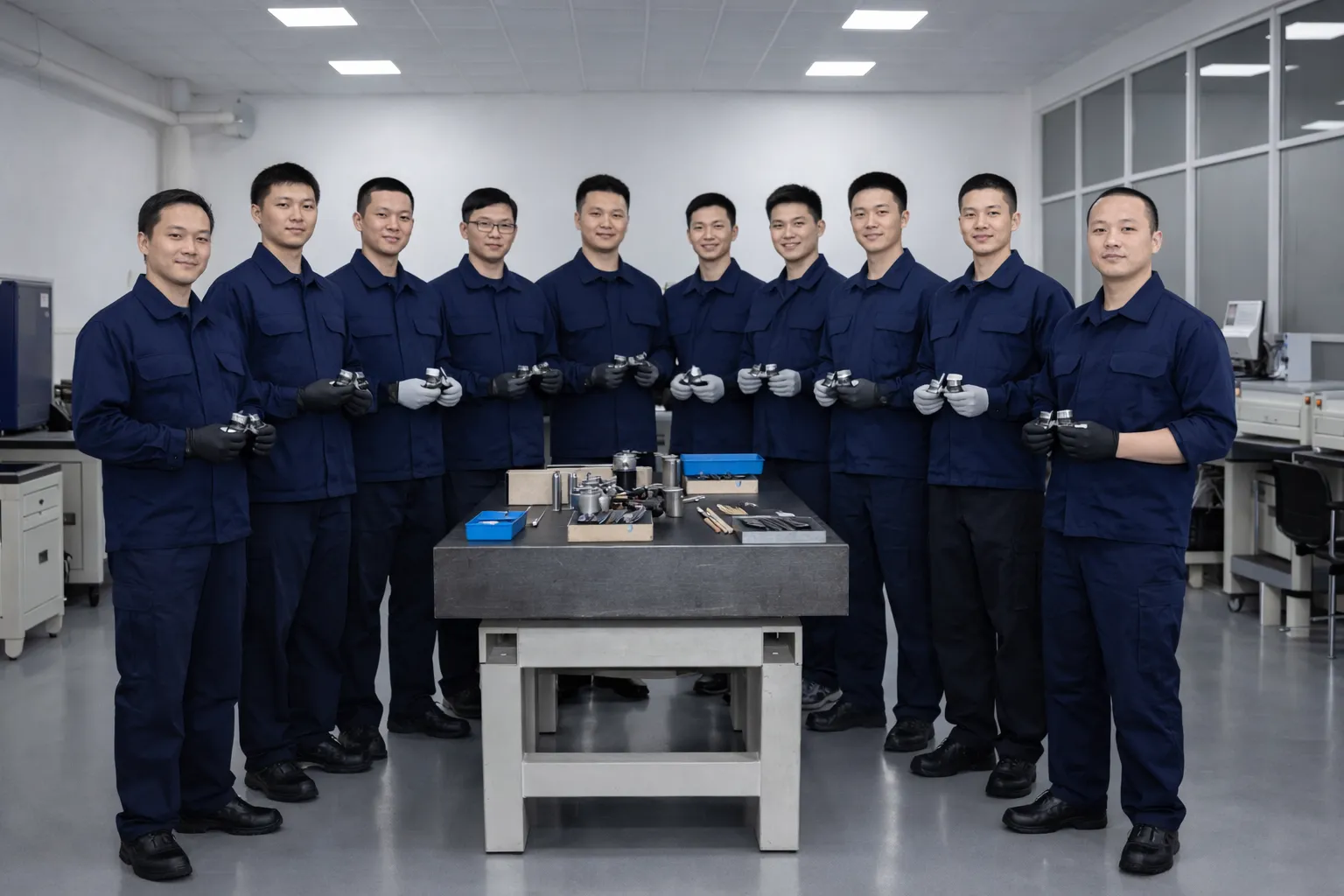
We are not just a supplier; we are a dedicated manufacturing partner. With large-scale production capacity and strict quality control, we empower global buyers with competitive and reliable bearing solutions.
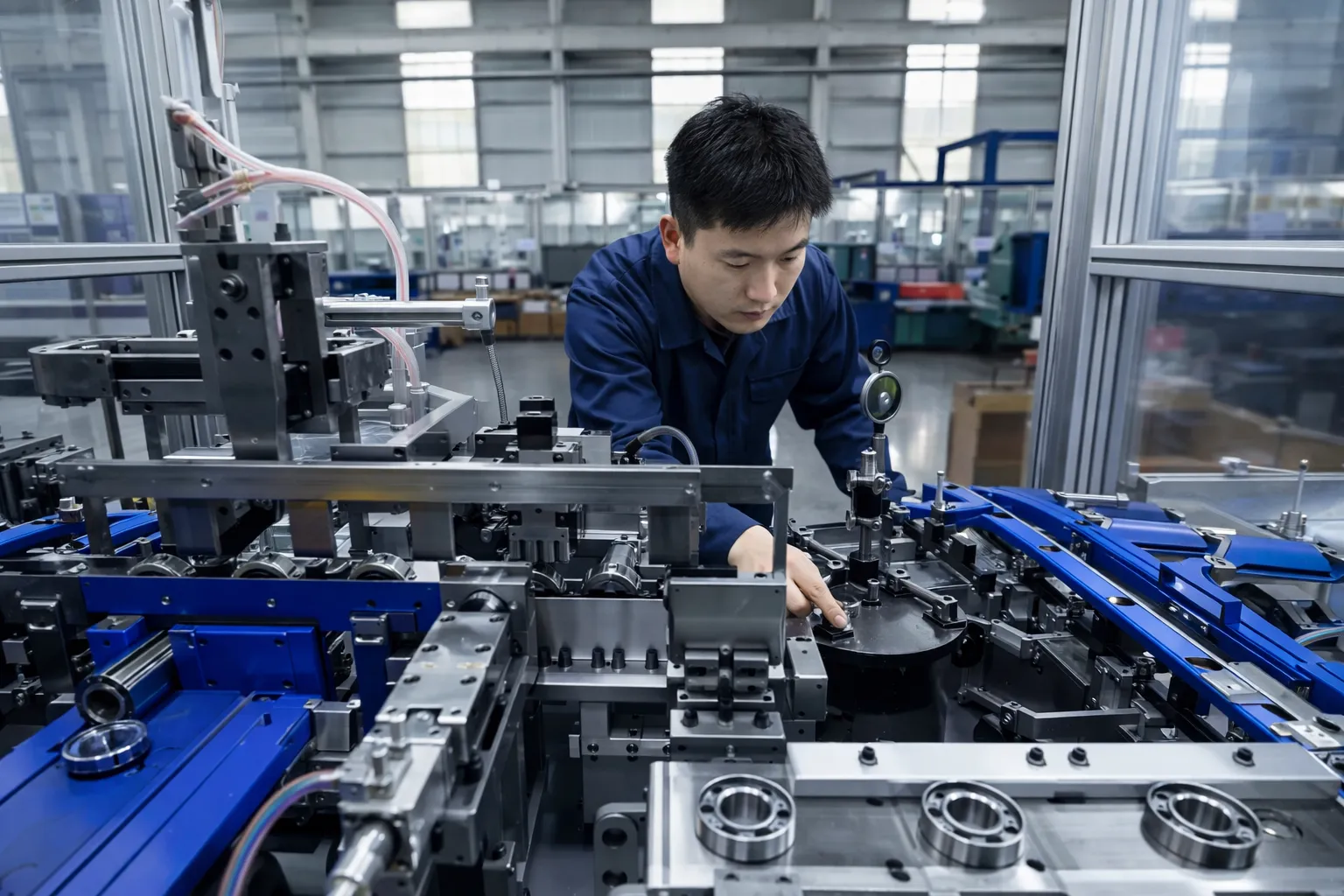
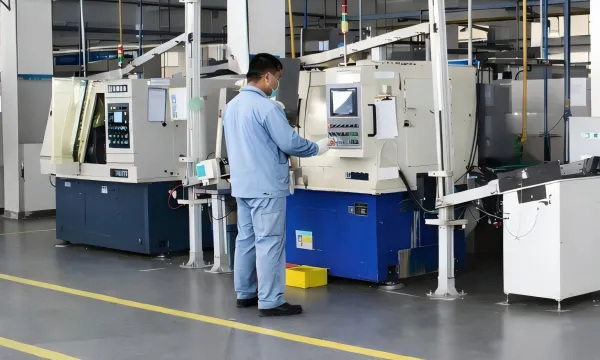
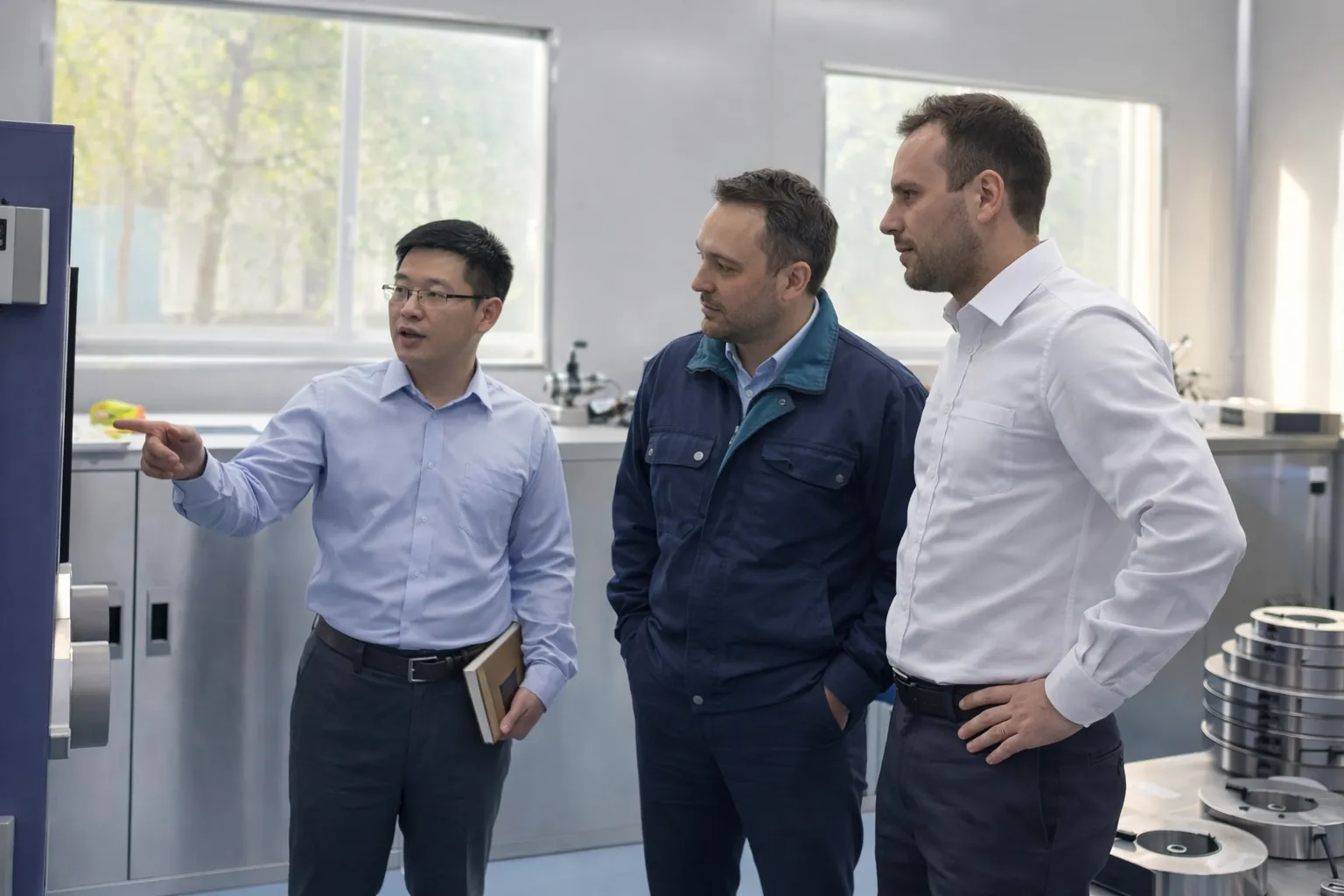
With 100 advanced production lines, we offer massive manufacturing capacity. This ensures stable lead times and highly competitive pricing for bulk orders and wholesale distributors.
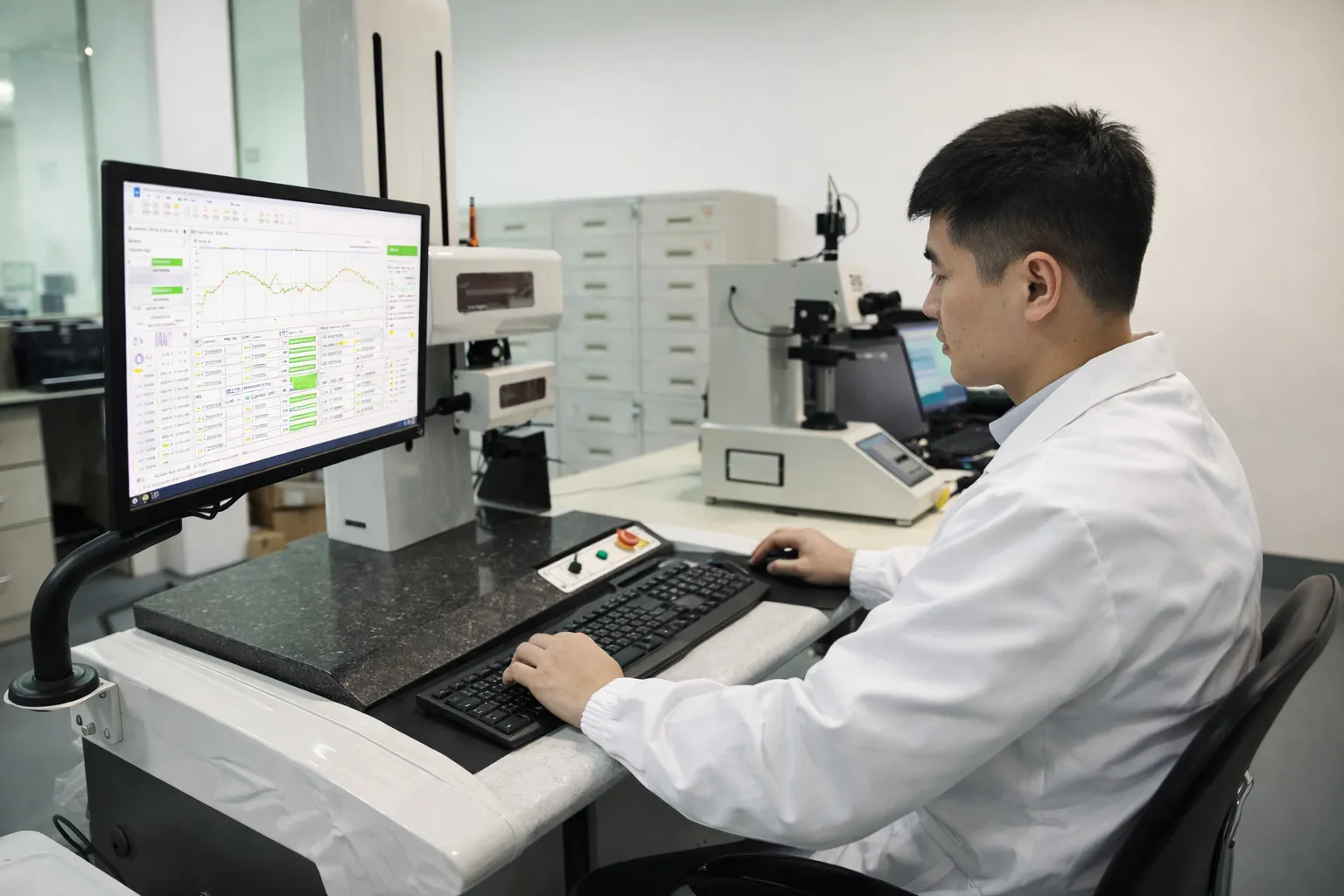
Our precision reaches P2 level. We implement rigorous, multi-stage inspection protocols from raw material steel selection to final dimensional and noise testing.
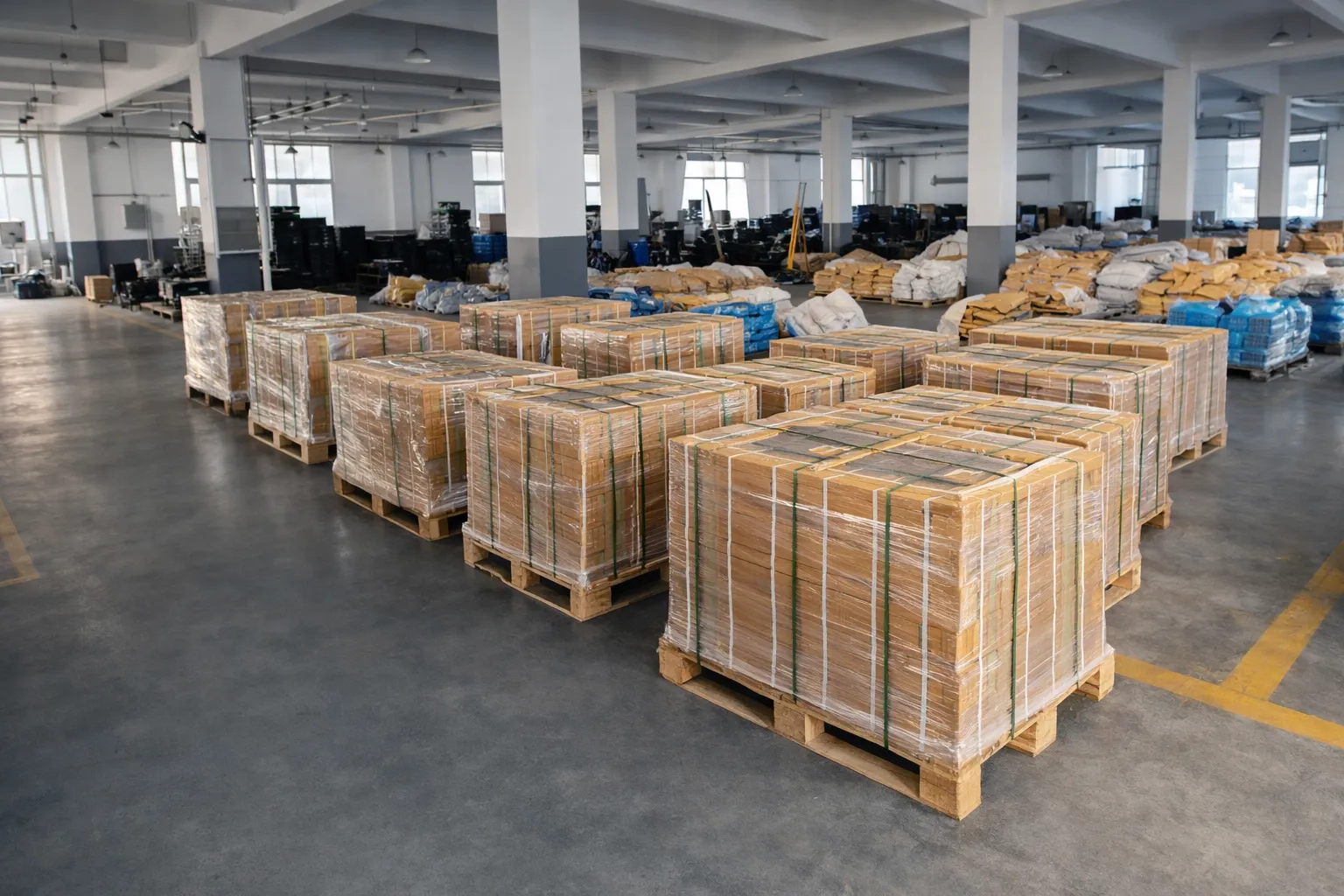
We understand international trade. From proper rust-proof packaging to efficient logistics and documentation, we ensure your bearings arrive safely and on time.
Our sales engineers provide rapid model selection, technical drawing reviews, and application-specific advice to ensure you get the exact bearing you need.
We specialize in providing tailored manufacturing services for OEM machinery builders and private label distributors. If standard self-aligning ball bearings don't meet your exact needs, our engineering team will produce them according to your drawings or samples.
Understanding when to specify a self-aligning ball bearing versus other common bearing types is critical for optimal machine design and cost-efficiency.
Alignment: Deep groove bearings can only tolerate very minute misalignment (a few minutes of arc). Self-aligning ball bearings can easily handle 1.5° to 3° of misalignment.
Speed & Friction: Both offer excellent high-speed capabilities and low friction, but self-aligning bearings maintain this low friction even when the shaft is deflected.
Best Use: Use self-aligning when shaft bending or housing alignment errors are expected. Use deep groove for rigid, perfectly aligned setups where higher axial loads are present.
Load Capacity: Spherical roller bearings carry significantly higher radial and axial loads due to line contact, whereas self-aligning ball bearings have point contact (lower load capacity).
Speed & Friction: Self-aligning ball bearings generate much less friction, allowing for considerably higher operating speeds and cooler running temperatures than spherical roller bearings.
Best Use: Use self-aligning ball bearings for high-speed, light-to-medium load applications with misalignment. Use spherical roller bearings for heavy-duty, slow-to-medium speed applications.
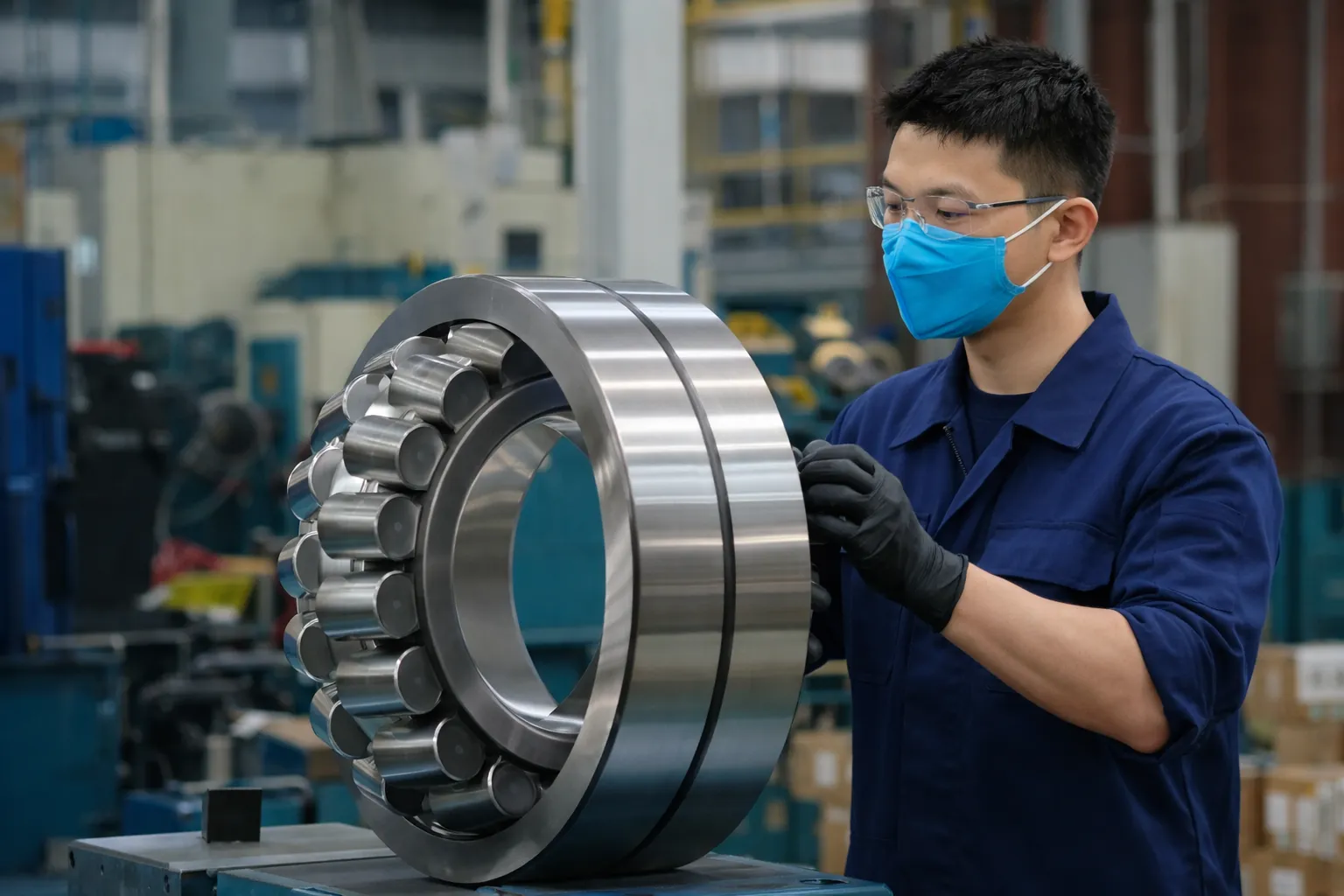
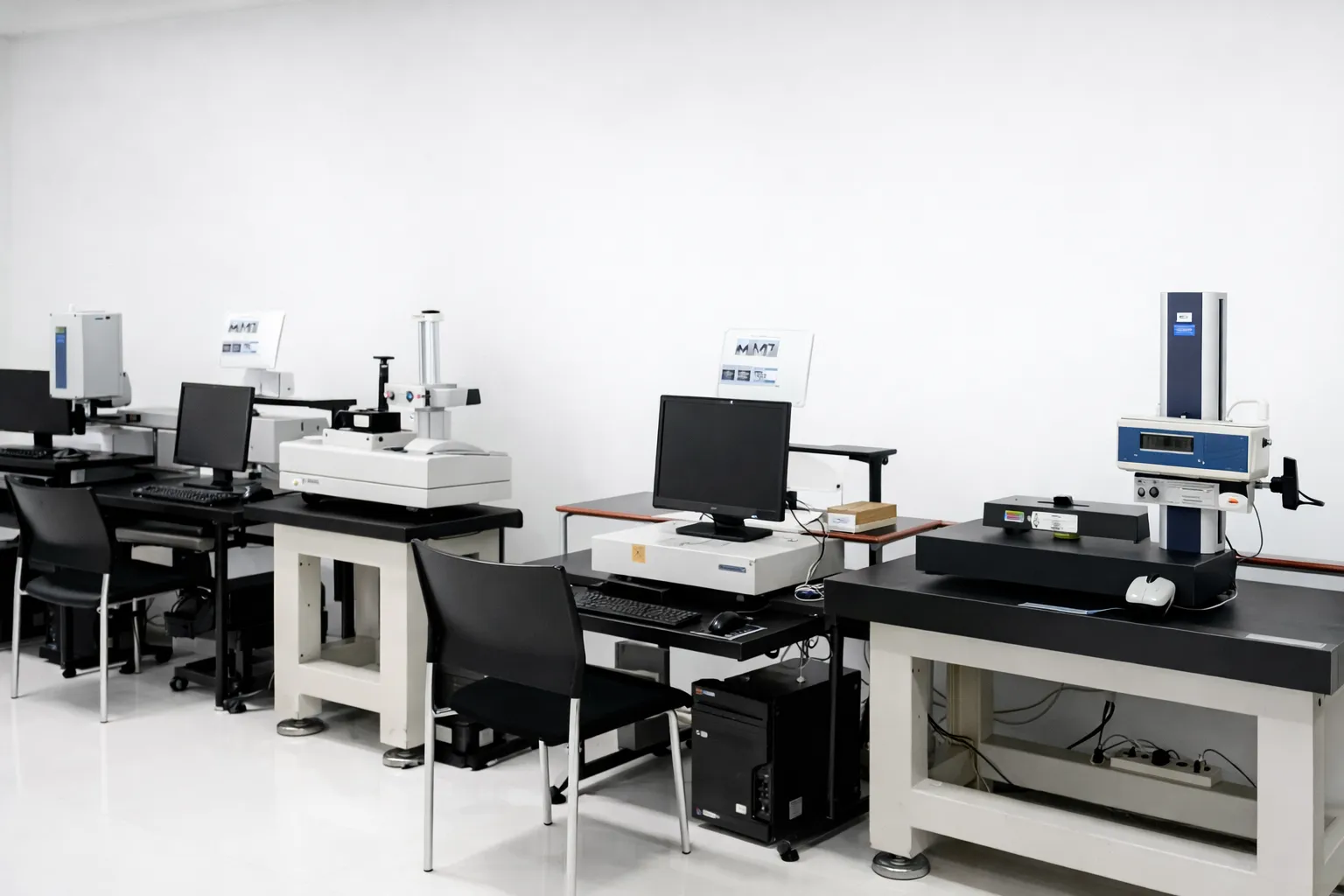
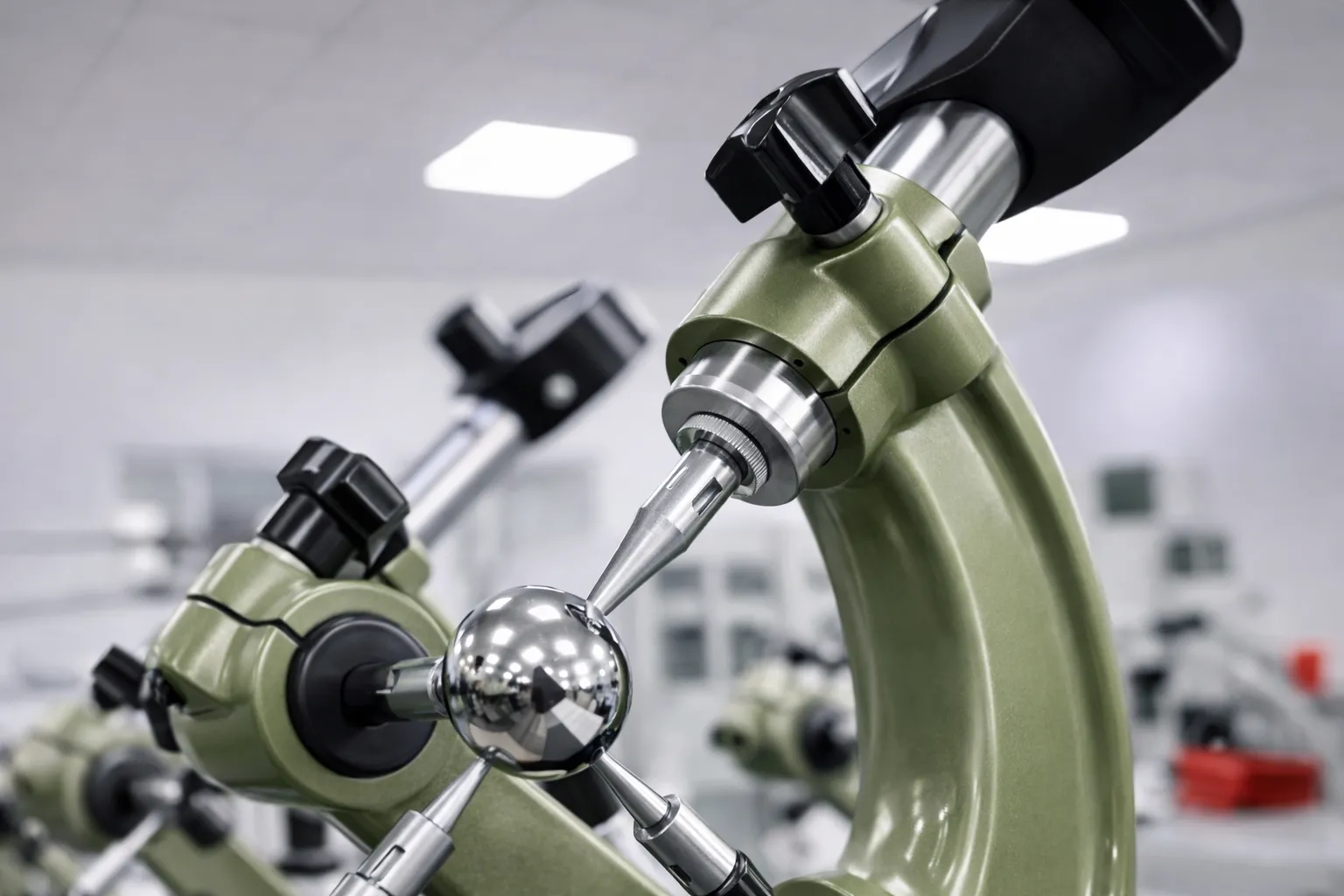
Reliable rotation starts with rigorous testing. Our quality control system covers every step of the manufacturing process to guarantee that every self-aligning ball bearing delivered meets industrial-grade standards.

Get complete access to our self-aligning ball bearing size charts, dynamic load ratings, and technical mounting guides. Need help with model selection? Send us your drawings.
Technical insights and sourcing information for B2B buyers.
They are primarily used in applications where shaft misalignment or deflection is expected. Common industries include agricultural machinery, conveyor systems, industrial fans, textile machinery, and general transmission equipment with long shafts.
They feature two rows of balls and a single, continuous spherical raceway on the outer ring. This design allows the inner ring and ball assembly to pivot freely within the outer ring, automatically compensating for angular misalignment without creating excess stress.
Yes, they can accommodate light axial loads in both directions in addition to radial loads. However, they are not designed for heavy axial loads due to their relatively small contact angle.
Absolutely. Because they have point contact between the balls and the raceway, they generate the lowest friction of any rolling bearing. This low friction makes them exceptionally well-suited for relatively higher speed applications with cool running temperatures.
While both compensate for misalignment, self-aligning ball bearings use balls (point contact) resulting in lower friction and suitability for higher speeds but lower load capacity. Spherical roller bearings use barrel-shaped rollers (line contact), making them suitable for heavy loads but at lower speeds.
Yes, as a manufacturer, we offer comprehensive OEM and ODM services. We can produce custom dimensions, utilize specialized materials, adjust internal clearances, and provide private labeling and custom packaging.
You can click any "Get a Quote" or "Request Catalog" button on this page to fill out our quick inquiry form. Alternatively, you can email us directly at Sam@Haronbearing.com or call +85257163675.